
One mood disorder that affects women during pregnancy is pregnancy anxiety, and in this post, we shall discuss how to calm anxiety while pregnant and the factors that may cause pregnancy anxiety.
I bet you were ecstatic when you noticed the second line on your pregnancy test a few months ago. But now, it seems e\\very bend and turn makes you nervous because you think something might be wrong.
You just can’t get rid of the feeling, and it’s starting to interfere with your daily activities. You could wonder, “Isn’t pregnancy meant to be a happy time?”
If you experience these feelings, know that you are not alone. Pregnancy anxiety affects more than one in ten pregnant women at some point, but it may get tricky if it permeates every aspect of your life. So what is pregnancy anxiety?
What Is Pregnancy Anxiety?

Anxiety is only one of the numerous emotions that pregnant women face during the period of pregnancy. During the period of Pregnancy, you will experience a roller-coaster emotion.
It is a period of transformation within you, and it is natural and anticipated to have a mild degree of new concerns and worries.
But, first, it would be helpful to gain more knowledge about how pregnancy anxiety manifests and how to calm anxiety while pregnant and how it can manifest during pregnancy if you are dealing with a lot of anxiety lately.
Antenatal anxiety is another name for pregnancy anxiety, and either one or both parents may experience it.
When concern and tension feelings appear suddenly, persist, and are challenging to manage, one is said to be experiencing pregnancy anxiety.
It can negatively affect your well-being if it is not managed. Note that anxiety during pregnancy is a medical issue and is not your fault.
What Causes Pregnancy Anxiety?

Even scientists don’t fully grasp the complex cause of pregnancy anxiety, as it has multiple reasons. It may be an inherited disorder since anxiety can run in families or be brought on by an underlying medical condition like diabetes, thyroid issues, or chronic pain.
Other possible causes include stress at home or work, a dread of childbirth (you may have heard a terrifying story about the delivery room), and pregnancy (like relationship problems or financial troubles).
Even the pregnancy could set it off, particularly if it wasn’t planned. Let’s analyze some of the most typical causes of pregnancy anxiety.
1. Concerns About The Unborn Child
One of the most prevalent worries that cause pregnancy anxiety is this. It would be normal to worry if your pregnancy isn’t progressing smoothly.
You may also worry that you have done something that could harm your unborn child’s health. I recall during my first trimester when I couldn’t eat well and was always vomiting.
I was so scared that it would harm my baby and always tried to hold down the vomiting, but I couldn’t.
An expecting mother might be concerned that her body won’t be able to take the pregnancy to term if she previously miscarried, gave birth early, or had fertility issues.
Additionally, expecting moms may become more anxious while awaiting the outcomes of prenatal medical testing.
Finding the cause of your anxieties will aid in lowering the feelings of stress and pressure. It’s also critical to remember that most pregnancies result in the delivery of a healthy child.
If you are experiencing these feelings and you wonder how to calm anxiety while pregnant, you should use relaxation techniques or engage in stress-relieving hobbies to lessen worry.
Concentrating your energy on the things you can influence and letting go of the rest is crucial.
2. Concerns That You Won’t Get Your Pre-baby Body Back
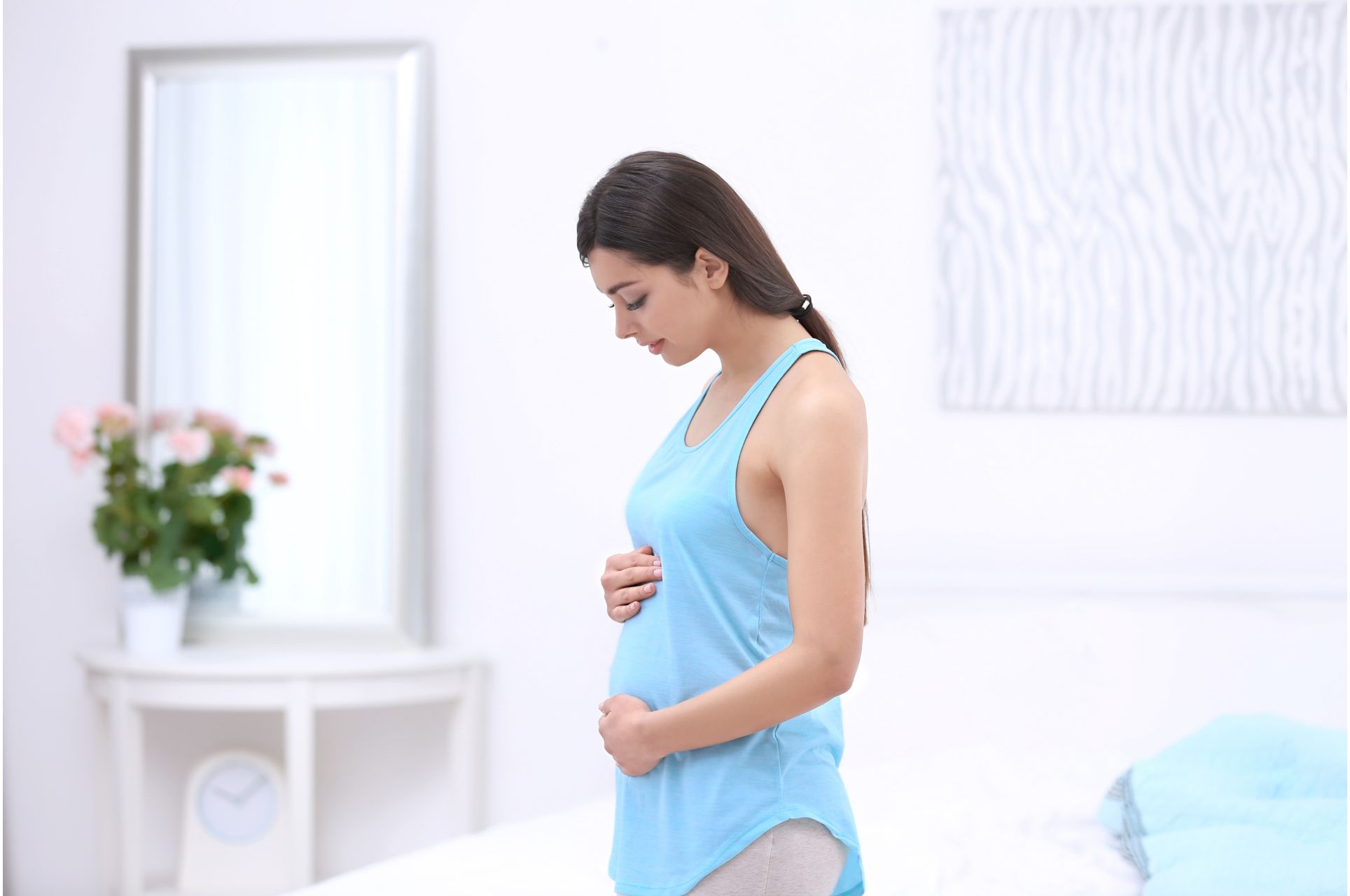
Some women could be self-conscious about their appearance. They are concerned that they will lose their pre-pregnancy physique, put on too much weight, or won’t be as attractive as before.
Most of us experience these feelings. Before having a baby, I told myself that I decided that I didn’t want to have a belly bump after birth.
With research and asking questions, I got to understand the trick of having not gaining too much weight during pregnancy. You may want to check out this post here.
Pregnancy is essentially a physical experience, and for some women, the anxiety of losing control over all these rapid physiological changes is quite distressing.
Be gentle and recognize that your body will require time to recuperate. Exercise and a healthy diet can be helpful.
3. Concerns About Giving Birth
As their due date gets closer, all pregnant women experience some anxiety. About 20 percent of women admit they’re afraid of giving birth, and 6 to 10 percent have a phobia of childbirth.
During the first pregnancy, the fear of the unknown and losing control often makes women anxious. Some would even choose to have a cesarean section because they feel it would give them more control over the birth.
For a second pregnancy, fear sometimes stems from a bad experience the first time they gave birth. However, even if everything went perfectly the first time, some unknown elements might concern some women during a second or third delivery.
Women terrified of giving birth typically worry that they won’t be able to cope with the agony of labor. In addition, they worry about letting their emotions get out of control.
Fear can also be heightened by traumatic birth tales people have heard from friends or family members and by dramatic television stories you may have watched.
How to calm anxiety while pregnant is first to learn about the delivery process early on by reading good pregnancy books.
Also, get answers to your questions by speaking with your doctor or midwife. When you have appointments, It’s an excellent chance to share your concerns.
Prenatal classes are another valuable resource for information. You can also lessen the dread of childbirth by engaging in visualization exercises and speaking with women who have had pleasant experiences.
For women afraid of labor, know that there is no right or wrong way to accomplish it. There are other methods, like having an epidural or water bath, that you can try out.
Please talk with your Doctor or midwife about other options for delivery.
4. The Worry That You won’t Be A Good Mother

Many parents are concerned that they won’t be able to provide for or love their children adequately; it is completely normal.
However, find solace in knowing that the parent-child relationship will eventually mature as you spend time with your children.
Additionally, during the nine months of pregnancy, the mother and child have already formed a unique bond so it will be like working with someone you already knew.
What Are Risks Factors For Anxiety During Pregnancy?
Almost anybody can experience anxiety when pregnant. However, if you meet a few conditions, you’re more likely to experience a severe anxiety disorder, so you should be aware of your emotions during pregnancy.
These conditions include:
1. Anxiety during a prior pregnancy
2. A history of anxiety disorders
3. Previous miscarriages or difficulties conceiving
4. Complications during pregnancy
5. Age (younger pregnant women can be more likely to have anxiety than older pregnant women)
Each of these elements may increase the likelihood of anxiety during pregnancy.
Pregnancy Anxiety Symptoms

You may ask, what are some pregnancy anxiety symptoms? The symptoms of pregnancy anxiety differ as there are several forms of anxiety disorders. The following are some typical signs of anxiety disorders:
1. Frequently feeling tense, apprehensive, or on edge
2. An overwhelming feeling of anxiety
3. Excessive worry, especially about your health or your unborn child
4. Finding it challenging or impossible to unwind
5. Having trouble staying still and feeling restless
6. Being angry and irritable
7. Being scared or anticipating adverse outcomes
8. Lack of concentration
9. Trouble sleeping
Symptoms of prenatal anxiety that can also manifest physically and these physical manifestations include:
1. Rapid breathing and a racing heartbeat
2. Dizziness
3. Dizziness or a fainting feeling
4. Breathlessness
5. Excessive perspiration
6. Muscle trembling, soreness, or tension
7. Feeling numb.
You might be going through a panic attack if these symptoms appear suddenly and intensely. Whether pregnant or not, people with anxiety have the same symptoms and manic episodes.
However, when you are expecting a baby, your worries about the baby’s health might significantly worsen the impact of your anxiety attack.
Your health and the health of your unborn child may be at risk from that amount of anxiety and its physical implications.
Discuss any symptoms you feel should be with your doctor so they can properly diagnose and treat you.
What Are The Best Treatments For Panic Attacks In A Pregnant Woman?

There are so many treatments for people with anxiety out there, but what are some of the best treatments for a pregnant woman?
1. Cognitive and Behavioral Therapy:
A mix of cognitive and behavioral therapy are great ways to help with anxiety during pregnancy. Cognitive therapy can assist individuals in replacing negative or terrifying thoughts with realistic, uplifting ones.
Additionally, behavioral therapy, like mindfulness training, may be beneficial.
Instead of worrying about the future or about the past, mindfulness encourages you to concentrate on what is happening right now in the present, and it may assist in lowering pregnancy stress.
2. Avoid Triggering Conditions:
Women should avoid conditions that could cause a panic attack, such as drinking coffee or entering a hot environment.
3. Practice Breathing Exercises:
If you are wondering what to do when having a panic attack while pregnant, start with deep breathing exercises.
Take about three deep breaths, pause, and start again. You can also try out other relaxation methods, like saying some of these positive pregnancy affirmations that I have culled out to make you feel better.
4. Use Relaxation Techniques:
The application of relaxation techniques can alleviate the stress caused by anxiety and panic throughout the body. Using these tactics, you can learn to feel calmer even when experiencing anxiety.
Some well-liked relaxation methods are progressive muscle relaxation, deep breathing, and guided imagery (PMR). Do not forget to call your doctor and head to the hospital if it seems out of control.
5. Take Any Updated Prescription:
You might require medications since pregnant women who experience panic attacks are more likely to battle them after giving birth.
6. Get Psychoeducation:
Another important tip on how to calm anxiety while pregnant is psychotherapy. During a psychotherapy session, you’ll discuss your symptoms, medical background, and current stressors with your Doctor.
You will better understand your symptoms and learn coping mechanisms for your condition via the course of therapy. Psychoeducation is another tool your therapist may use to help you understand your symptoms.
The information and support you receive in therapy can help lower your concerns associated with your symptoms and give you a sense of control over your panic attacks while pregnant.
One of the most popular types of psychotherapy is cognitive-behavioral therapy (CBT). CBT aims to change unhealthy perceptions and behaviors based on negative ideas and behaviors.
For instance, you might think things that make you anxious, like “Will my anxiety impact my pregnancy?” or “Does having a panic attack bother the baby?”
These ideas could exacerbate feelings of fear, anxiety, and panic. However, you can learn to recognize these thought patterns through CBT and replace them with more uplifting and anxiety-reducing ones.
How To Treat Severe Anxiety While Pregnant

If you suffer one or more of the following symptoms, seek medical attention right away:
1. Anxiety that interferes with daily activities, functioning, or overall wellbeing
2. Having trouble focusing and being agitated or on edge
3. Particular phobias or fears, such as the fear of childbirth
4. An overwhelming sense of worry
5. Recurring migraines, nausea, or both
6. Difficulty sleeping
If you have a history of anxiety, depression, or another mental illness, even if you don’t have any symptoms, kindly visit the doctor to know your options and for preventive measures.
How To Calm Anxiety While Pregnant – 10 Ways
There are various ways how to calm pregnancy anxiety available and in this section, we’ll be addressing 10 ways to handle them.
1. Medications

In severe cases like recent panic attacks, your doctor may advise taking medication for pregnancy anxiety.
While hazards are associated with all medications, doctors will generally choose to use the lowest effective dose of the safest medicine.
There are some drugs that doctors prescribe for the treatment of depression and anxiety. During pregnancy, medical providers may recommend antidepressants such as:
Sertraline (Zoloft) is not linked to congenital impairments. The risk of these disorders is still exceedingly minimal, even discovered that paroxetine (Paxil) and fluoxetine (Prozac) have some connections with some congenital abnormalities.
Serotonin And Norepinephrine Reuptake Inhibitors (SNRIs): SNRIs are another risk-free treatment option for anxious pregnant women. Examples of these classes of drugs include venlafaxine and duloxetine (Cymbalta) (Effexor XR).
If ineffective, doctors may prescribe alternative medicines. Before taking medications, people can speak with a doctor about the dangers of each.
Doctors occasionally prescribe benzodiazepines to alleviate extreme anxiety.
While some researchers suggest a connection between the use of anxiety medications and congenital disabilities such as premature birth and low birth weight, there is also a risk of untreated mental health disorders.
Complications during delivery, preterm birth, and miscarriage may result from untreated prenatal anxiety.
2. Coping Mechanisms

This is another important tool on how to calm anxiety while pregnant. It involves trying to control the anxiety symptoms in a variety of ways.
For example, they can enlist the aid of a medical expert, like a therapist or psychologist, or people can make other changes to their lifestyles on their own, using pregnancy affirmations.
3. Maintain A Support Network
It is another important tip on How to calm anxiety while pregnant. You can deal with your worries and doubts about panic, anxiety, and pregnancy by turning to your loved ones.
Inform close friends and family members of your fears and ask them to keep a close eye on you in case of any emergencies.
Even if you don’t need aid, just knowing that your loved ones are there for you in case you do might help ease your tension.
4. Self-care

Additionally, self-care is a useful tip to calm pregnancy anxiety while pregnant. Some self-care hints are listed below:
1. Eliminate sources of stress:
One strategy is to attempt daily scheduling tasks on an hourly basis. This helps a stressful day feel more manageable and, according to studies, may assist with the symptoms of anxiety and sadness.
2. Eat healthily:
Make an effort to consume a balanced diet. Limiting one’s consumption of sugar and caffeine, which can exacerbate anxiety, may also be a good idea.
In addition, regular exercise can help to alleviate stress, according to research by trusted Sources.
5. Get Enough Rest
Trust me; this helps a lot to calm anxiety while pregnant. When you feel fatigued, you tend to be anxious so try to stick to a regular bedtime and wake-up timings.
To reduce anxiety before bed, use relaxation methods like guided breathing. It is a useful guide on how to calm anxiety at night while pregnant.
6. Practice Grounding Exercises As Relaxation Techniques
These are also very useful ways how to calm anxiety while pregnant.
The application of relaxation techniques can alleviate the stress caused by anxiety and panic throughout the body. Using these tactics, you can learn to feel calmer even when experiencing anxiety.
Some well-liked relaxation methods are progressive muscle relaxation, deep breathing, and guided imagery (PMR). Do not forget to call your doctor and head to the hospital if it seems out of control.
7. Engage In Activities

Try incorporating pleasurable things into your day, such as asking a friend over for lunch, calling a distant friend, reading a book, etc.
8. Start A Journal
Writing can help people feel less anxious and reveal their anxieties and anxiety triggers. Additionally, taking the notebook to treatment can be beneficial.
9. Self-Empowerment
Self-empowerment is a great tool to calm anxiety while pregnant because the power behind having the strength to overcome pregnancy anxiety starts from the mind.
Self-empowerment helps people to understand more about the subject and may lessen symptoms. These are just general recommendations, even though they might be helpful to some people.
Before beginning the process, people who think they may have anxiety should consult a doctor and get advice on self-care techniques; from there, they can proceed to Self-empowerment.
10. Plan Your Postpartum Period

You may have heard of postpartum depression, a term used to characterize the symptoms of postpartum depression that some women suffer, such as thoughts of hopelessness and unworthiness.
Similarly, women with anxiety problems are more likely to have heightened anxiety after giving birth. For new mothers, experiencing stress, dread, and loneliness is normal.
Fortunately, with some planning, you may avoid increased anxiety and panic symptoms. Even though most women have a busy postpartum period, you must follow up with your doctor and therapist on your panic disorder.
Maintain your focus on the objectives of your treatment plan, such as controlling anxiety, preventing panic episodes, and overcoming loneliness. A postpartum plan might assist you in maintaining your progress on the road to recovery.
Is It Common To Panic During Pregnancy?
You may ask, is it common to panic during pregnancy? Know that it is very natural to have some worry and panic while pregnant.
Antenatal anxiety is another name for prenatal anxiety. Both parents can be impacted by antenatal anxiety, which is frequent.
The dread of giving birth, the fear of being a good mother, the concern that your child won’t have any defects, and many other anxieties could be the cause of your anxiety.
But if your anxiety is making you miserable or making it difficult for you to function, you should get help. You might be struggling with anxiety.
Five to fifteen percent of pregnant women suffer from anxiety disorders. Do not put off seeing a doctor until you are in great pain. Early intervention reduces the likelihood of complications and makes it simpler to find a speedy solution.
Can My Baby Feel My Anxiety?

If you are always anxious during pregnancy, you may want to know if your baby feels the anxiety. The truth is, your baby does.
Your baby can tell when you’re stressed. Your response to stress affects how your baby will manage it as well.
When you’re feeling worried and agitated, keeping your cool will help keep your child quiet, which will help you feel less overwhelmed.
What To Do When Having A Panic Attack While Pregnant?
If you experience panic attacks and you are pregnant, you may be wondering what to do when having a panic attack while pregnant. Well, here are some things you can do.
1. Inhale deeply. You can lessen your symptoms of panic and anxiety by taking slow, deep breaths. When you breathe in, count slowly to three.
Do the same when you breathe out. Breathing into your belly rather than your chest will cause your stomach to move with each breath, which may also be helpful.
2. If you can, try to think of something else. Try to give one thing all of your attention, even if it’s challenging. Consider watching the minute hand on a clock or listening to some calming music as examples of ways to relax.
3. Consider visualizing. Imagine yourself with your loved ones in a peaceful, lovely, and serene location.
4. Don’t fight it. If you practice this before an attack, you might find it more manageable. You might feel even more powerless as a result of this.
Instead, make an effort to realize that you’re not in danger and that the attack will end shortly. Say to yourself, “I’ll be OK. Until the emotions pass, everything is fine.
5. A balanced diet and regular exercise could prevent panic episodes in the long run. Avoid stimulants should. Caffeine, alcohol, and smoking can all exacerbate the issue in addition to being harmful to the unborn child.
6. Avoid smoking or consuming alcohol. During pregnancy, you shouldn’t smoke or consume any alcohol at all. You can seek help and get support if you’re having problems stopping.
7. Speak with your doctor or midwife if you experience a panic attack. If you experience panic attacks frequently, cognitive behavioral therapy (CBT) may be helpful for you.
CBT is a psychological therapy demonstrated to help lessen or even stop panic attacks. Your doctor may also prescribe suitable drugs to help cope with the anxiety. These are ways to help with anxiety during pregnancy.
Can Having A Panic Attack While Pregnant Hurt The Baby?

You may ask: Can a panic attack while pregnant hurt my baby? It can, and because panic attacks can affect the fetus, panic attacks during pregnancy it is a cause for concern.
The blood flow to the fetus is decreased when their moms are anxious, which can result in low birth weight and early delivery.
Major panic episodes can also impact a mother’s capacity to cope during the postpartum period and her relationship with her child.
Additionally, long-term high-stress levels brought on by panic attacks may result in heart disease and high blood pressure.
Finally, stress during pregnancy can raise the likelihood of having a premature baby (born before 37 weeks of pregnancy) or a baby that is underweight at delivery (weighing less than 5 pounds, 8 ounces).
While it is understandable to worry about how stress or anxiety would harm your unborn child, doing so might lead to a vicious cycle of negative thinking.
Having pressure during pregnancy can make you worry that it’s damaging your unborn child, making you even more concerned.
It is unlikely that your anxiety will impact your child, especially if you receive the proper care and support.
So try to concentrate on getting assistance and figuring out how to control your symptoms. Be assured that you are doing everything possible to care for your infant.
Can Having A Panic Attack Cause Miscarriage?
You may wonder if panic attacks cause miscarriages. Though too much stress is bad for your general health, there is no proof that panic attacks cause miscarriage.
There is usually nothing you can do to stop a miscarriage. To reduce your risk of miscarriage, you should manage chronic illnesses, such as diabetes or high blood pressure, and abstain from risky habits like smoking and abusing illicit drugs.
Conclusion
Discuss stress management strategies with your healthcare provider if you’re under much stress. Dealing with pregnancy anxiety isn’t what any woman wishes for, but it does happen.
If you experience these feelings, take it easy on yourself and try to follow the tips explained here to help you overcome them. Good luck!!!
Don’t forget to share this to expectant moms!
