

I bet that at one time or the other, you may have had to throw out pumped breast milk because you didn’t know how to store breast milk properly; I have been there.
When I first started using the breast pump, I had some trouble adjusting and using it.
At first, it felt so foreign to pump milk from a machine, and after pumping the stress of pumping, I would throw out the milk after three days in the fridge at most.
It felt like a wasted effort, doing all the work of pumping, sterilizing bottles and all. Talking to other mothers and a lactation specialist, I learned how to effectively store breast milk for months.
In this post, I am going to guide you through everything you need to know about the essential guides to storing breast milk.
This post outlines in detail the breast milk storage guidelines and everything you need to know about it.
This includes how long breast milk lasts at room temperature, breast milk storage guidelines, how long does breast milk last in the fridge, how to store breast milk in the fridge.
It also covers how long does breast milk last in a bottle, how to store breast milk in the refrigerator, how to warm breast milk from the fridge and other essential tips on breast milk storage guidelines.
How To Warm Breast Milk From Fridge
You may not necessarily have to warm breast milk, as breast milk can be taken cold or after it has been completely thawed. But not every baby likes to take it cold.
Suppose your child prefers warm milk; you can warm the milk by letting it completely defrost. Next, run the milk bottle over hot or warm running water or a container with hot or warm water.
Test a few drops on your skin after warming before feeding your baby to ensure that it is not too hot. Do not warm breast milk with a microwave.
What Kind Of Container Should You Use To Store Expressed Breast Milk?

Use a food-grade container that is specifically designed for storing breast milk. If you are using bottles, they should have a big lid, and if you are using plastics, they should be hard plastics.
Take note, do not use plastics with code number 7. These are recycled containers and may contain BPA, which is harmful and may seep into the breast milk.
Do not also pick any container from the kitchen, and do not use disposable containers. Instead, get a container that is solely designed for storing breast milk and exclusively meant for the baby’s use.
Can Freshly Expressed Milk Be Added To Already Stored Milk?
When it comes to storing breast milk, this is a common question people ask. And the answer is yes you can add freshly expressed milk to already stored milk.
However, you should ensure that the frozen milk is completely thawed before adding the freshly expressed breast milk.
But, it is preferable to store freshly pumped breast milk on its own bottle/plastic and label it because the longer breast milk stays, it affects its quality and nutrients.
How Long Does Expressed Breast Milk Keep?
At room temperature, freshly expressed milk can stay for 2-4 hours in an insulated container with ice packs; the milk can be kept for 24 hours. In the refrigerator, expressed breast milk can keep 3-4 days.
When taking note of how to store breastmilk, you should know that this is how long breast milk lasts in the fridge.
Breast milk stored in the fridge is best used three days after storage. In a freezer, freshly pumped milk can keep for a year, but it is best used within six months.
How Do I Know If My Breast Milk Is Bad?
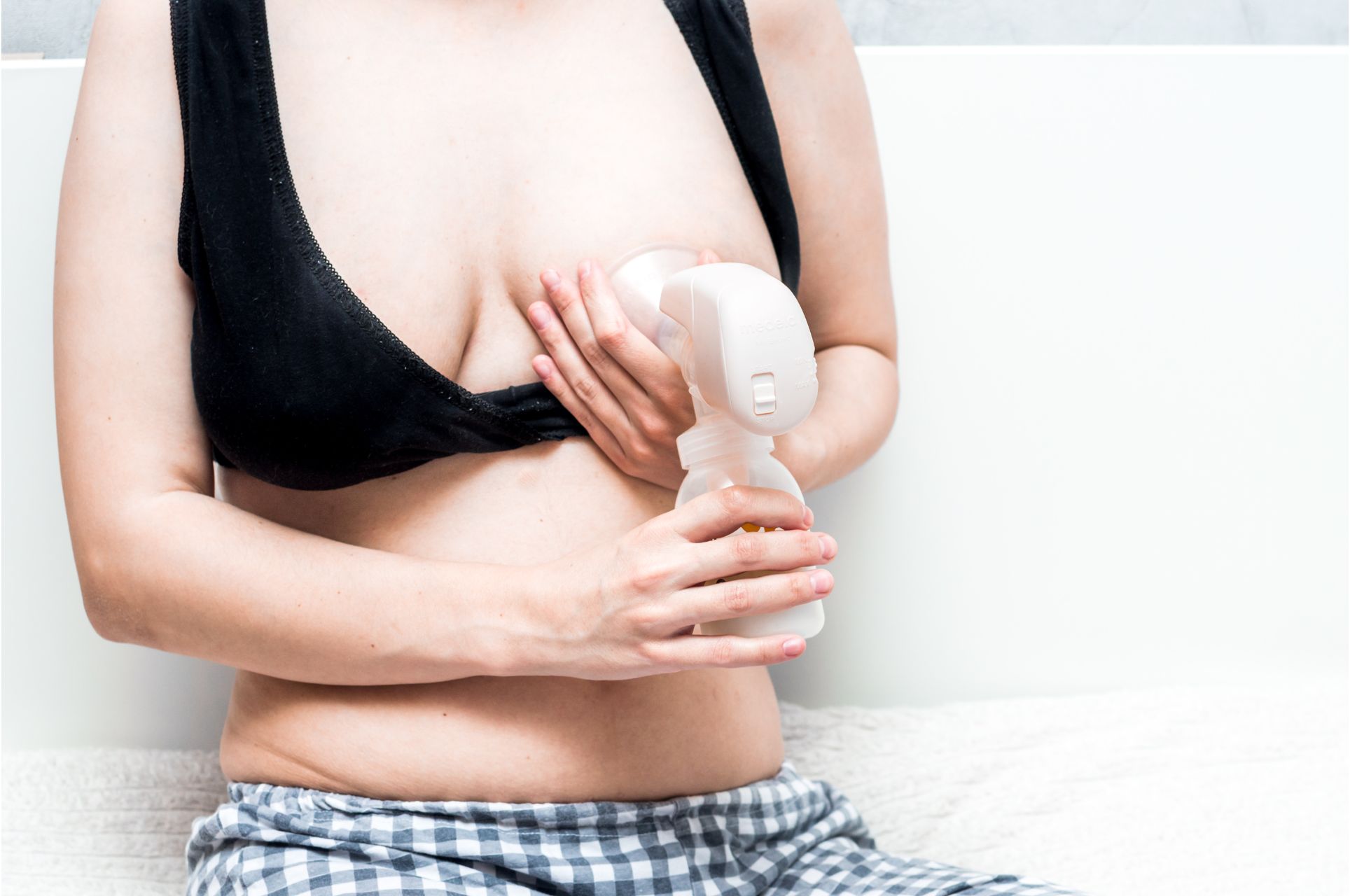
When learning the basics of how to store breastmilk, you need to be able to tell if the breast milk has gone bad for the safety of your baby.
Usually, you will perceive an odor, either fishy, soapy, sour, or rancid, unlike when freshly pumped. It will also taste off. Another sign may be that the baby will refuse the take the bottle.
If you are having issues with spoilt stored milk regularly, you should check the following:
1. Your Pump Parts: Ensure you handle them with care. Wash your hands before pumping and wash breast milk storage utensils thoroughly so that bacteria do not breed and cause spoilage.
2. Your diet: consider what you eat as some foods may be the determinant factor to spoilage.
3. Lipase action in milk: Lipase plays a huge role in milk spoilage. Lipase can break down fat which causes a change in aroma (fishy or soapy smell) and taste. If lipase becomes too excessive in milk, it can cause a problem.
4. The refrigerator where the milk is usually stored.
It may impact the lifespan of the milk and how well it will last. If spoilt food is around the milk in the fridge or freezer, it may cause spoilage in the stored breast milk.
How To Store Breast Milk In The Fridge

When finding out how to store breast milk in the fridge, these are some things you should take note of.
It would be best to store freshly pumped breast milk in properly washed and sterilized containers suitable for storing breast milk and placed at the back of the refrigerator.
Ensure you make use of the expressed milk within 3-4 days. If you can’t use it before then, transfer it to the freezer. Ensure that the bottles are labelled “breast milk” and dated before storing.
So if you are wondering how long breast milk lasts in the fridge, it will depend on the factors like constant electricity, where you keep the milk( fridge or freezer), and even how long you intend to store the milk.
Is Thawed Breast Milk Different From Fresh Breast Milk?
If you are wondering if thawed breast milk can be differentiated from fresh breast milk, then the answer is yes. It looks and smell different because it is not fresh anymore.
It always changes in taste too. Pease take note that this does not always mean it is bad.
Do’s And Don’ts Of Storing Breast Milk
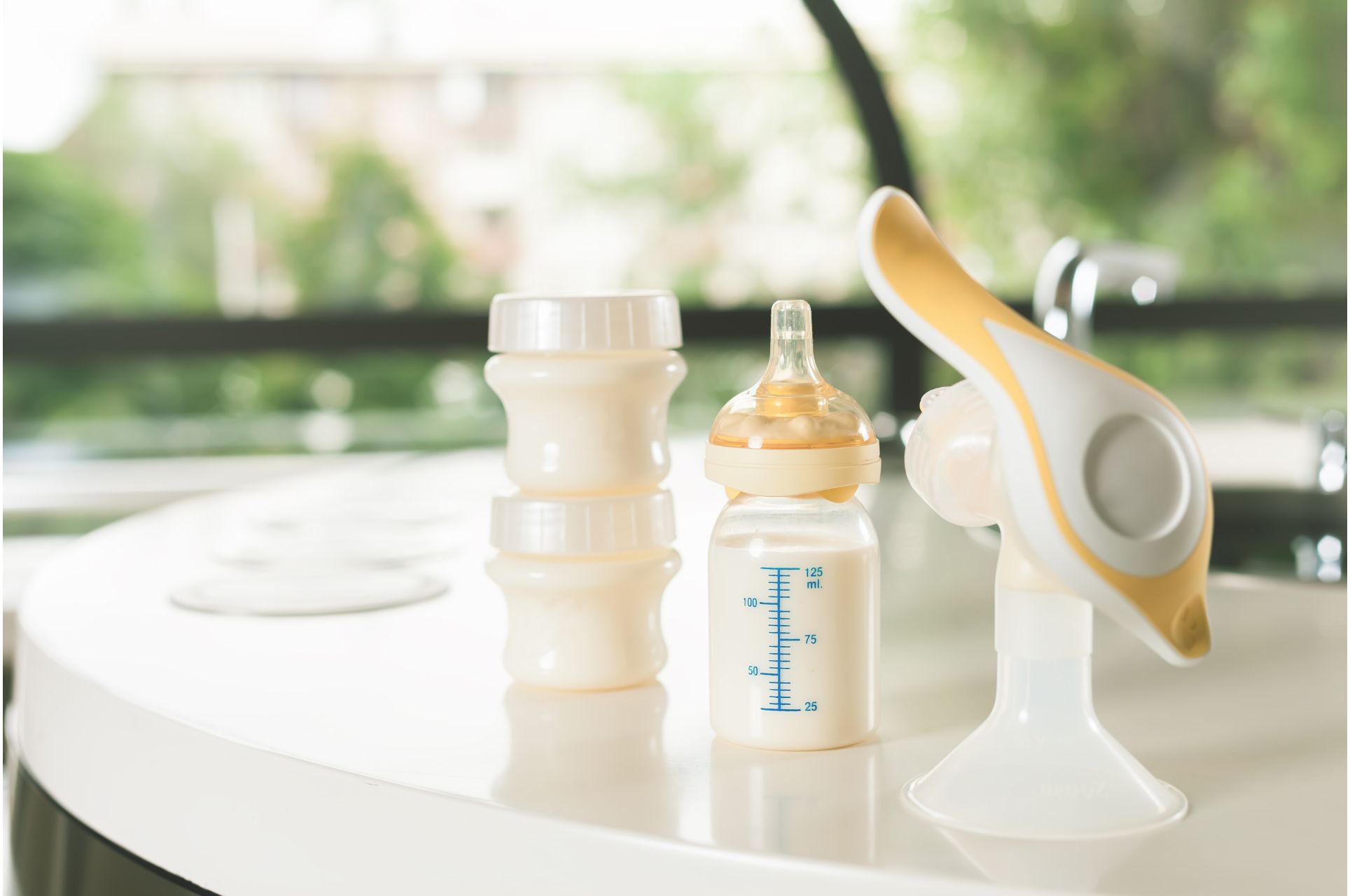
The following are some of the dos and don’ts for storing breast milk properly.
1. When breast milk is at the counter, it should not be exposed to temperatures above 77ºF.
2. Use food-safe containers specially prepared for storing breast milk.
3. Do not use a disposable bag for storing milk.
4. Use the oldest stored breast milk.
5. Do not microwave frozen breast milk to warm it.
6. Keep all storage utensils clean and sterile.
7. Do not refreeze already thawed breast milk.
8. Do not use plastic containers with a label at the back 7.
9. It is preferable not to add freshly pumped milk to previously-stored milk.
10. Encourage your baby to suck as much as he uses the bottle.
11. Do not freeze already thawed breast milk.
12. When transporting milk, it should be on an insulated container with ice packs.
13. Do not overheat milk.
How Much Should Breast Milk Be Stored For Baby’s Needs?
On average, a baby consumes about 2-4 ounces of milk for a single feeding.
So, you can store 1-2 ounces of milk in 3 or 4 small bottles and put them at the back of the fridge or deep freezer.
Storing in smaller containers will enable you to thaw milk quickly and warm it on time.
What Should My Frozen Milk Look Like?

When figuring out how to store breast milk, you should expect some changes with frozen breast milk.
Frozen breast milk may be pretty different from freshly pumped breast milk. You shouldn’t be surprised to see the stored milk separated into two layers – the cream and milk layers; it is entirely normal.
The color may also change (sometimes depending on the food you ate) to “pale pink, yellow-orange, slightly yellow. What you drink and the medications you take will also affect your milk color.
How Long Can Thawed Milk Be Safely Used?
When going through the process of learning how to store breast milk and handle it, you should understand this.
Thawed milk can only be kept in the fridge after 24 hours; this is how long breast milk lasts in the fridge. Do not refreeze previously frozen breast milk.
You can only use the breast milk for 1 or 2 hours outside room temperature; if not, keep it in the fridge for at least 3 days.
Why Should I Store Breast Milk?
If you intend to do an exclusive baby-feeding plan, one in that you won’t introduce formula, liquid, or solid for the first six months, you should think of storing breast milk because you may not always be around to breastfeed your baby.
Even if you do not intend to do an exclusive breastfeeding plan, you can also store breast milk if you always drop your child at a crèche while at work or are not always at home.
So, keeping breast milk is essential when you will not be around to breastfeed your baby. We will be evaluating some breastfeeding storage guidelines in this post; they will guide how long breast milk lasts in the fridge.
Safe Cleaning Of Storage Equipment
When practicing how to store breast milk, it is hygienic to learn how to keep your pumping materials clean and safe for your baby.
It is important to properly wash, rinse and sterilize any container in which you intend to store pumped breast milk before use.
Wash pump suction cup, spoon, breast milk storage bottles, and any other utensils you would use to store breast milk.
If they are new from the packet, you should rinse and sterilize them before use. You can wash with soap and properly rinse and dry.
Do not forget one essential precaution, wash your hands with soap and running water before you start pumping or storing the breast milk.
Expressing Breast Milk

To store breast milk, you need to express it. You can use several methods to do that; hand, manual pump, electric or battery-operated pumps.
Using the hand pump does not require you to use any equipment. You tilt the breast forward a little, use both hands to wrap around the breast, and pump out breast milk.
Hand pump requires you to use your hand but with suction.
You place a breast shield of suitable size around the nipple, attach the pump’s suction to the breast shield and pump the suction while holding the breast with another hand.
The electric and battery-operated pump also requires you to attach a breast shield to cover the areola and attach the suction cup to the breast shield when properly fitted.
Finally, you switch the knob to the right setting, which pumps out milk. Be sure to read the manufacturer’s manual if you just got a new pump so that you know how best your machine can work for you.
Learn more about how to pump breast milk in the post the ultimate guide to pumping breast milk here. After pumping, the next important thing is storage.
If you are extensively on breast milk, you may want to pump breast milk and keep it in times when you are not around.
Thankfully, there is an electric breast pump that allows you to pump breast milk from both breasts simultaneously so that you can store it for quite a while.
But how do you go about storing breast milk, and how long does breast milk last in the fridge? The answers to these questions are explained in the next section.
Tips And Guidelines For Storing Breast Milk
An important tip on how to store breastmilk is to be very careful. You should take these into consideration.
1. It is essential to use food-grade safe containers to store breast milk. It could either be plastic or glass. Please check that the bottle you use does not have the symbol seven, as it indicates that the container may be a BPA -container plastic.
2. Whatever storage container or utensil you intend to use should be washed, rinsed, and, if possible, sterilized.
3. You may also decide to store breast milk in plastic storage bags specially designed for storing breast milk. Do not use any random plastic bottles or plastic bags, please.
How To Store Freshly Pumped Breast Milk
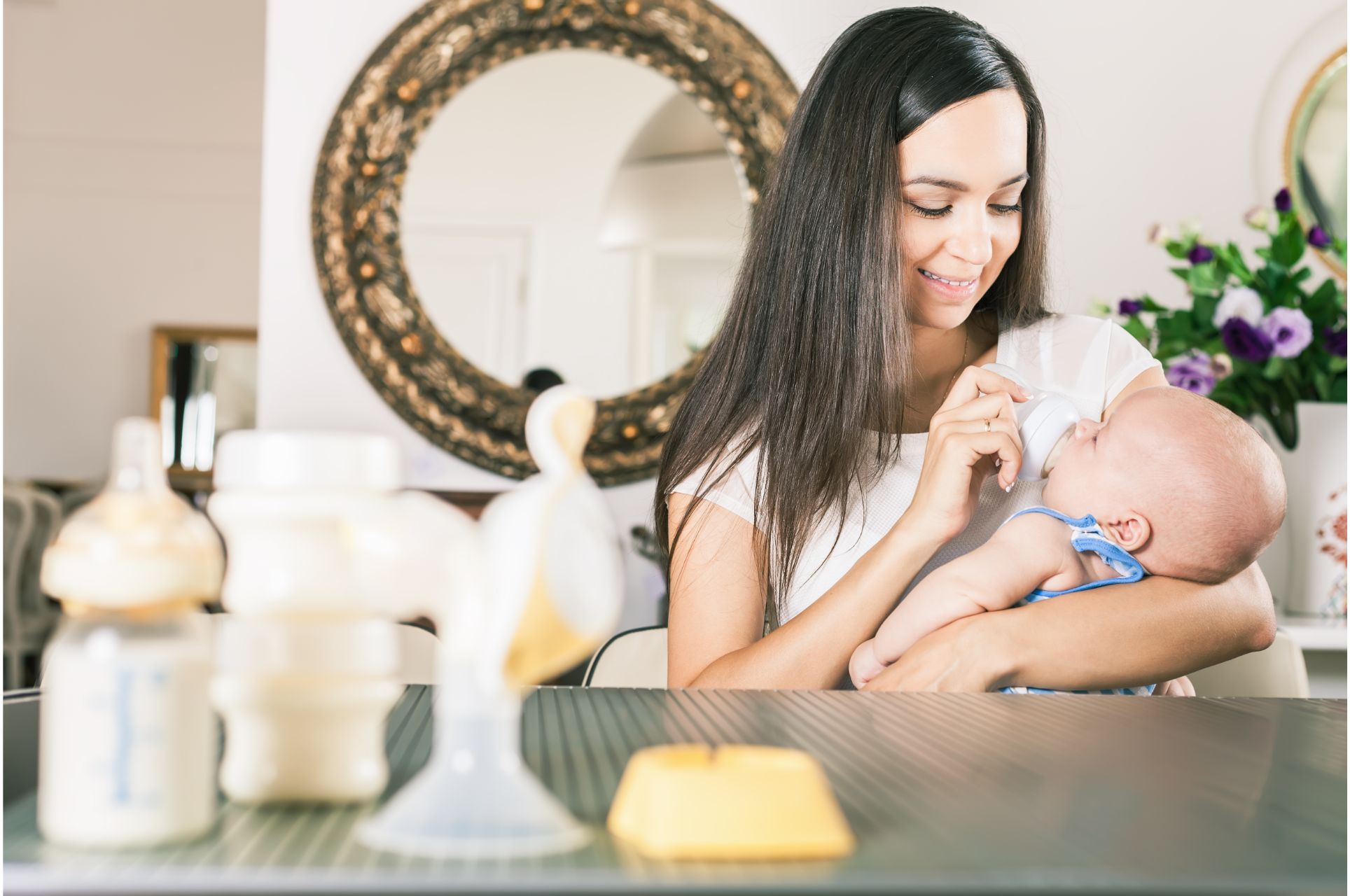
Freshly pumped breast milk can be kept at room temperature for 4 hours. In the refrigerator, it can keep up to 4 days and last up to 6-12 months in a deep freezer.
This is how long breast milk lasts in the fridge.
How To Store Thawed Breast Milk
Thawed breast milk are previously frozen breast milk that you have defrosted for use. On the countertop at room temperature, it can keep for 1-2 hours.
In the refrigerator, it can stay for three days. So if you are asking how long does thawed breast milk last in the fridge? This is how long it takes.
Please do not refreeze previously frozen breast milk for any reason.
Storing Left Over Breast Milk After Feeding
You can only use leftover breast milk for 2 hours if it is not consumed completely; after that, discard it. Another way to store breast milk is by using ice packs.
You can place the pumped milk in cooler/insulated cooler packs, place ice packs inside the pack, and then cover or zip it. It should last up to 24 hours before refrigerating or freezing.
There are several uses of leftover breastmilk besides feeding your baby, in the article here, you get 20 different uses of leftover breastmilk. You can read it here.
Guidelines To Refrigerate Breast Milk

After pumping breast milk, it is best to divide the milk into portions of about 39-118ml and store them in the containers, then freeze them. It will be easier to thaw out when you need to use it.
If your baby feeds more than 59-118ml of milk, thaw 2 or 4 bottles for the next day. Storing it in smaller containers and smaller portions is way better than keeping it all at once in a large container.
While storing, do not fill up the containers to the brim because breast milk does expand when frozen; giving some space at the top will allow the milk to avoid bursting.
Whatever bottle or container you choose to use for storing breast milk should have a tight-fitting lid so that the milk does not spill when refrigerated.
If you prefer to use a breast milk bag for storage, place the bag with the stored milk inside another container until it freezes.
After separating pumped milk into portions in their containers, use masking tape and a pen to label the date and time you stored the milk, i.e.
If you stored milk on Friday by 8:00 am, you could write 18/12/2021 at 8:00 am, or you can choose to write the day and month, e.g., December 18th.
The label should be written on waterproof paper and waterproof ink so that the date does not wash off because of the condensation in the refrigerator.
If you intend to use the milk for the baby at school or a crèche, write your baby’s name on the label and pack the bottles in a cooler pack.
If you intend to freeze, carefully arrange the milk in the freezer and deep freeze it for about 12 hours. Frozen milk does last for up to a year. Please use milk stored in the fridge for four days.
So if you are wondering how long breast milk lasts in the fridge, it will depend on the factors like constant electricity, where you keep the milk( fridge or freezer), and even how long you intend to store the milk.
How To Use Stored Breast Milk
It is best to feed a baby from the breast often because the body produces different antibodies and gets different nutrients from the food you eat.
Sometimes, it may not always be possible to breastfeed your infant; hence, you store milk. You may ask, how long does breast milk last in the fridge?
It will depend on if you want to store it in the fridge or freezer. To use stored milk that has been frozen, you need first to thaw (defrost) the milk. The best way to do this is to let it melt in the fridge.
So, say you intend to use the breast milk tomorrow, remove the stored milk with the oldest date and place it in the refrigerator to thaw overnight.
By oldest date, I mean if you have stored milk dated “December 5th, 10:00 am; December 10th, 9:00 pm; December 20th, 6:00 pm”.
The milk you should thaw is the one labelled December 5th because it has the oldest date. One may ask, why should I do this? After all, the milk was stored in the freezer, and it was not spoilt.
Breast milk loses its nutrients over time. To avoid feeding your infant breast milk with almost no nutrients, use the milk stored with the oldest date.
The best way to thaw the breast milk is by removing it from the freezer and leaving it overnight in the fridge.
However, this may not always be possible if you intend to use breast milk quickly, you can quickly thaw the milk by placing it in a bowl of warm water.
Keep changing the water till it thaws out. Or run warm water over the bottle of frozen milk till it defrosts. It will make the milk a bit warm for the infant.
You should be able to thaw 59-118ml of breast milk for 15 minutes using this method. When you place breast milk in the fridge to thaw out, place a little dish underneath so the water doesn’t leak out.
Once the milk has melted, you may notice it has separated into two layers. It doesn’t mean it is spoiled, so do not worry. Shake the bottle so that the milk mixes.
You may also notice a color change. To be sure, it’s not bad, and you can open the lid.
As long as it doesn’t have an off odor and hasn’t been stored for over a year, it is still safe for drinking. It is advisable not to thaw breast milk in the microwave or to warm it.
The heat would reduce some nutrients, and it may be too hot unknown to you, which can cause burning to your baby.
If breast milk stored has an unpleasant smell at any time, discard it, even if it hasn’t passed the expiry date. Once the milk has been thawed and used but not completely used, you can keep it in the fridge for only a day.
Warming breast milk for the baby may not be necessary as once the milk has defrosted to room temperature, the baby can take it.
Conclusion
I believe everything you need to know about storing breast milk has been addressed. I tried to leave no stone unturned.
Remember that the refrigerator is of vital importance when storing breast milk. If you have unsteady power supply or can not rely on it, please do not try to store breast milk except with ice packs.
When you feel uncomfortable using breastmilk because of odor, color or taste, you can always throw it away when in doubt. I hope you found this useful.
Don’t forget to share to other moms!
