

At the tail end of pregnancy, the body begins a preparatory phase before labor, this begins days or weeks before labor. In this phase, you experience some signs like Braxton Hicks contraction, loss in weight, extreme tiredness, restlessness, these are signs that your body is getting ready for labor.
When a woman experiences any of these signs she should begin preparations for the big day, the same way her body is preparing so that when labor comes, she will be fully ready.
In this post we aim to discuss on the different signs you will experience when your body is getting ready for labor.
Before that, let me throw some light on the concept of labor, its types, the time to expect labor, to help you understand why your body prepares for labor.
What Is Labor?

Labor is a continuous, progressive contraction of the uterus, which leads to dilatation (stretching) and effacement (thinning out), to move the fetus through the birth canal.
It usually starts two weeks before or after the estimated date of delivery. However, the exact trigger for the onset of labor is unknown.
Physical changes indicating labor include lightening (baby lowers in the pelvis), mucus plug changes, contractions, and cervical effacement and dilation.
Types Of Labor
There are different types of labor and they either depend on the method of delivery or in some cases, they decide the method of delivery too. Labor can come in many forms depending on the following method of delivery
- Vaginal birth
- Natural birth
- Scheduled C-section
- Unplanned C-section
- Vaginal birth after C-section (VBAC)
- Scheduled Induction
When Does Labor Begin?

Labor begins when the cervix begins to open (dilate) and thin (called effacement). The muscles of the uterus tighten (contract) at regular intervals, causing the cervix to thin and open.
During contractions, the abdomen becomes hard. Between contractions, the uterus relaxes and the abdomen becomes soft.
How Will I Know If I’m In Labor?
Many women have several pre-labor signs, such as backache, diarrhea, weight loss, and nestling urge. These are signs that your body is getting ready for labor.
No one knows what causes labor to start, but several hormonal and physical changes may point to the beginning of labor.
What Do You Do When You Are In Labor

If you already feel signs like loss of the mucus plug, intense contractions, cramps, it may be the onset of labor.
To be sure that the time interval between one contraction and the others is a sign that you are getting ready for labor, watch to see if the contraction gets stronger and more intense, it means that you are at the onset of labor.
Once you start feeling contractions, start preparing your things. You can also take a walk or do anything that would distract your mind.
When the contractions become more intense, head to the hospital immediately. If you have some complications in pregnancy, it may be wise to call your doctor if you notice any signs of labor.
Does Labor Start And Stops For Days?

There are different stages of labor before delivery and it is in your best interests to learn all about it. If you would like a resource that teaches you about this, you can check out the article to get more information here.
Labor can start, stop, start and stop again, and this can continue for several days. This stage Is called the latent phase of labor. When the contractions become more frequent and unbearable, the labor has transited to the active phase.
Some women experience the symptoms of cramps, fatigue, nausea, backache, restlessness even contractions for several days.
These symptoms stop and start again repeatedly for days. This kind of labor is called Prodromal labor.
It isn’t usually a Braxton Hicks contraction because labor contractions have started, and it is accompanied by slight cramps and pains.
Many women have had to go to the hospital and return when they check to see that they haven’t dilated much and the contractions are infrequent. This labor may go on for days even up to a week.
Medical experts have said that the fact that if the labor doesn’t progress, it doesn’t mean that you should do an induction or C-section. If yours is a low-risk pregnancy, you may want to stay at home till it progresses for active labor.
When Should You Go To The Doctor With Contractions?
The moment you start feeling these contractions, it is a sign that your body is getting ready for labor.
Though this doesn’t mean you would birth the next hour.
Sometimes you have to wait for some time at home and busy your mind to manage the labor pains before calling the doctor.
How Does The Body Feel Just Before Labor?

Your system will always give you signs that your body is getting ready for labor. The way the body feels before labor will depend on the woman’s body.
Some women experience one or more of these symptoms
- Dizziness
- Nausea
- Extreme tiredness
- Body ache
- A sudden burst of energy
- Pelvic pressure
- Slight pain in the abdominal region
- Braxton hicks contraction
- Camps
- Irritation
- The nesting urge i.e. the urge to get everything ready for the baby
- Impatience and frustration to meet your baby
- Restlessness
- Nervousness and anxiety
- Increased craning
- Loss of appetite
- Increased libido
- Laziness.
Let’s talk about some of these signs your body is getting ready for labor.
1. Braxton Hicks contraction

This is called painless contraction also called practice labor. Braxton Hicks is painless, and it prepares the woman’s body for the real contraction during labor.
With Braxton Hicks contraction there is usually a tightening at the baby bump. It is quite uncomfortable but it doesn’t cause pain.
As your due date draws near, the Braxton hicks contraction will increase as a sign that your body is getting ready for labor, but as always, this does not happen for every woman.
The hormonal changes in the body is what prepares your body for labor. It is what causes the cervix to be more flexible and the increased Braxton hicks contraction.
As long as the contractions are painless, there would be no cause for alarm. Contractions may also be accompanied by backaches and cramps as your body prepares for the big day which is labor.
2. Increased Back Ache

Usually, women experience backache in the third trimester, but once it’s getting to the tail end of the pregnancy, the backache increases so much more such that it might seem unbearable.
If you are experiencing increased backache, it may be a sign that your body is getting ready for labor, and this is a way to cope with the extra weight of the baby.
This can affect the women’s posture putting strain on the woman’s back and increasing back pain. As the body prepares for labor changes in hormones will lead to increased back pain.
These hormones will loosen the joints and the attachment of the ligament, in the pelvic and spine area.
This causes pain while walking, standing, even sitting for long. The weight of the uterus puts more strain on the muscles with increased pressure on the back area.
It would be very discomforting but the good news is that the baby is almost on his way so it won’t be too long. The symptom of increased backache would cause back strains and ache which is discomforting.
3. No Additional Weight Gain

There are different shocking signs when your body is getting ready for labor and this is one of them.
Every trimester of pregnancy is marked by an increase in weight gain usually predominant in the 3rd trimester of pregnancy, but this stops when you approach labor.
The baby has been fully formed and starts preparing for delivery. Expect to lose up to 3 pounds during the last days of pregnancy.
The loss of the amniotic fluid, frequent urination and diarrhea are some things that are responsible for the loss in weight.
4. Fatigue

Expect to feel very tired in the last few days before labor, it is a sign that your body is getting ready for labor. Since there are marked hormonal changes during pregnancy, one side effect that women experience due to this is fatigue.
The hormonal changes can reduce the energy level of the woman. The increased progesterone level can make a woman move more slowly when she is closer to the due date.
The extra weight of the baby is also accompanied by emotional fatigue and changes. The strain and stress of pregnancy can take a full emotional toll on a woman.
I remember being so tired before I gave birth. I was so eager for labor to start and when I passed my due date, I felt so angry, frustrated, and tired of waiting that I wished for a C-section. Thankfully my labor started the next day.
Some other emotional changes that could cause tiredness are disrupted sleep patterns, stress, anxiety, tiding to prepare for the baby’s arrival, anticipation, etc.
While these feelings are normal, try to be patient with yourself because your little one will come sooner than you think,.
5. Nesting Urge

A sign that your body is getting ready for labor is that you may start feeling the nesting urge. The nesting urge is that nudge that you feel, prompting you to prepare everything before the baby arrives.
Even when you have gotten your baby hospital bag, the nursery, and your hospital bag ready sometimes,
you start rearranging everything again because you feel the urge to do so.
If you find yourself doing this during pregnancy do not blame yourself it is the nesting instinct at play here. By the beginning of my 3rd trimester, I felt so uncomfortable that I had not completely arranged my baby’s room.
Of course, I could not do all the work on my own but I made sure I disturbed everyone around me until we scoured, dusted and mopped every inch of the baby room.
Towards the end of my late 3rd trimester I felt the need to rearrange again. I brought my hospital bag, packed and repacked.
Again I would double-check that everything I needed for the hospital was packed. Sometimes I even changed the clothes and picked other outfits for my baby’s first wear.
The nestling instinct was so strong, so much that I was so, so eager to see my baby, and packing his little shoes, socks, onesies, and imagining him on them was the only way to manage the urge.
6. Loose Bowel

This is another sign to watch out for. The hormonal change experienced will cause the uterus, cervix & rectum to loosen up and because of this women will poo more frequently than before.
Sometimes, this has caused women to mess themselves up because they won’t be able to hold their pee or poop.
These symptoms are short-lived so do not feel too irritated or embarrassed with yourself.
Know that the body does this for a purpose, which is to aid the delivery process, help empty your bowel, make you feel lighter, make contractions easier so be prepared to do this more frequently than before.
Also prepare, ready for any mess when you go outdoor by carrying extra tissues or wipes, even fresh underwears to clean up when necessary.
7. Nausea

As a sign that your body is getting ready for labor, you may just experience nausea and morning sickness symptoms you experienced during the first trimester of pregnancy.
Body weakness, vomiting, moods swings, loss of appetite, restlessness, or you do not feel yourself. Some women may also experience headaches and slight chills even dizzy spells.
If you feel that this becomes too overwhelming for you, consult your nurse for the right steps to take. Take rest as much as possible and if it gets worse, you may just have to head to the hospital for proper investigation.
8. Cramps

Similar to menstrual cramps the body can also give signs of labor to the woman experiencing cramps. These cramps may be accompanied by Braxton hicks contraction and other notable signs that the body is getting ready for labor.
The cramps may cause discomfort and the weakening of the back, waist, legs, abdomen. and even the feet but it is not labor. In labor, the cramps are usually accompanied by painful contractions.
The cramps can come and go for several days and resurface again. If the cramps are continuous, more frequent, and accompanied by slight pains, it may be the onset of labor.
9. Pelvic Pressure
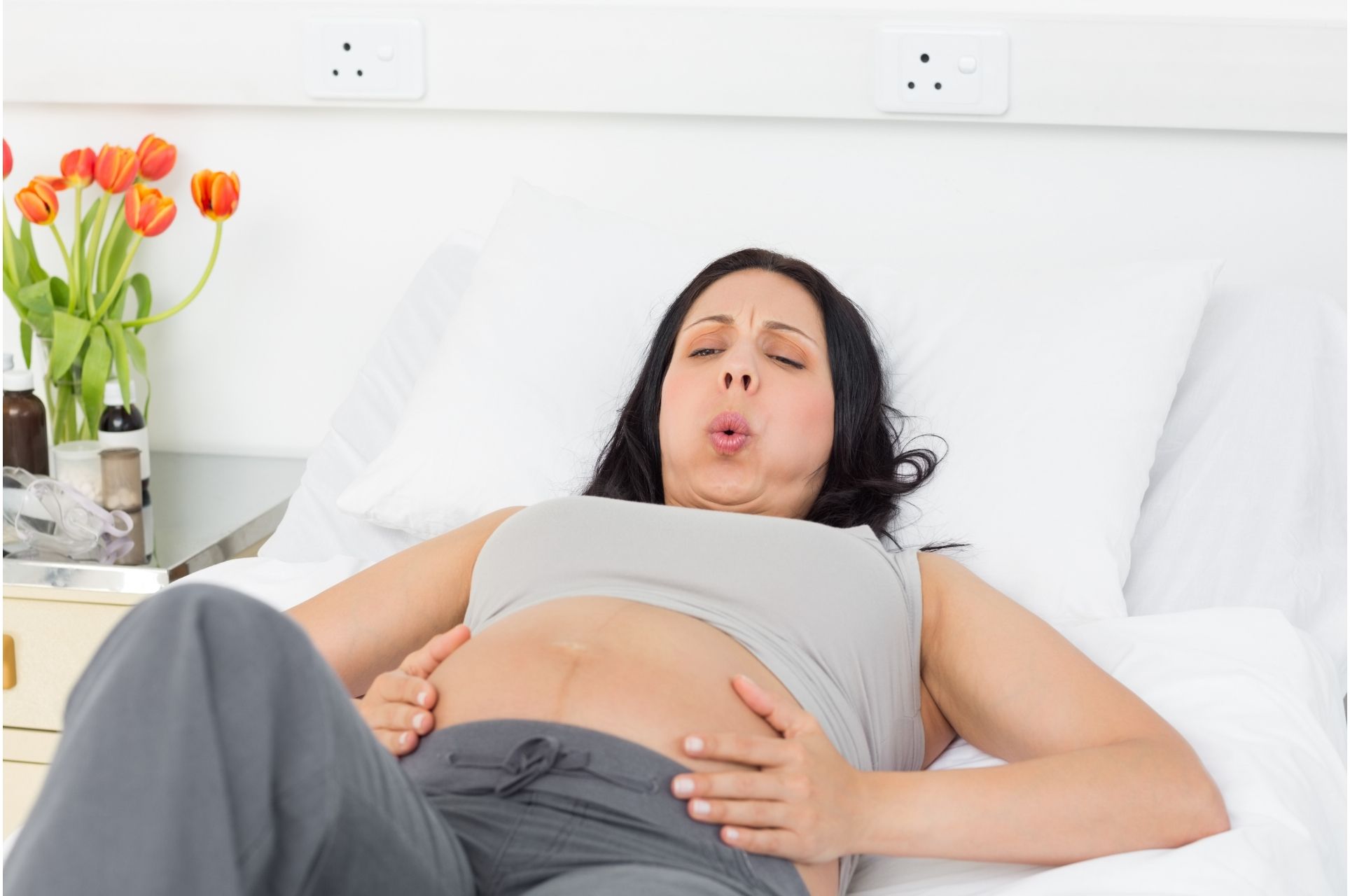
If you start noticing sharp pains around the pelvic region, and pelvic pressure, your body may be telling you something which is to start getting prepped as labor is approaching.
When you get close to your due date, the baby’s position would drop closer and closer to the cervix in readiness for birth. The droppings of the baby’s head is also called lightering.
There is pelvic pressure and the woman begins to feel the sensation down there. Lightering extends the belly downwards, making it difficult for women in the late 3rd trimester to walk as fast as before.
It also causes more backaches, pressure in the bum, waist pain, pain in the perineum and public bone, stuffiness when you spread your legs apart.
The weight is also what causes the increased need to pee because of the pressure in the rectum.
10. Lightering

When the baby begins to descend and drops in the pelvis is called lightering or engaged baby. The woman experiences lesser weight in the chest area but more in the lower abdomen.
Lightening is gradual and at the late stage of pregnancy, you see the once pointed baby bump begins to face downward.
With lightering, women experience signs like pelvic pressure, backache, waist pain, frequent urination, pain in the groin area, etc. If you have felt any of these signs, get yourself ready to meet your little one, for labor is on the way.
Conclusion
The signs listed above must not all happen to you. You might experience some but not others. This does not mean something is wrong.
Every woman’s body is different and will adjust differently to changes. Always ensure to keep the communication lines open with your doctor this period.
Save this for later!
