What you eat during pregnancy is super important for your health and your baby’s health. This is because it plays a significant role in how well the fetus grows and develops and prevention of congenital abnormalities.
I would say that the time of pregnancy is when most women’s taste buds come alive. They begin to crave so many different foods that they would not eat on a regular day.
Thankfully, there are so many foods you can try out during pregnancy. So many of them offer great flavors that will tickle the taste buds and are packed with tons of nutrients suitable for the pregnant mama and the growing fetus.
While there are a lot of pregnancy foods to eat during pregnancy, you should, however, be cautious as not all the foods you previously enjoyed are safe to eat during pregnancy. For more information, check out the foods to avoid during pregnancy.
This then brings us to the question of what to eat during pregnancy?. Below I have outlined the main foods, fruits, and veggies to eat during pregnancy.
Foods To Eat During Pregnancy Week By Week

The food a pregnant woman should eat week by week should fall under these categories.
1. Healthy carbohydrates. They provide a rich source of energy for the numerous processes taking place in the body at this time. Pregnant women will need more of healthy carbohydrates, especially in the third trimester and second trimester.
Healthy carbohydrates to include in the diet are wheat, oats, brown bread, rice, pasta, yam potatoes, etc.
2. First-class proteins. As the baby grows, you will need lots of proteins in your diet to build up cells, chemical processes, and repair tissue It would help if you did not miss out on taking proteinous food every week when pregnant.
Eggs are rich sources of protein; as an added advantage, it has extra nutrients like a bit of carbohydrate and other minerals and vitamins. Other excellent proteins are fish, beans, milk, lean meat, etc.
3. Fruit and vegetables. They are great to snack on. They can be prepared as meals, used in salads, as a side dish, and even to make smoothies.
Vegetables offer a lot of vitamins and minerals needed by the woman during pregnancy, ensuring that the fetus grows right and reducing the chances of congenital malformations.
It is also super helpful to avoid constipation, heartburn, and indigestion in pregnancy, and it helps women avoid overeating because the bulk of the fibers makes women feel full.
4. Dairy products, eggs, chicken, milk yogurt are food to eat during pregnancy week by week because they contain lots of protein.
5. Do not also forget to increase your fluid intake. Take water, coffee, water-based fruits.
Foods To Eat When Pregnant For The First Trimester

Below are some best foods to eat for the first trimester. They are super helpful for morning sickness.
1. Food that is high in folic acids, like green leafy vegetables, nuts, kidney beans, Greek yogurt and eggs.
2. Foods that are low in Mercury like chicken, milk, lean meat Sardine, Broccoli, Beef, Tofu, Beetroot, Apples, Cabbage, Corn and Kale.
3. The following fruits: bananas, oranges, berries and avocado.
4. Snacks for morning sickness: Dried fruits, Ginger tea, Beans, Lentils, Guava and Pomegranate.
Foods To Eat In Pregnancy To Make Your Baby Smart

Do you wish for a smart child? I can relate. You should start eating the right foods from pregnancy. What to eat during pregnancy to make the baby smart?
Foods to eat in pregnancy that would make a baby smart are those foods that build the brain.
Below is a list that contains what to eat during pregnancy for a smart child.
Foods that are rich in Omega-3 fatty acids. These acids are rich and are essential for brain development. They include foods like.
- Spinach
- Nuts
- Almond
- Fishes
- Soya beans
- Curry
- Malt
- Apple
- Plum
- Eggs
- Berries
- Cheese
- Pumpkin seed
- Pumpkin leaves
- Seafood
- Sweet potato
Food To Eat During Pregnancy To Have A Beautiful Baby

It is true that every baby is uniquely beautiful so this is just what to eat during pregnancy for an active baby. Every mom wants to birth a beautiful baby with the perfect curls, eyes, supple skin, well-formed nose, and all.
However, there is always a risk of congenital malformations. To avoid it, you need to eat right. If you’re wondering what to eat during pregnancy for a beautiful baby, then check our foods list below for a beautiful baby.
- Dairy products like Greek yogurt and eggs
- Potatoes
- Beans
- Nuts
- Fatty fishes
- Oranges
- Green leafy vegetables
- Broccoli spinach
- Salmon
- Bananas
- Soya beans
- Walnuts
- Almond
- Berries
- Papaya
- Lean meat
- Fiber foods
- Tomatoes
- Cucumber
- Mangoes
- Carrots
- Coconut
Fruits To Eat During Pregnancy
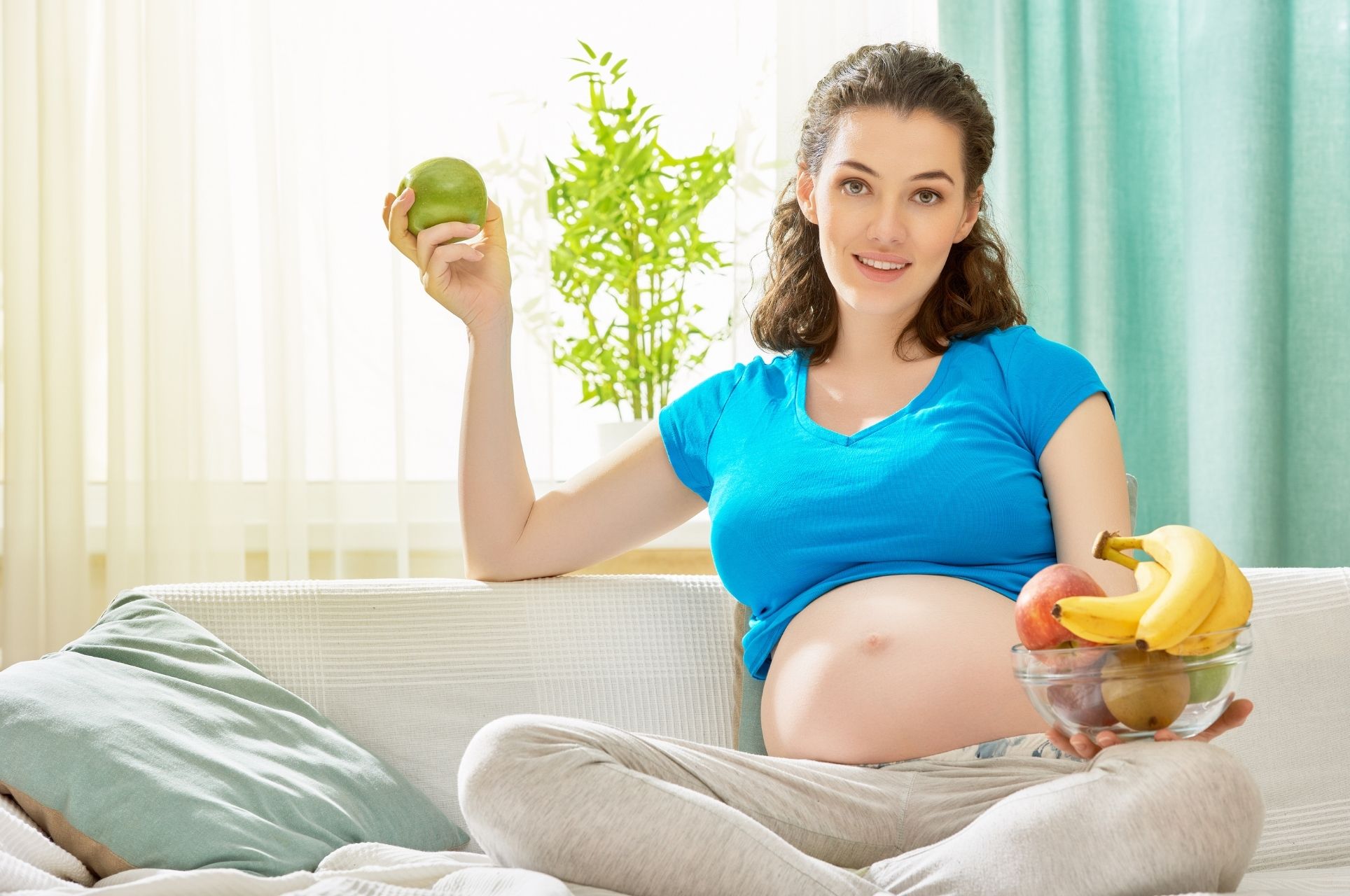
If you’re confused on what to eat during pregnancy as pertains fruit, there are harmless varieties of fruits you can take during pregnancy. Here are some.
- Apricot
- Oranges
- Mangoes
- Pear
- Pomegranate
- Avocado
- Guava
- Bananas
- Grapes
- Berries
- Pineapple
- Watermelon
These are some fruits you can eat during pregnancy. They are healthy, and they provide you with many vitamins, minerals, and other essential nutrients.
Vegetables To Eat During Pregnancy

Just like fruits, vegetables are also part of the things to consider when picking what to eat during pregnancy.
Paring fruits and veggies in your diet is a great combo. Below are some veggies you shouldn’t miss from your diet during pregnancy.
- Spinach
- Pumpkin
- Broccoli
- Cabbage
- Carrot
- Pepper
- Asparagus
- Green peas
- Artichokes
- Onions
Fish To Eat During Pregnancy

This should come as no surprise as they will most definitely be fish and seafood contained when you are considering what to eat during pregnancy. The following seafood and fish are ok and safe to eat during pregnancy.
- Salmon fish
- Sardine fish
- Shrimps
- Crayfish
- Tilapia fish
- Catfish
- Codfish
- Halibut
- Haddock
- Flounder
- Tilefish
- King mackerel
- Crab
- Oyster
- Freshwater trout
- Yellow tuna fish
- Hake
- Crawfish
- Bigeye tuna
- Anchovy
Nutrients From Recommended Food To Eat During Pregnancy

While taking notes of what to eat during pregnancy, you have to understand the nutritional value it adds to both you and the baby. So, let me explain in detail the nutrients you get from the food recommended for you to eat during pregnancy.
I will be stating the vital nutrients, you can get from taking these selected foods given below; so let’s dive in.
In this section, I will be focusing on 15 highly recommended foods.
1. Lean Meat

Lean meat contains proteins. Proteins are essential for growth. The smaller components of proteins which are amino acids are the building blocks of cells.
You need them on your list of foods to eat during pregnancy because a lot of catabolism and anabolism will be taking place in the body.
Lean meat is a healthy source of protein and amino acids during pregnancy. It also contains iron which is essential in the production of red blood cells.
Since the blood volume increases during pregnancy, you need more iron in the body. Iron is also necessary for the development of the baby’s brain.
You can add a variety of lean meat to your meals as you eat; it would help immensely.
2. Sweet Potato
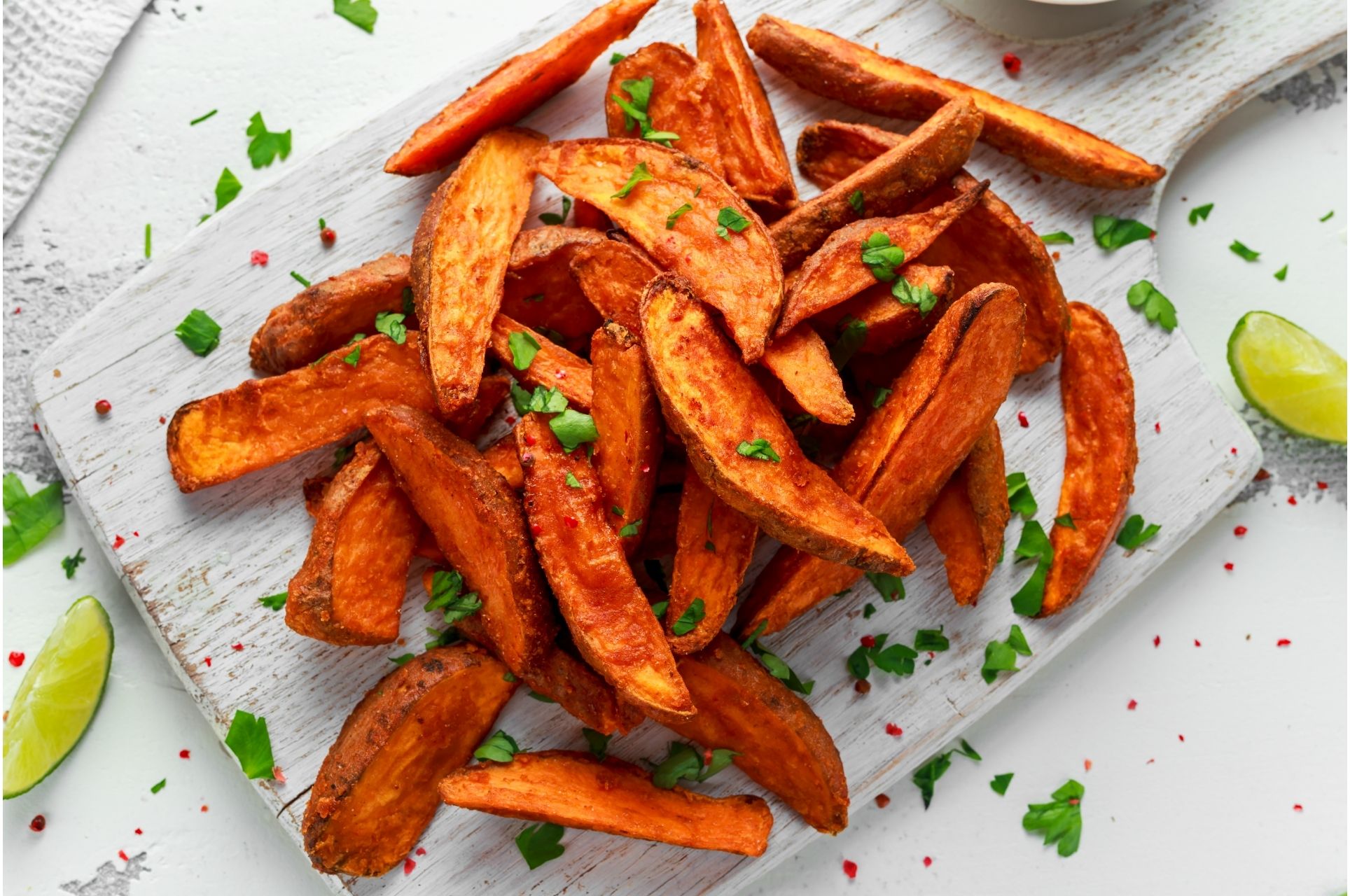
Sweet potatoes are foods rich in fibers and beta-carotene. This important plant compound can be converted to vitamin A.
Vitamin A plays a vital role in the development and growth of the fetus and the mother’s eyesight. Sweet potatoes are must add on what to eat during pregnancy because they are rich in vitamins, minerals, fibers, and antioxidants.
Some health benefits of sweet potatoes are that they contain lots of vitamins and minerals, even fiber. 200 grams of baked sweet potatoes can have as many calories, fibers, protein, fat, vitamin A, vitamin C manganese, etc.
Sweet potatoes with orange or purple skin have antioxidants that help get rid of free radicals from the body. These free radicals can cause harm if not removed from the body.
The fibers help to aid digestion. Since pregnant women experience constipation or indigestion as a side effect, eating sweet potatoes can help alleviate this symptom.
It also supports the vision. Vitamin A helps to boost the immune system. There are so many ways to prepare sweet potatoes either by frying, boiling them diced or mashed.
You could google recipes that can help you prepare sweet potatoes in creative ways. You can try adding some coconut oil or olive while cooking sweet potatoes. It will aid the absorption of fat.
3. Legumes
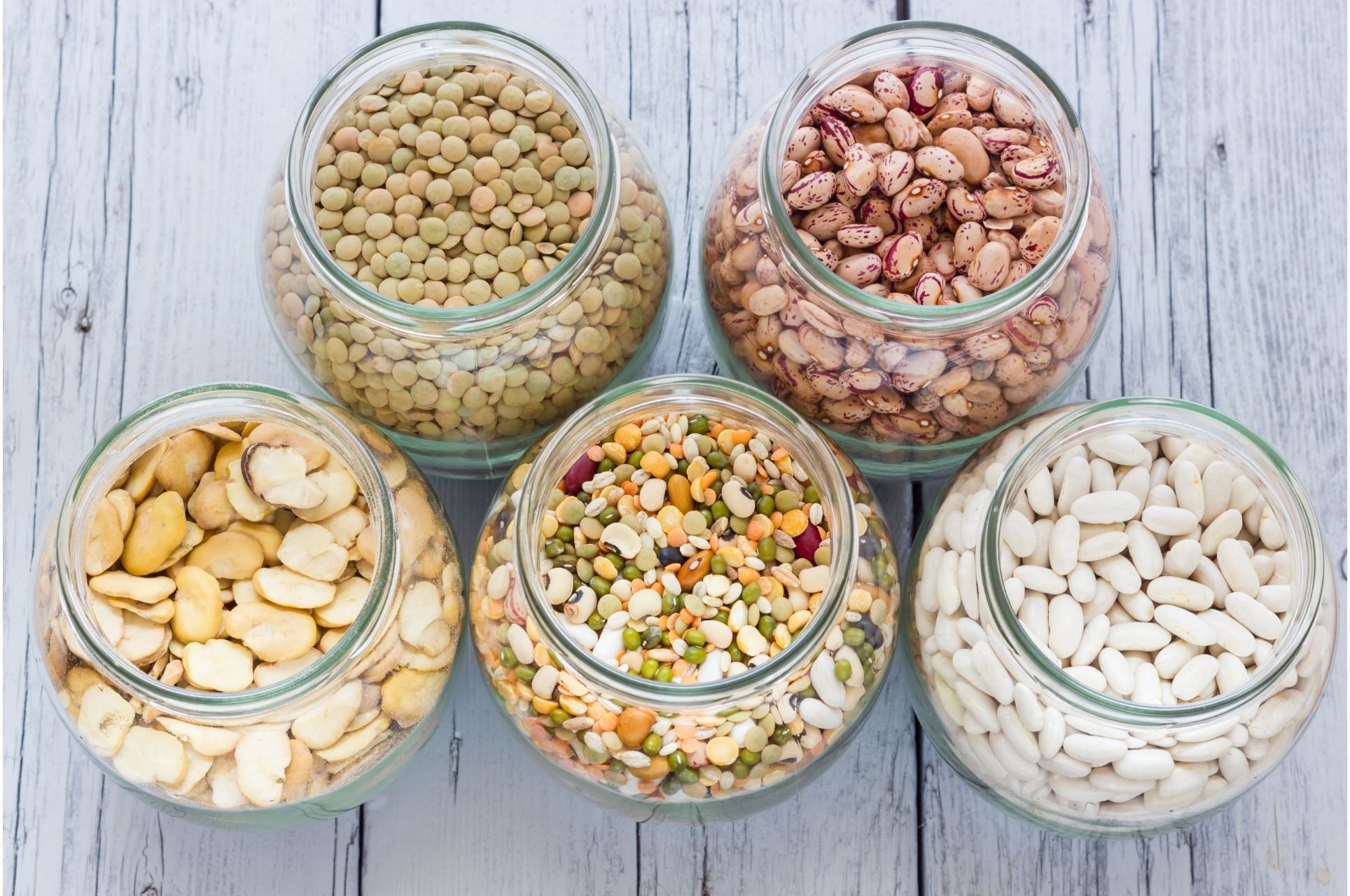
These plants products are rich sources of protein, fibers, iron, calcium, and folate(folic acid). The legumes food group includes different species of beans, cowpea, green peas, lentils, etc.
This food source is nutrient-rich. So they should be on your list of what to eat during pregnancy. They can be used to spice up different meals, and as a bonus, they are affordable.
Legumes contain folate and essential vitamin B complex, which is highly needed in the first trimester for the growth and development of the fetus.
The fibers aid digestion and absorption of food. Legumes also contain some amounts of magnesium and calcium. These nutrients are essential during pregnancy; calcium help in the growth and development helps for strong bones and teeth formation in the fetus.
Magnesium helps in nerve and muscle function. Iron is helpful in blood formation, preventing anemia in pregnancy. Legumes can be used in salads, curry, whole grains like a rice dish, and even deserts.
4. Eggs

Taking at least an egg a day is essential, especially during pregnancy because eggs contain almost every nutrient needed in the body; calories, protein, fats, vitamins, and minerals.
One important component in an egg is choline(not to be confused with chlorine). Choline is essential in pregnancy.
It helps in brain development, preventing congenital abnormalities and improper spine development. It is also essential for body function.
Egg also contains quality protein. We know how proteins are essential in bodybuilding. You need it for the growth and development of the baby. Egg contains vitamin D about 4 micrometers in one large egg.
This is important for the absorption of calcium and the proper development of the bones and teeth in the fetus. Check for great recipes that you can use for preparing eggs.
5. Dark Green Leafy Vegetables
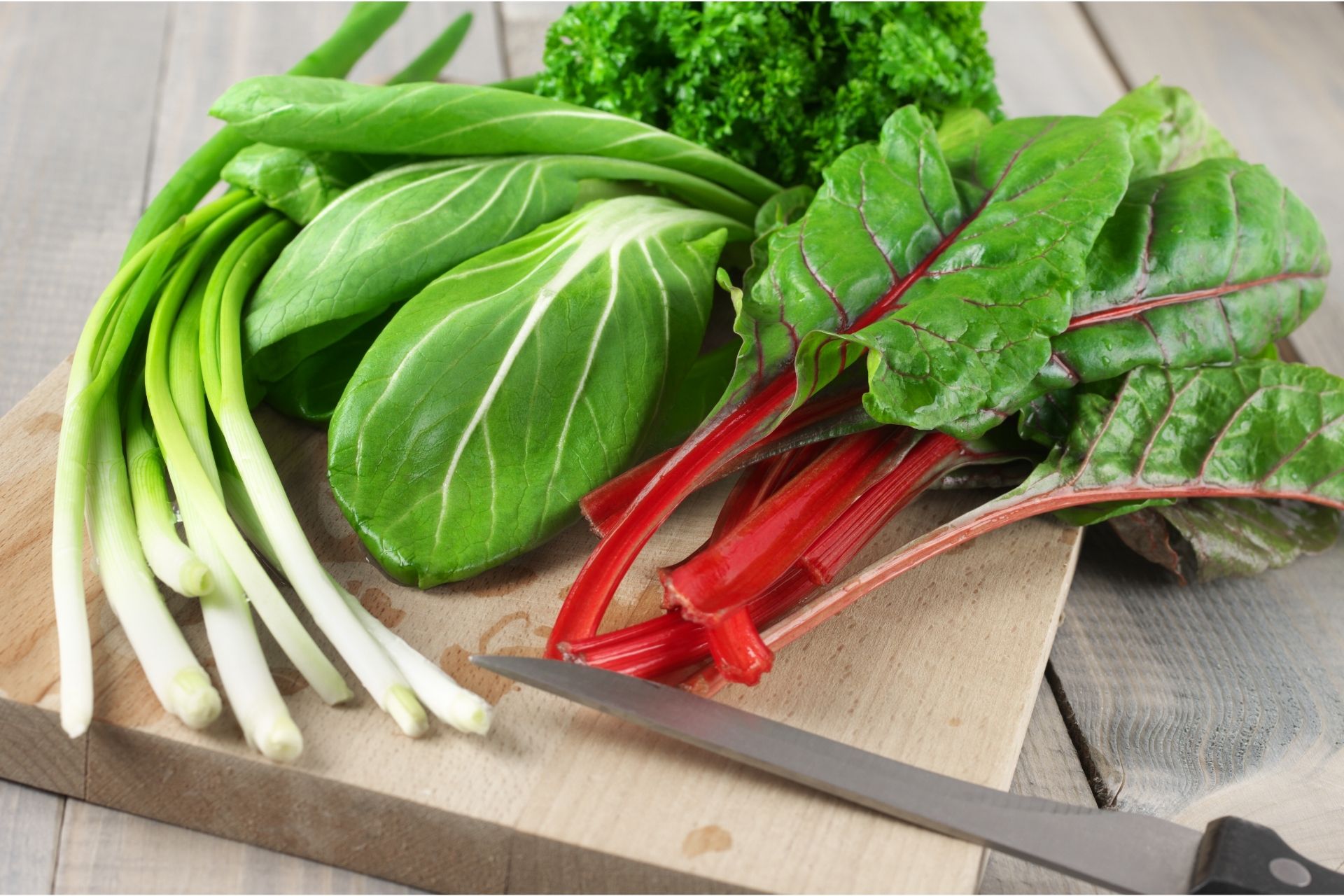
You can take them as part of your main meal, in salads, as stir-fries, or for garnishing foods. They contain many nutrients, fibers, vitamin C, vitamin E, vitamin A, vitamin K, iron, folate, potassium, etc.
Fiber aids digestion and absorption of food, reducing constipation and heartburn, so if you have constipation and heartburn in pregnancy, you may want to try out great recipes with dark green leafy vegetables.
They also contain Vitamin A, which is essential for eyesight and for building the immune system. It also helps prevent congenital disabilities in the baby’s brain and spine (spina bifida).
Vitamin C supports immune function in the development of bones, teeth, and skin for collagen production. Potassium helps with hormonal function and body processes.
Indeed the green leafy vegetables are nutrient-packed. Try to include them in your meals because they are what to eat during pregnancy.
6. Berries

These are sweet goodness, strawberries, blueberries, rasps berries, acai berries, and a ton of other berries. They are rich in water, vitamin C, and healthy carbs, fibers, and antioxidants.
Berries are a good source of fluid. They are great to take because though they are sweet, they do not cause a relative increase in blood sugar levels.
They contain antioxidants which are essential to prevent cancerous cells and help to avoid congenital disabilities.
Vitamin C is necessary for immune function and the development of the skin fibers and aids digestion. You can add berries to your cakes, ice creams, and yogurt.
Add some cubes of berries to your cereals, or use them to make smoothies. There are so many ways you can combine berries in your meals.
7. Whole Grains
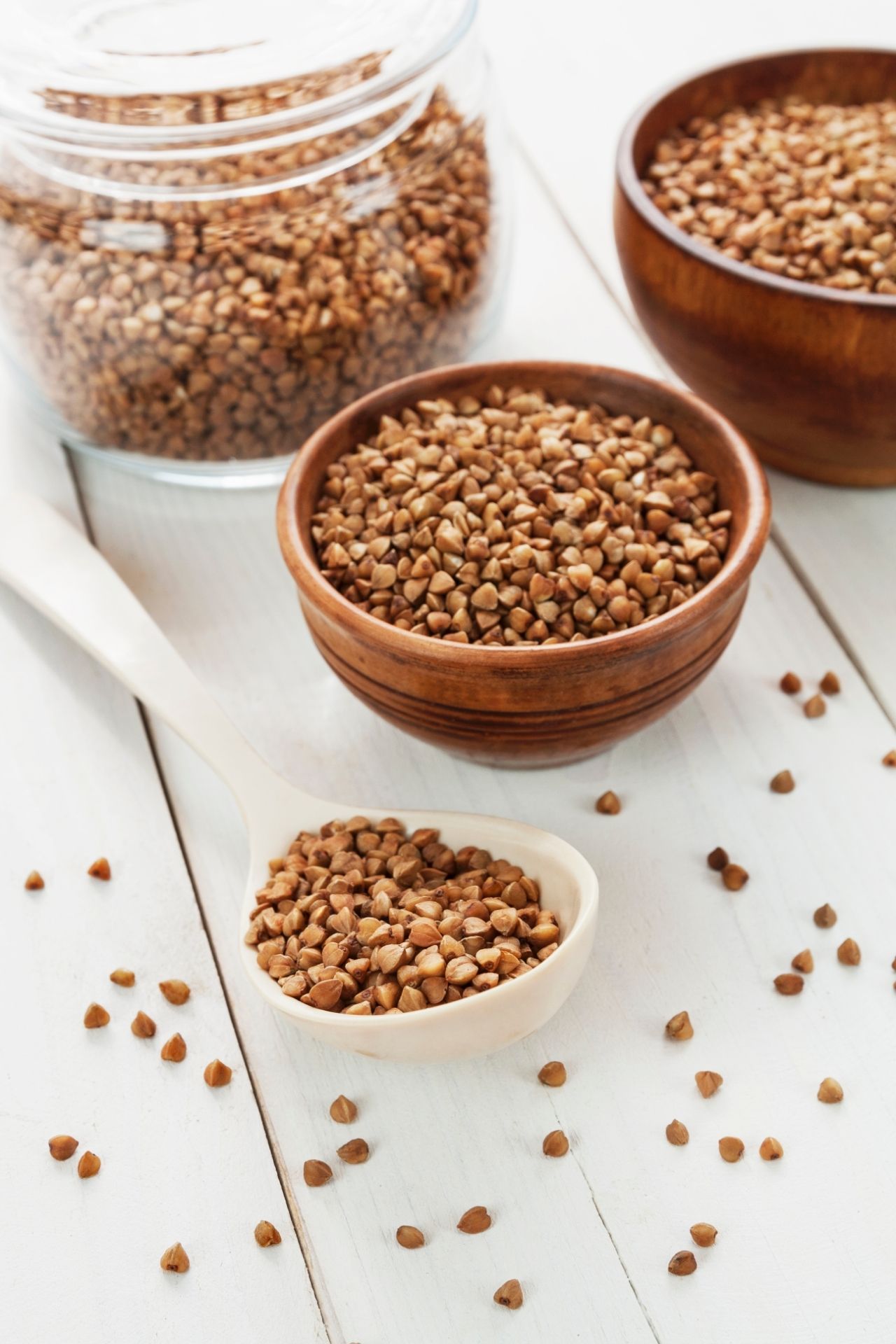
Examples are oats, brown rice, wheat, barley, guinea corn, millet, etc. They are a good source of healthy carbohydrates, vitamins, fiber, and a host of other nutrients.
They can be processed and used to make healthy dishes. Fibers in whole grain aids digestion. The vitamins in whole grains are niacin, thiamine, folate, vitamin B.
Another reason why you should add them to your list of what to eat during pregnancy is that they are needed for numerous body functions like bone development, nerve function, blood production, maintaining health, growth, and development in the mother and the child.
They help to avoid the risk of congenital abnormalities and developmental problems. Whole grains also contain some amount of proteins. A protein, of course, is a bodybuilder.
Whole grains also contain antioxidants like lignin, ferulic acid, sulfur-containing compounds, phytic acids, etc. Whole grains make up what to eat during pregnancy.
8. Avocado Pear
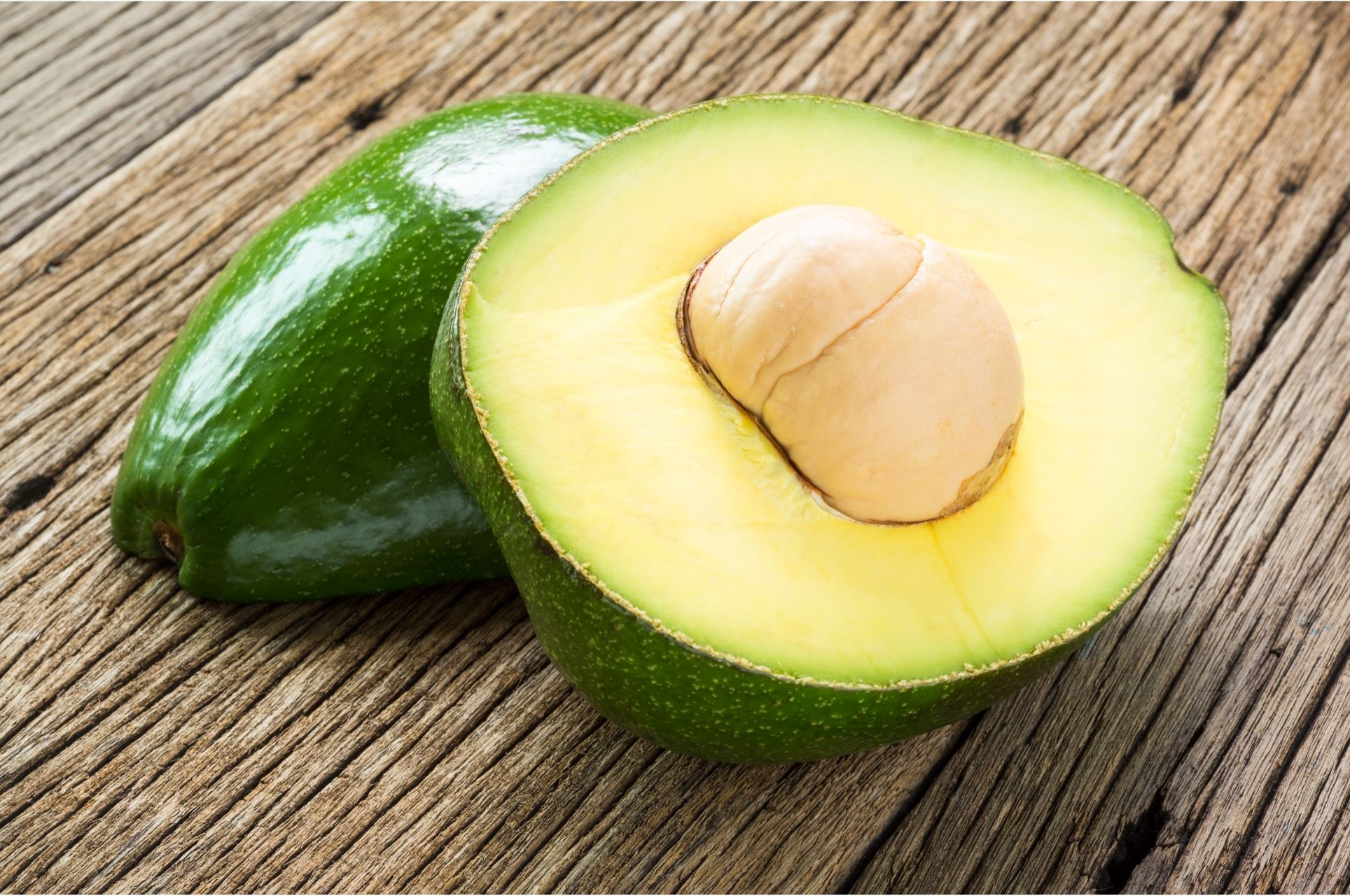
This is one of my favorite things on the list of what to eat during pregnancy. Avocados are a great source of monosaturated fatty acid, a healthy fat that helps the skin in brain and tissue development for the grown fetus.
They contain some fibers which help for digestion. Avocados are rich in folate, which is very important for developing the fetus preventing brain damage and spinal defect.
Avocado also has a lot of potassium. It helps relieve leg aches and cramps, a side effect of pregnancy.
It also contains Vitamin E, vitamin K, copper, and vitamin C. You can add avocado to your dishes. It could be used as an excellent spread for bread with mayonnaise for sandwiches, or you can use it on its own intend to cut down fat.
Use it in salads, in smoothies as a snack, on whole-wheat toast, etc. You can google more ideas on how to combine avocado in your dishes.
9. Cod Liver Oil

It can be taken as part of your prenatal vitamins. It contains Omega-3 fatty acid, which has EPA and DHA. This two are essential for brain development. They help protect the fetus from the risk of preterm labor and eye problems.
This oil also contains Vitamin D, which is necessary for bone development. Fishes with low Mercury like sardine, tuna, and salmon also contain the Omega-3 fatty acid in cod liver oil.
So you have to be careful of your intake of Omega-3 fatty acid because more than one serving can contain the required amount of vitamin A and vitamin D.
Since you can also get it from your diet and other sources, you do not want to take them too much to avoid toxicity.
10. Water

It is essential to take more water during pregnancy because you need it for the numerous processes in the body. The blood volume increases to about 45% during pregnancy, so you need a lot of water to make up for the additional blood volume.
Also, water helps a lot to relieve morning sickness, especially the symptom of vomiting. Try taking water cold in sips. It helps you drink water easily, especially when you feel like vomiting.
Constipation is a side effect of pregnancy that many women face. Taking water can help you prevent tough stool, urinary tract infections, dehydration which can show in symptoms like tiredness, thirst, anxiety, headache, and unrest.
Pregnant women should take about 2.5 liters of water every day. You don’t have to get that from only water. You can eat fluid-based fruits like watermelon, cucumber, oranges, berries. Take juice, take tea, drink smoothies.
All these can make up your fluid intake. Always have a water bottle at hand so that you do not get dehydrated. You can always add dashes of lemon or sprigs of mint leaves to spice up your water.
This tip is handy during the first trimester when you have morning sickness. Soda coffee is also a great way to take fluid, but it should not be taken too much because it could be harmful.
11. Salmon Fish

This fish has the right amount of fat, and it is packed with tons of other nutrients that are beneficial to the mother and the child. It contains the Omega-3 fatty acid, docosapentaenoic acid, and docosahexaenoic acid.
These are essential fatty acids that must be provided in the diet. They help reduce inflammation, reduce blood pressure, and the risk of diseases.
Salmon fish is also a great source of protein, vitamin B complex, and minerals, potassium, and selenium, which helps in brain function. It also helps in weight loss.
Salmon fish also contain an antioxidant, asthacin which helps reduce the risk of oxidation of bad cholesterol and helps increase the baby’s growth.
Indeed salmon fish should be on the list of what to eat during pregnancy. You can pair salmon fish with your diet and enjoy it. It is an excellent low-mercury fish that you can take while pregnant.
You may want to avoid fishes like sharks, swordfish, etc. They contain high Mercury.
12. Dried Fruits
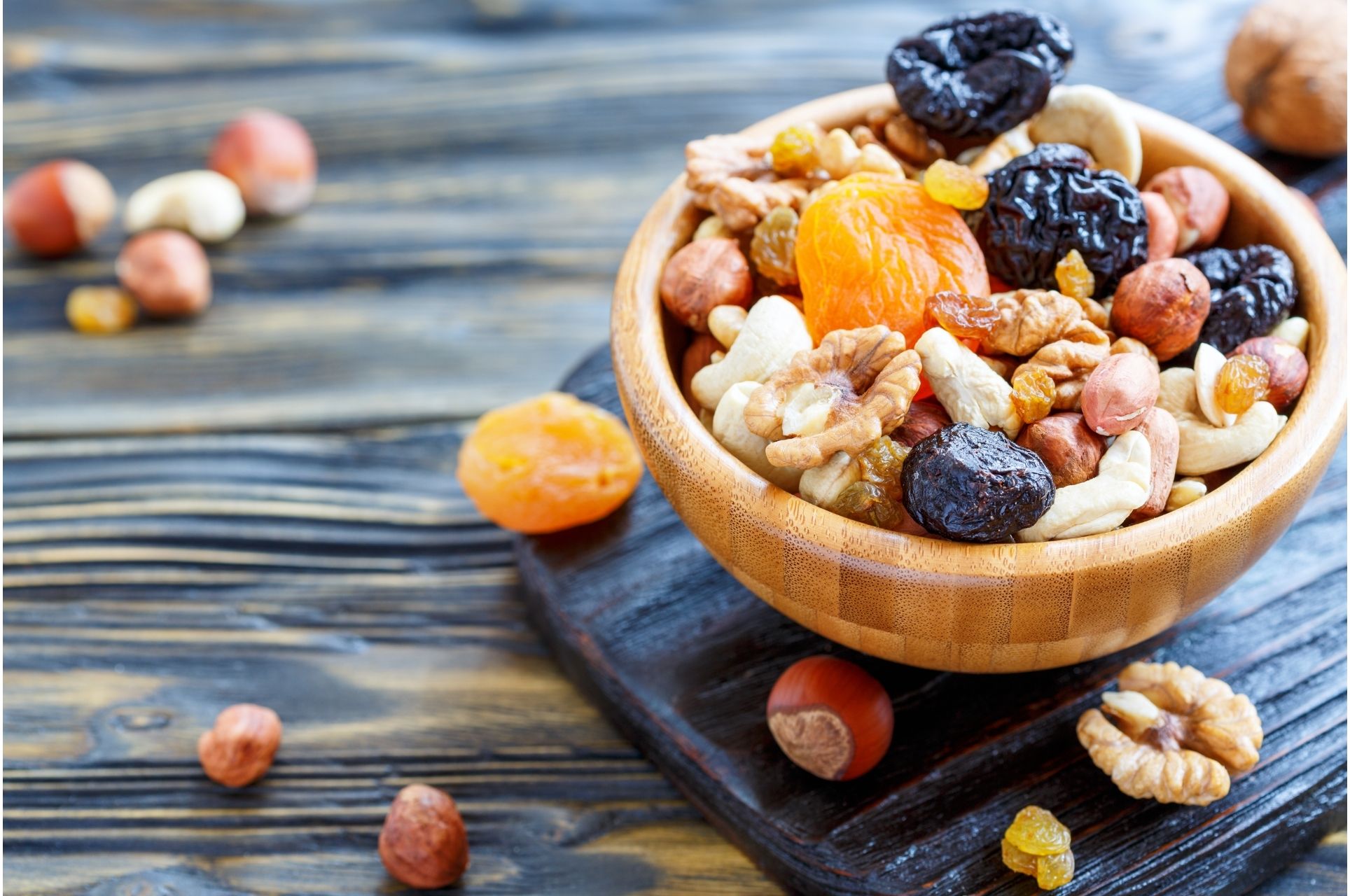
They are rich in fiber, vitamins, minerals, and calories. They are a great snack to eat while pregnant. Examples are walnuts, dates, prunes, and raisins.
Taking them can help constipation because they aid digestion of food because of the fiber that they contain. They are also a healthy dose, for instance, energy and an excellent antioxidant.
They include the antioxidant polyphenol, which has many benefits like improvement of blood flow, improvement of digestive health, and reduced risk of diseases.
This will also help to reduce the risk of congenital abnormality in the baby. Raisin is a dried grape that provides these health benefits. It helps control the blood sugar level. It lowers blood pressure it reduces inflammation.
Prunes are dried plums. It is highly rich in vitamin A, so it is suitable for the development of eyesight. It also helps with constipation.
It is an antioxidant, and it contains minerals Helpful for body function. There are other dried fruits you can incorporate into your diet to get a healthy dose of nutrients.
13. Walnut
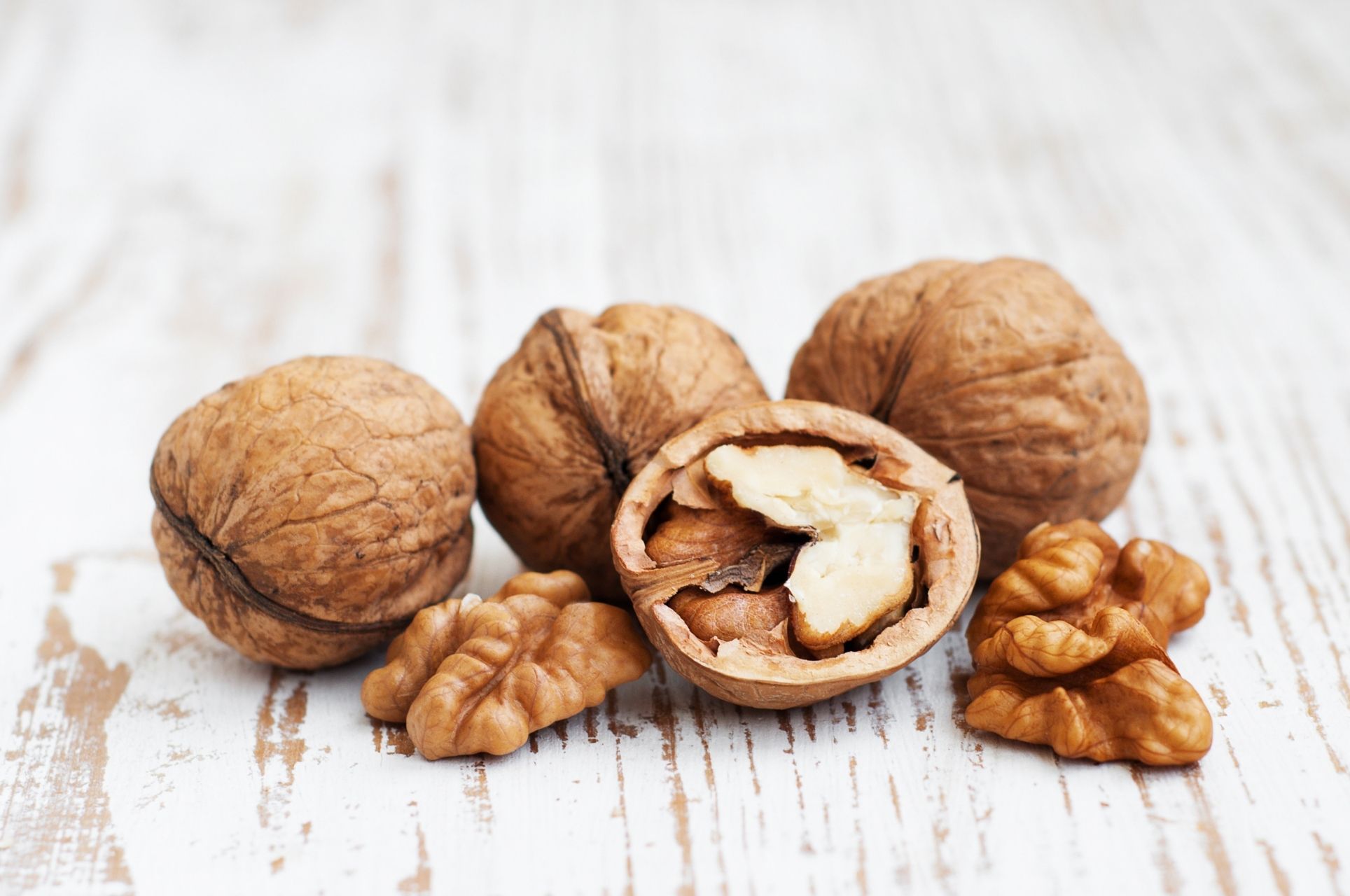
A rich source of Omega-3 fatty acids. We have listed above some of the great benefits of Omega-3 fatty acid, so you know how beneficial this nut is to you.
It also contains a host of other body nutrients like protein which is super helpful for the growth of the fetus. It contains fiber which helps to reduce constipation.
It contains magnesium, a mineral that is useful for the development of the fetus and helps in nerve and muscle function, and helps reduce the risk of congenital abnormalities. Walnut is great to eat alone, or you can add it to other dishes.
14. Colored Fruits And Veggies
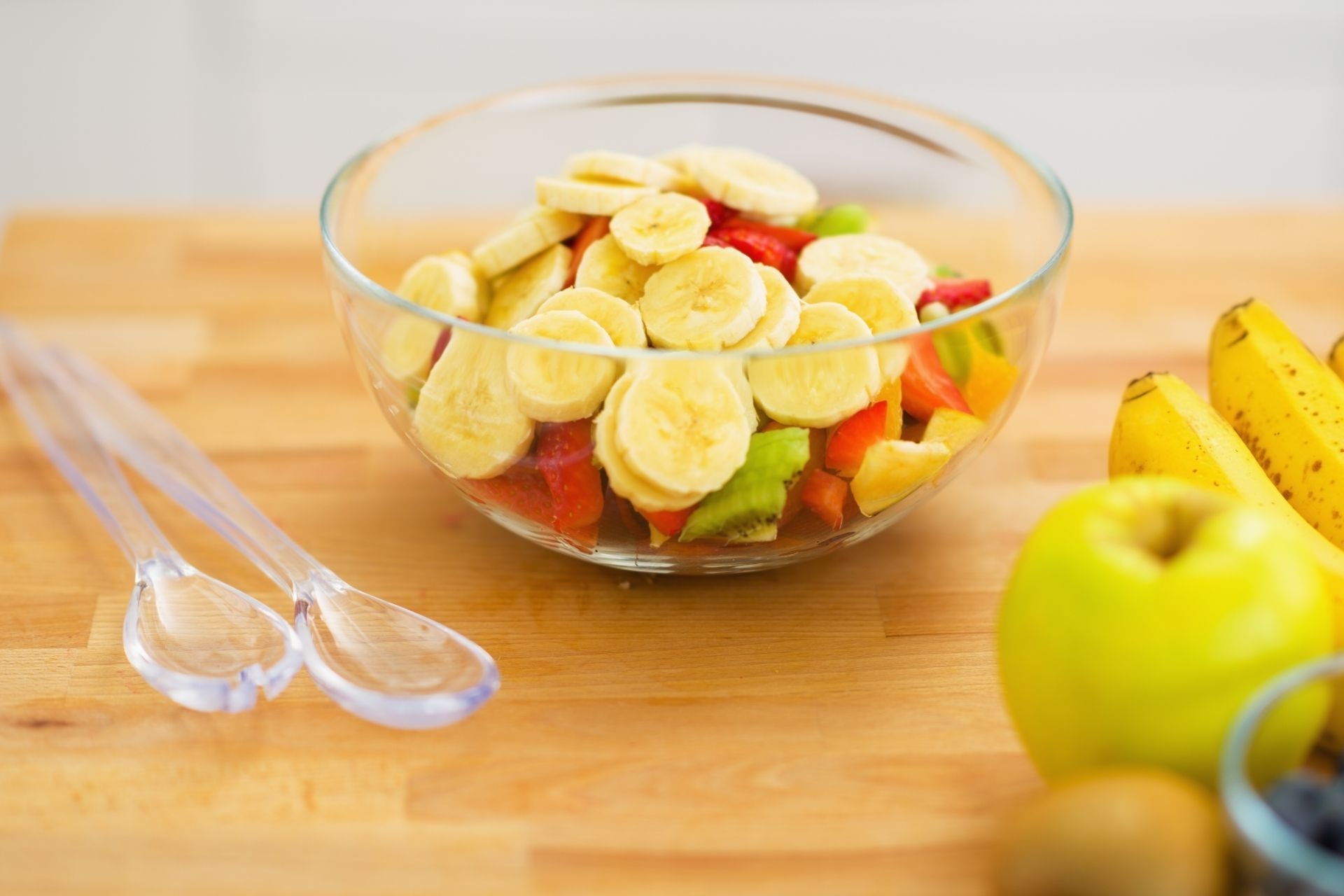
Stock up on a variety of fruits and veggies. The more colorful, the merrier.
They will help you with the needed nutrients, vitamins, and minerals like vitamin C. Oranges are rich sources of vitamin C. Iron, niacin, folate, etc.
These nutrients are necessary for essential body function. They also provide antioxidants. Examples of colorful fruits and vegetables that are a necessary part of what to eat during pregnancy are
- Berries
- Apple
- Watermelon
- Cherries
- Citrus fruits
- Mangoes
- Cucumber
- Pineapple
- Pawpaw
- Carrots
- Tomatoes
- Lettuce
- Cabbage
15. Oat
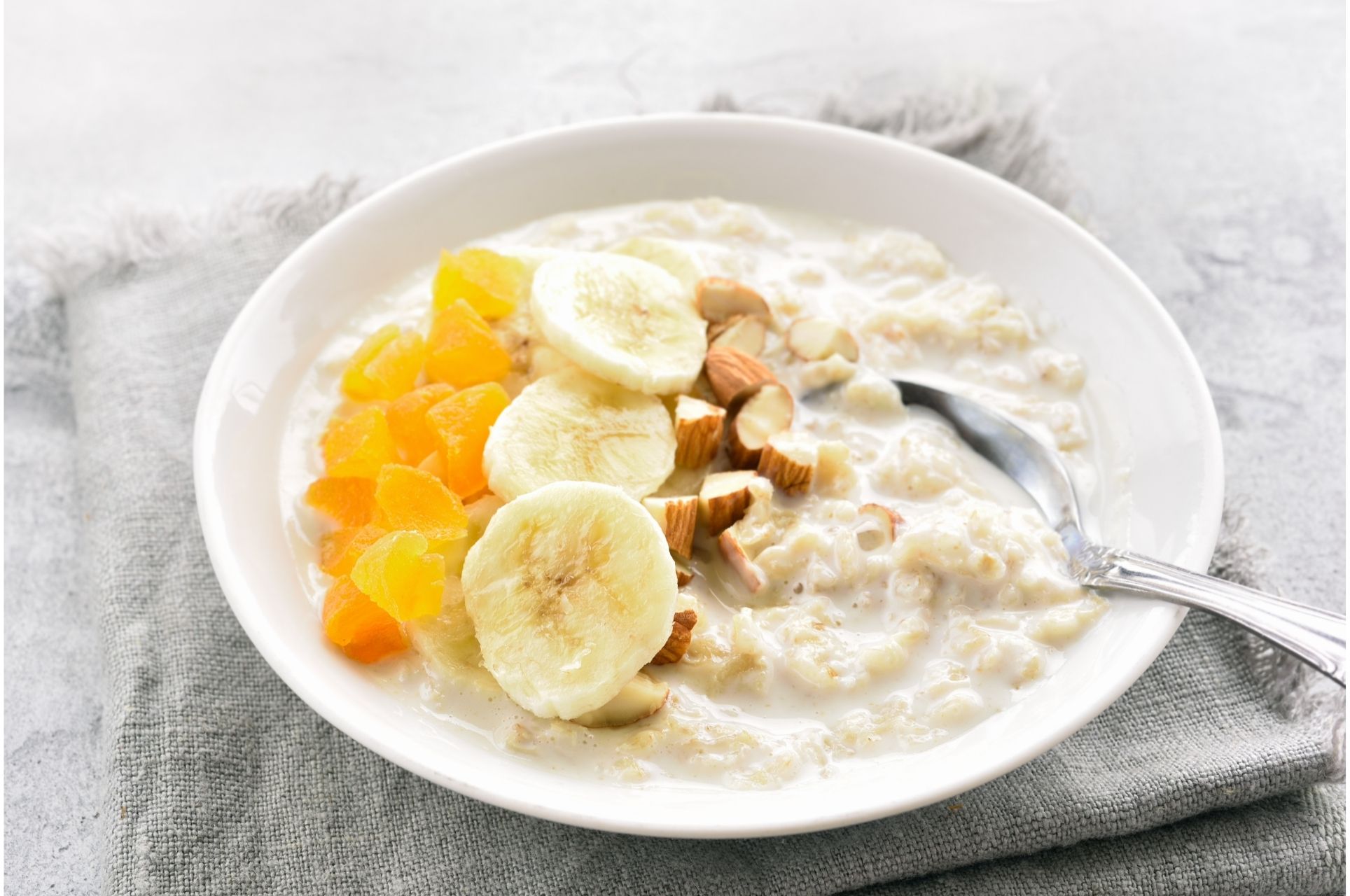
Oat helps you keep full without consuming too much. Oats contain lots of fibers. Taking oats can help avoid the most dreaded constipation that some women face in pregnancy.
It also contains magnesium which is a vital nutrient during pregnancy spice up your oats porridge with some nuts, berries, and any other thing to garnish so that you can have a nutrient-rich meal.
16. Greek Yogurt

It contains calcium, almost equal to regular milk. Calcium is needed for building strong bones and teeth in the fetus and for nerve formation and function.
Yogurt also provides good bacteria, which helps to reduce constipation in the mother and prevent yeast infection in the vagina.
It is always better to take plain yogurt rather than sweetened yogurt to skip the extra sugars you can add you go to your smoothies.
Eat them with some fresh fruit or take them on their own.
Conclusion
I hope this article has been helpful in providing insight on what to eat during pregnancy. Please make sure you don’t take any recommended food you’re allergic to in this article.
Meet your doctor before you pick meals if you have allergic reactions to certain meals. If you know anyone who might find this article helpful, ensure to share it with them.
Save this for later mama!