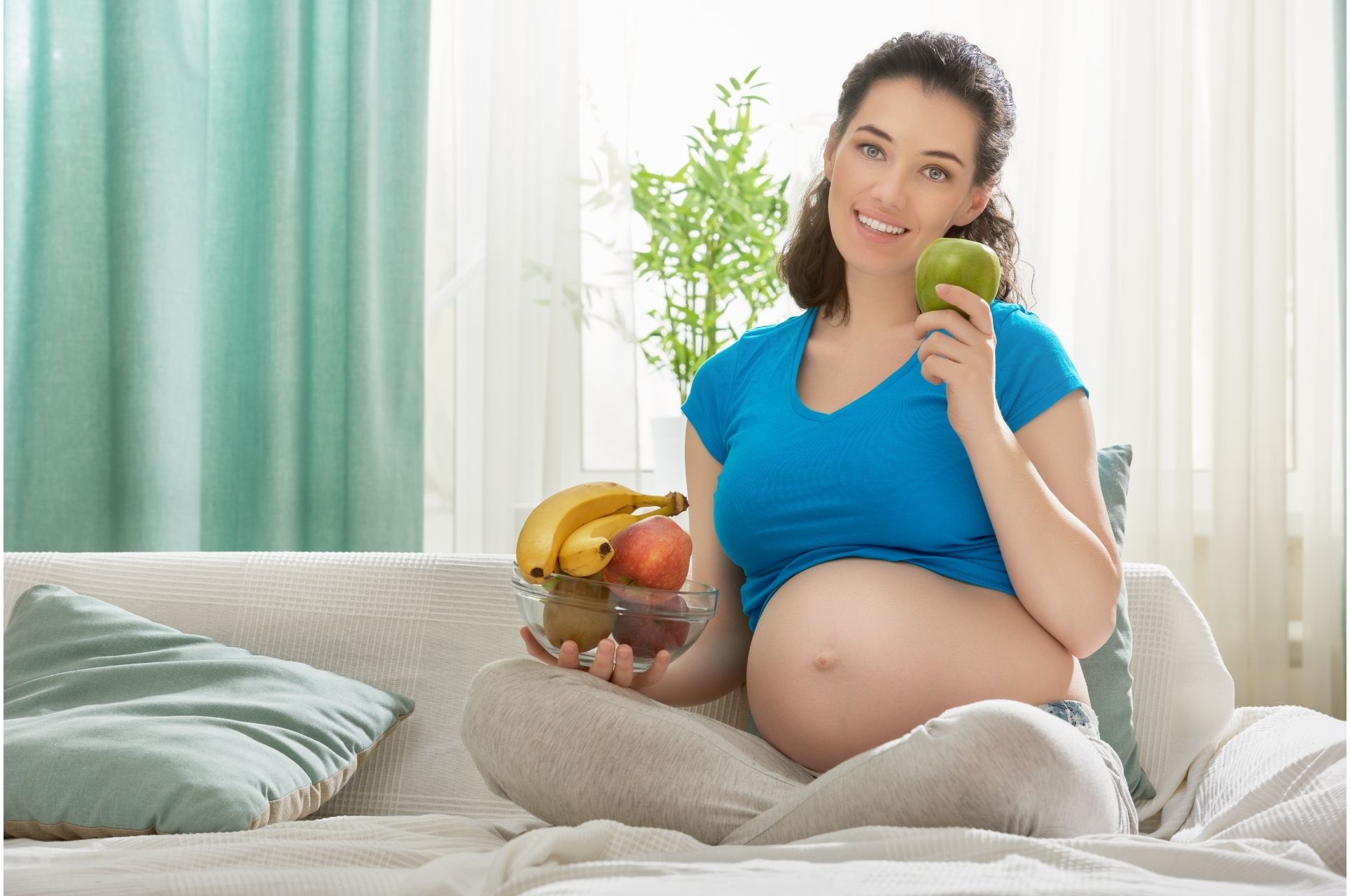
Once you find out you are pregnant, a lot of things run through your mind. Amidst the excitement and all, you will want to know how you can have a successful pregnancy journey.
While thinking of this, thoughts like the right foods to eat, pregnancy foods to avoid, a pregnancy routine to adopt, exercise, budgeting, etc, would run through your mind.
Food plays a vital role in pregnancy. It is essential for the early stage where the fetus will be developing rapidly and for the second and the third trimesters.
Therefore, to have lesser risks of abortions and congenital abnormalities in the child, you need to pick the foods you eat very carefully and observe some pregnancy precautions.
First-Trimester Pregnancy Precautions.
These are some precautions you should take during the first 1 to 3 months of pregnancy:
- Take prenatal vitamins.
- Avoid too many spicy foods.
- Do not smoke or stay in an environment where there are fumes.
- Reduce your caffeine intake.
- Intake avoid alcohol.
- Avoid wearing too-tight clothing.
- Wash fruits and vegetables thoroughly before eating.
- Avoid those foods that are raw or undercooked, especially meats and fish.
- Visit with a doctor early in pregnancy and register at a good hospital on time.
- Take medicines with direction from your doctor.
- Understand your body. Call the hospital in case of any bleeding, excessive cramps, or pains in the abdomen. Do not ignore any of these.
Second-Trimester Pregnancy Precautions
- Exercise to keep fit.
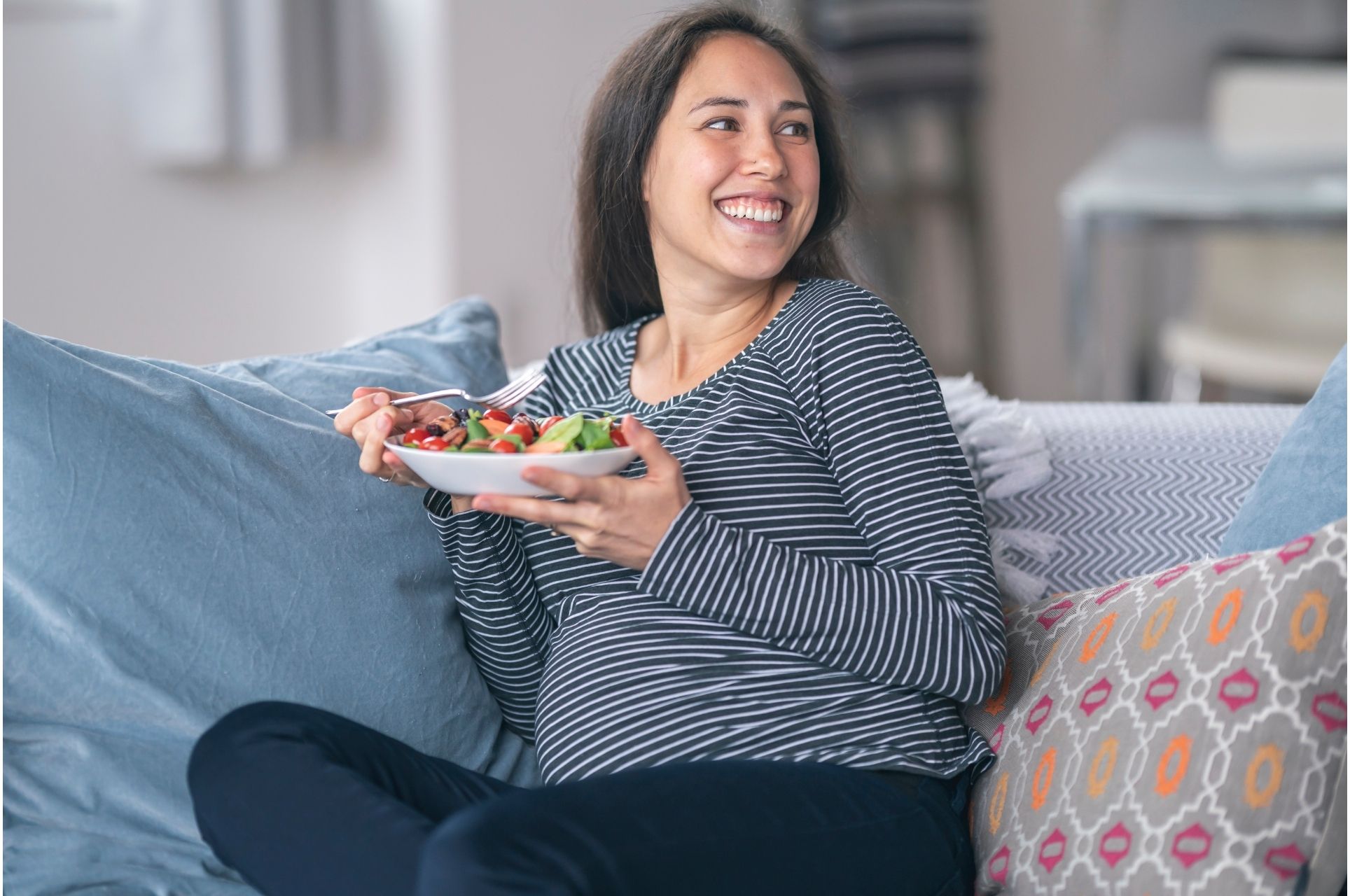
- Eat healthy meals.
- Do not overeat because of your cravings.
- Find ways to accommodate the growing belly bump.
- Continue the use of prenatal vitamins.
- Attend birth classes.
- Avoid exposure to smoke.
- Avoid that food that can cause problems for you and the baby.
- Avoid strenuous activities.
- Read, research, and learn more about your pregnancy.
3rd-Trimester Pregnancy Precautions

- Eat fibers and fruits.
- Watch your weight.
- Find ways to accommodate the growing belly bump and the weight.
- Drink lots of fluids.
- Exercise and be active but do not overwork yourself
- Learn about Labour. (check the post four stages of labor).
- Get plenty of rest.
For a safer pregnancy with a lesser risk of miscarriage, stillbirth, and congenital abnormalities, read below are some pregnancy foods to avoid.
1. Seafood With High Mercury Content

These seafood include shark, swordfish, ray, ling, southern bluefish, tuna, King mackerel, tilefish, etc. These fishes should be avoided during pregnancy because they contain high amounts of mercury that are toxic to the body. Mercury is a toxic element that can affect the body if it becomes excessive.
In humans, it affects the nervous system and the immune systems; it also affects the kidney. By the third to fourth months of pregnancy, the fetus is more sensitive to mercury.
If the mother takes fish or any seafood with high mercury content, it could build up in the bloodstream and pass through the placenta to the unborn child, affecting the brain function and nervous system.
When the child is born and starts growing, there could be developmental delays like delayed speech, delay in walking, reduced attention span, and memory loss—eating seafood with high mercury content in pregnancy foods to be avoided entirely.
You can still enjoy fish and other seafood while pregnant. Just make sure to eat those with low mercury content. Seafood with low mercury includes shellfish, prawns, oysters, lobsters, salmon, cod, etc.
Salmon contains DHA and EPA in Omega-3 fatty acid, which is essential for brain development, so you do not want to miss eating this fish while pregnant.
Since low mercury foods contain some amounts of mercury, it is advised to take a maximum amount of two ounces of these fishes a week. That is, eat low mercury fish at most three times a week.
2. Alcohol
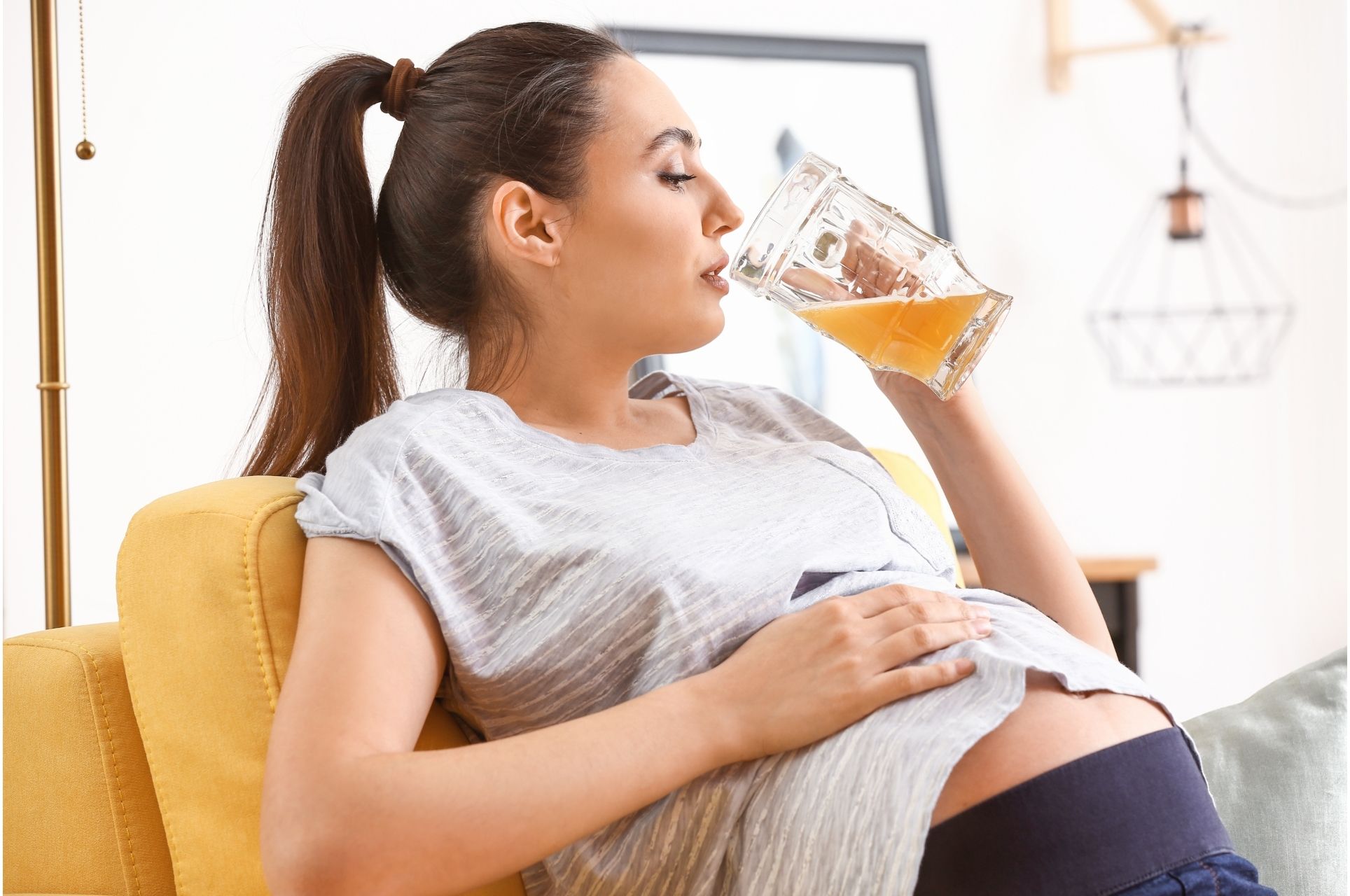
though it is not technically a food, since it is ingested, we can categorize it as a pregnancy food to avoid. No amount of alcohol is safe during pregnancy because it can pass through the bloodstream, move to the placenta, and then to the growing fetus affecting the baby.
Drinking one to three glasses of alcohol every day in pregnancy poses a risk of miscarriage. Since the baby has not yet developed fully, its body won’t break down the chemicals from the drinks. It can build up in its body and cause miscarriage.
There are other risks that alcohol poses to the unborn child. Problems like delayed growth, distinctive facial features, learning difficulties, behavioral issues, the tendency for the child to become an alcoholic in the future, miscarriage, premature birth, preterm labor. The infant will also have difficulty feeding after birth.
3. Caffeine Products

Like alcohol, caffeine is not technically a food, but it is categorized as a pregnancy food to avoid since it is also ingested. We find caffeine in chocolates, coffee, some teas, energy drinks, Cola, etc. Caffeine is a stimulant and a diuretic.
In pregnancy, there is lowered food metabolism and this may cause caffeine build-up in the body. If caffeine is taken too much, it can affect the baby and the mother. The chemicals in caffeine in the bloodstream can cross the placenta barrier and get to the baby.
Because it is in high amounts in the bloodstream, there is a risk of miscarriage. Other risks associated with high levels of caffeine in the bloodstream are low birth weight, fertility problems in the child later in the future, and congenital disabilities.
It could cause high blood pressure in the mother, diarrhea, and dizziness. Since caffeine is found in chocolates and most soft drinks, you may not know when you take it excessively.
To avoid too much, stop taking coffee or reduce its intake to 1 cup a day only because coffee contains the highest amount of caffeine. You may take decaffeinated coffee or green teas instead.
4. Unpasteurized Milk Cheese And Juices

Pasteurization is a process that involves sterilizing some packaged perishables like milk, cheese, wine, etc. At a temperature of fewer than 100 degrees Celsius, so these products can have a longer shelf life and be safe for consumption.
Some persons prefer taking milk raw without pasteurizing. If you are one of such, know that it isn’t safe, especially in pregnancy.
Pasteurization helps to sterilize food products reducing the risks of infections during pregnancy. You should altogether avoid any products that are unpasteurized.
Unpasteurized milk, cheeses, juice, or wine that you consume can contain pathogens. One common pathogen in unpasteurized perishables is listeria. It causes a condition called listeriosis.
The bacterium listeria is a monocyte gene. Pregnant women are more susceptible to this bacteria. It can affect the unborn child causing congenital malformations. Other pathogens that can be present in unpasteurized products are E. coli and campylobacter.
They pose a risk of miscarriage and congenital malformations. It would help to always read through the labels of milk, cheeses, and wines to ensure that they have been pasteurized. If you eat out, ask what kind of cheese or milk is served.
5. Unwashed Food (Fruits And Vegetables)
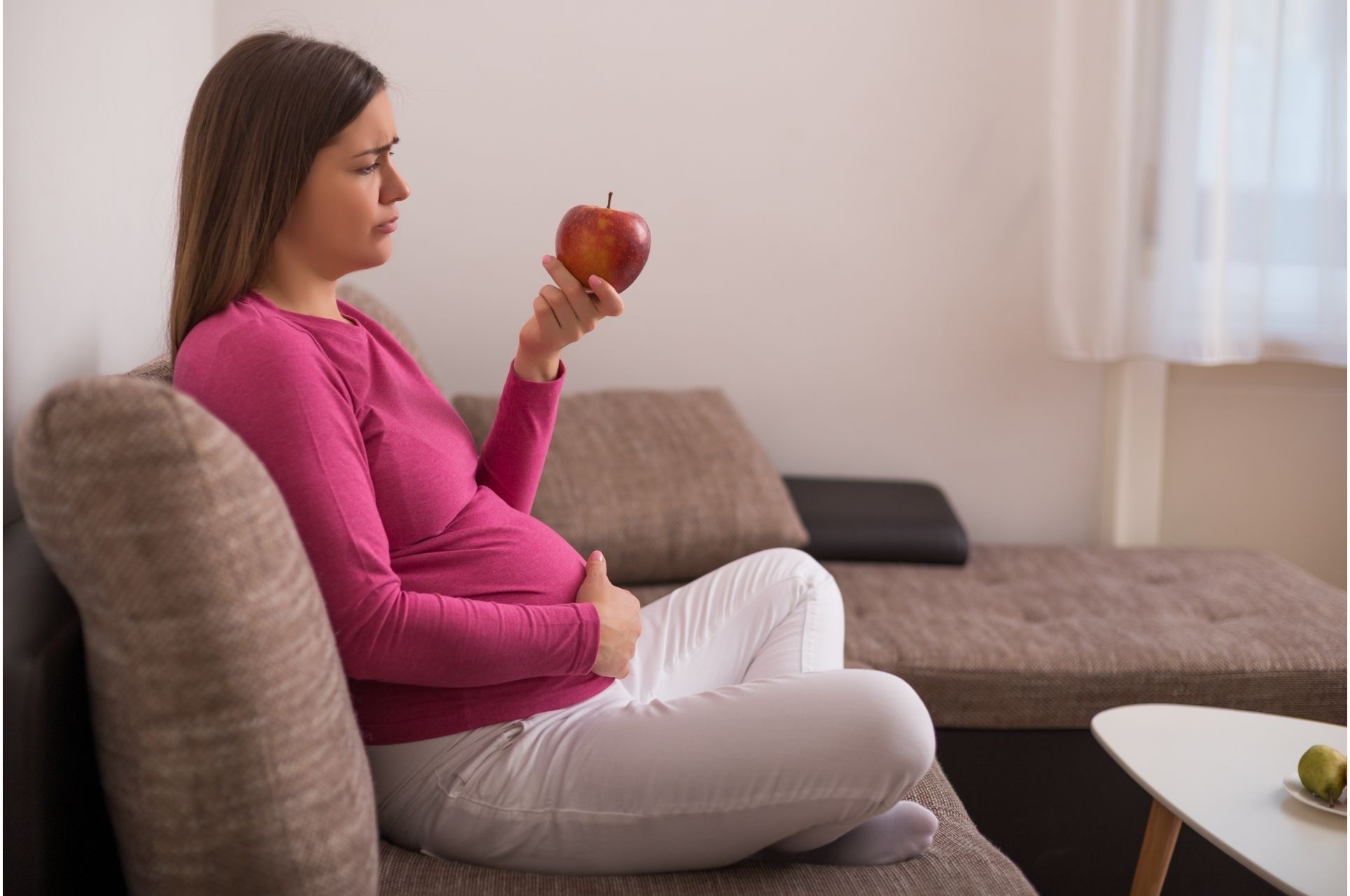
Eating foods that have not been washed during pregnancy should be avoided completely because surfaces and outer skin of fruits, vegetables, and other products can contain pathogens like toxoplasmosis, E.coli, salmonella, listeria.
All these can be gotten from the farm where they were grown, the soil, during packaging, storage, transport, etc. If ingested, the toxins can get to the unborn child.
One notable toxin worth mentioning is toxoplasma gondii. It is gotten from cat feces and it is hazardous for an unborn child.
Food can be infected with Toxoplasma gondii when left exposed. Toxoplasma gondii causes the infection toxoplasmosis. Sometimes the mother does not show any symptoms, but it does affect the unborn infant at the womb.
No sign is observed at first, but after, it can cause blindness, problems in the brain damage of the intellectual ability. To avoid all these, eating any food that is not washed is a complete No-No. Please make sure you thoroughly wash your fruits and vegetables in running water before eating them.
6. Raw Or Partially Cooked Eggs
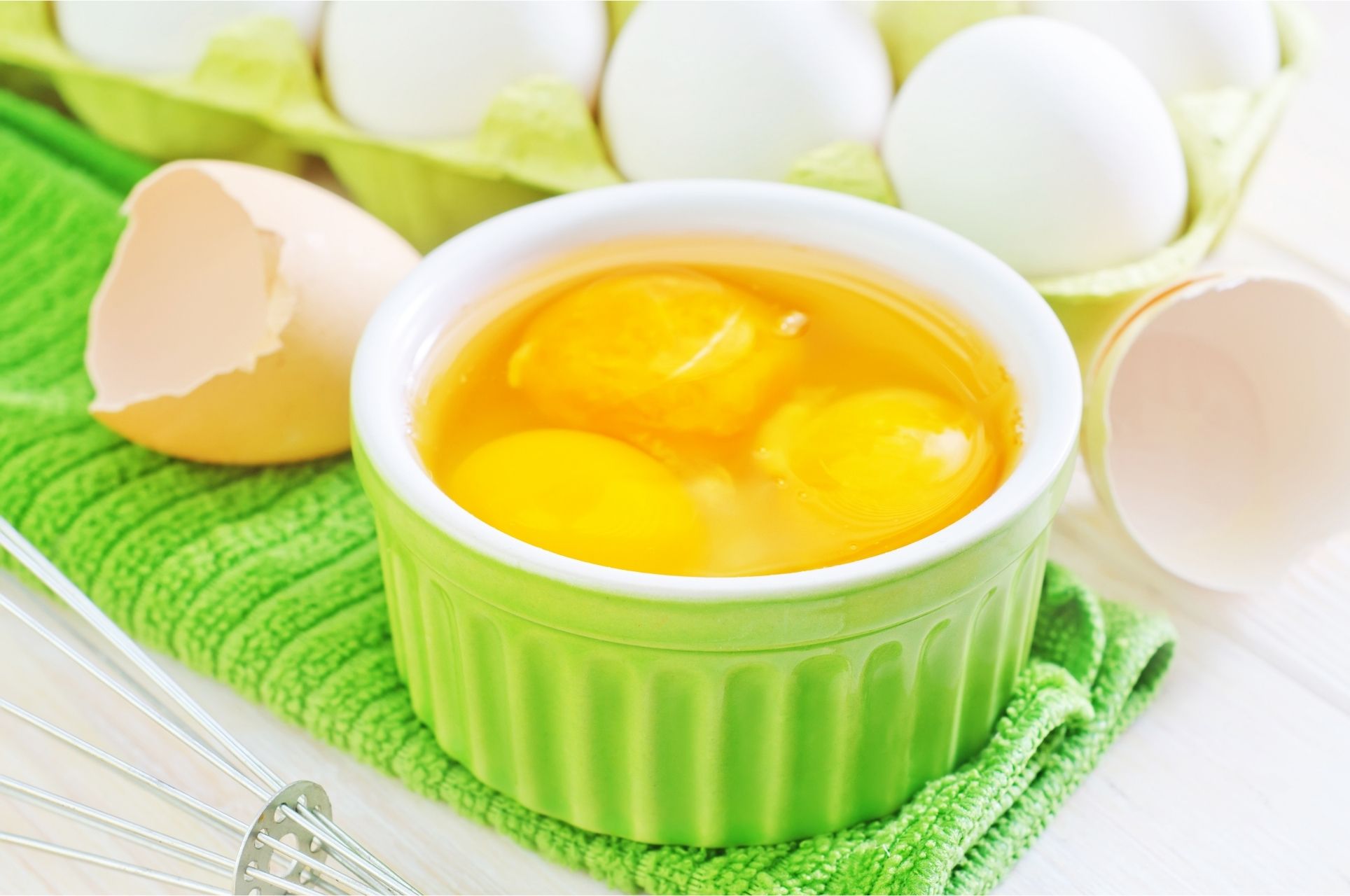
These are also pregnancy food to avoid because they can put the mother and the unborn child at risk of salmonella poisoning which can cause diarrhea, vomiting, fever, and nausea in the mother. It can also affect the fetus in some cases.
salmonella bacteria can cause cramps in the uterus, which makes the mother have risk of stillbirth and preterm labor. You are at risk of salmonella poisoning if you eat lightly scrambled eggs, homemade mayonnaise, royal icing, ice cream, salads, etc.
If you have to take these foods, please use pasteurized eggs to prepare them because they have been heat-treated and safe.
As a caution, always read through the labels of products that contain eggs before buying, avoids tasting batter or dough, icing, or meringue, which includes eggs that have not been pasteurized, cook eggs properly before eating.
7. Raw, Undercooked, Or Processed Meats.

These are also pregnancy foods to avoid. Eating foods raw or unwashed puts you at risk of infections from pathogens like Toxoplasma gondii, E.coli, listeria, and salmonella.
These pathogens can affect the mother, but more risk is on the unborn child. Serious risks caused by these pathogens on the unborn child include stillbirth, neurological problems like blindness, disability, epilepsy, speech impairment, etc.
It is best to cook meat thoroughly before eating. Avoid partially cooked meats also as there might be chances that some pathogens are still in them.
Taking processed meats without reheating is also risky. Meats you should avoid during pregnancy are burgers, hot dogs, deli meats, sushi, etc.
8. Raw Or Undercooked Fishes

Bacteria, viruses, and other pathogens can also be present in undercooked or partially cooked fishes. Some pathogens you may find in undercooked or raw fishes are vibrio, salmonella, and listeria.
Pregnant women are more susceptible to these pathogens. The pathogens can affect both the mother and the child.
A woman who takes partially or uncooked fish is at risk of stillbirth and miscarriage. The unborn child is at risk of congenital abnormalities.
So avoid taking smoked or grilled fishes is during pregnancy. Some fish in sushi, raw shellfish, smoked salmon, jerky, lox, kippered should also be avoided because they may contain listeria.
9. Liver And Other Vitamin A-Containing Products

Vitamin A is essential for the baby and the mother’s health, but it could cause a risk of stillbirth, miscarriage, and congenital malformations when it is in high amounts.
If your prenatal multivitamins already contain Vitamin A, eating liver and other foods containing vitamin A should be avoided or drastically reduced.
10. Pineapple
Pineapple contains the chemical bromelain. When you are not pregnant, bromelain isn’t harmful to the body. It functions to reduce pains, helps in healing, reduces muscle soreness, aids digestion, reduces inflammation, it even helps with weight loss. But in pregnancy,
bromelain taken from pineapple or as bromelain capsules must be avoided. When bromelain is taken in pregnancy, it softens the cervix so there is a risk of miscarriage.
11. Aloe Vera

It is very beneficial any other day but not in pregnancy. Aloe Vera contains anthraquinones. They are laxatives that, if ingested when pregnant, can cause uterine contractions and pelvic bleeding.
It can lead to miscarriage or threatened miscarriage, so avoid eating Aloe Vera in pregnancy. It is, however, safe to use in the skin during pregnancy.
12. Papaya
Papaya is a pregnancy food to avoid, especially when eaten unripe or when the skin is still green. The skin and the seeds contain enzymes that, if ingested, can act as a laxative.
It is good to take papaya on a regular day if you want your bowels cleared, but during pregnancy, these laxatives can cause contractions in the uterus, making you at risk of miscarriage.
13. Certain Herbs

Some listed herbs can be risky at pregnancy because they contain steroids and antioxidants that may cause contractions and affect the unborn child. However, not all herbs are harmful during pregnancy.
Some herbs are quite beneficial because they contain antioxidants that help build the body’s immune system, impact vitamins and minerals, prevent infection, are effective against colds, and are helpful in morning sickness.
These herbs include ginger, garlic, fenugreek, chamomile, red raspberry leaves, thyme, green tea, etc. However, not all herbs are safe to take during pregnancy and breastfeeding because they can cause jaundice, preterm labor, liver damage, brain damage, etc.
Herbs to avoid during pregnancy include Dong quay, passionflower, goldenseal, Ephedra. Before you take any herb, it is advisable to get clearance from your doctor, especially if yours is a high-risk pregnancy.
You know the required amounts to consume per time because sometimes too much of even the safe pregnancy herbs may also become harmful.
14. Junk Foods
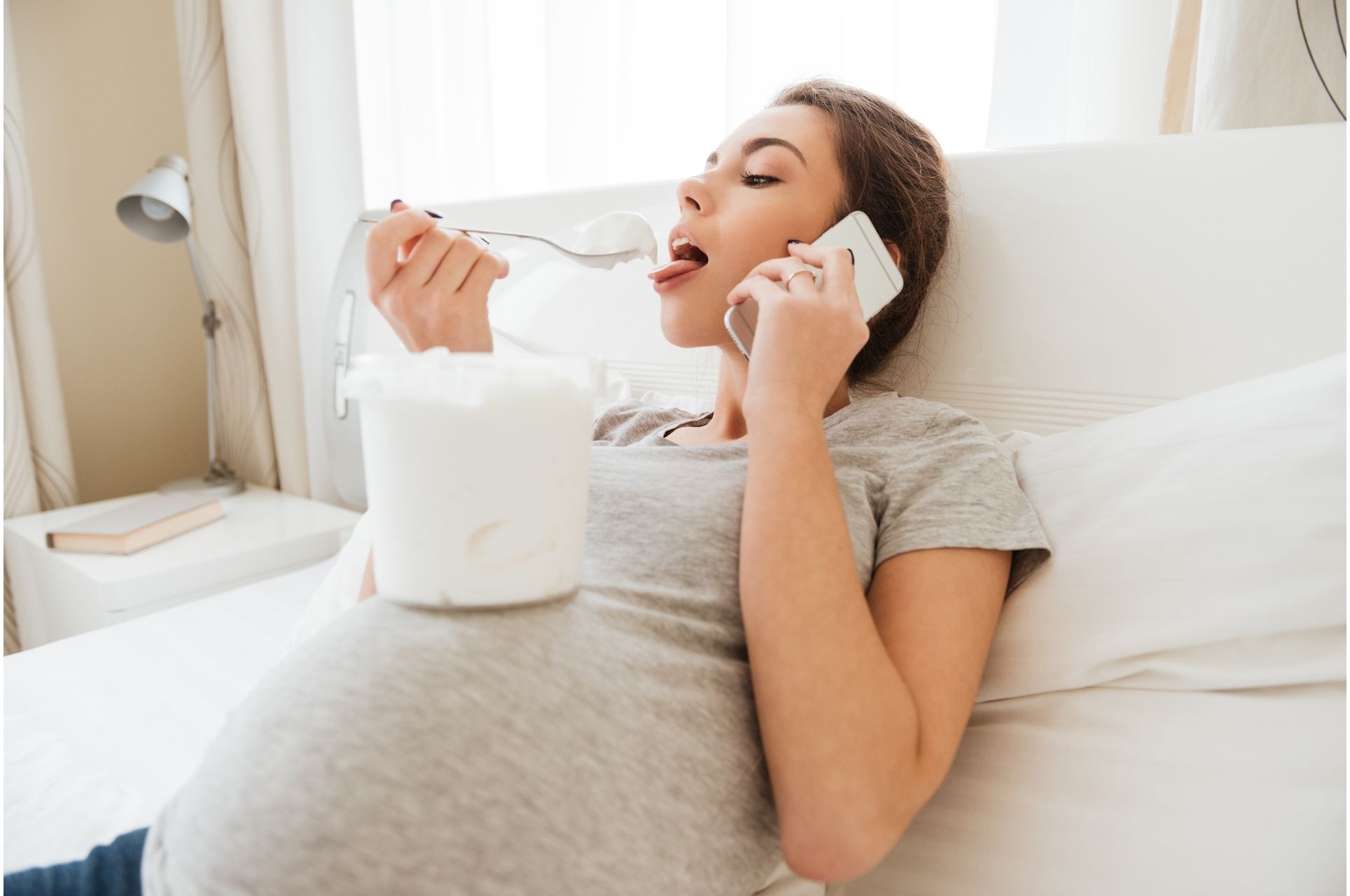
They do not provide the body with the required nutrients for the growth and development of the body in pregnancy. They only provide calories, sugars, and fats.
They should be avoided or taken very minimally as they can cause overweight for the mother, which can be risky to the baby (you may want to check the post on how to have a belly-only pregnancy to learn more about maintaining the ideal weight during pregnancy). Junk foods also put one at risk of gestational diabetes, heart problems, and indigestion.
If you can maintain a good diet, sticking to the right foods, you have a higher chance of a risk-free pregnancy.
Save this for later!
