
Various side effects and symptoms accompany pregnancy. The common ones being morning sickness, mood swings, tiredness, etc.
But did you know that bleeding gums, skin itchiness, or even iron deficiency is a pregnancy side effect?
I doubt you knew about these because people hardly talk about them. Sometimes women do not even know they are side effects of pregnancy.
We are going to be seeing many more of these “not so talked-about pregnancy side effects shortly.
Meanwhile, here are some early pregnancy side effects you can expect within three days of pregnancy.
Early Pregnancy Side-Effects
Some of the early pregnancy side-effects experienced by pregnant women are:
- Fatigue and weakness which is linked to anemia.
- Sore, swollen, and sensitive breasts.
- Cramps in the abdomen and feet.
- Headache.
- Mood changes.
Pregnancy Side Effects On The Skin

Many pregnancy side-effects are noticeable in the skin. Some are:
- Darkness in the areola.
- Bumps around the areola are called Montgomery tubercles cells.
- A changing pigmentation in the skin is called melasma. It is mainly seen as patches in the nose, cheeks, forehead, etc.
- Skin tags in the neck, chest, back, etc.
- Stretch marks occur as a result of stretching of the skin. The areas of the skin that it is predominant are the belly, underarm, butt, breasts.
- Pimples.
- Varicose veins.
- Spider/crisscross veins.
- Dryness of the skin.
- Oily skin.
- Redness of the Palm.
- Linea nigra (the line across the abdomen of the baby bum).
Side Effects On Third Trimester

Below are some of the side effects of pregnancy usually experienced in the third trimester
- Increased abdominal cramps are called Braxton Hicks contractions.
- Pelvic pains.
- Heartburn.
- Shortness of breath.
- Constipation.
- Frequent urination.
- Swelling or bloating.
- Fatigue.
- Cravings.
- Varicose veins.
- Itchiness of the skin.
- Increased body temperature.
- Sore and bleeding gum.
- Increased vagina discharge.
Now to the main reason we are here are those pregnancy side effects we hardly hear about. Below are ten you don’t want to miss.
1. Bleeding Gums

As a pregnancy side-effect, some women notice that the gum bleeds while brushing. It is mainly a result of gingivitis. Gingivitis is an inflammation of the gum leading to swelling and easy bleeding.
While poor oral hygiene is the leading cause, in pregnancy, the hormone progesterone is the culprit. The teeth and gum can become very susceptible to inflammation because of the progesterone. Hence, there is swelling and bleeding in the gums. To avoid this, try some of these tips:
- Avoid too much sugar. It can build up in the teeth and causes plaques and cavities, leading to inflammation in the gums.
- Practice good oral hygiene by brushing twice a day (in the morning after breakfast and at night as the last thing you do before bed).
- If you are particularly worried, go for a tooth cleaning. It can help clear the plaques and cavities already present in your teeth.
- Avoid smoking and alcohol.
- If you are experiencing morning sickness, always ensure you rinse your mouth after vomiting. These tips will help decrease this side effect.
2. Acne Breakout

The pregnancy hormone can cause sebaceous glands in the skin to become very sensitive, and the face that was once was smooth will be filled with whiteheads, acne, and pimples.
It could be very annoying and disturbing, but the good thing is that it only lasts a while. I was really thrilled l that this side effect did not affect me during pregnancy as I do not love pimples.
Instead, I had a beautiful pregnancy glow until late in my last trimester, when my skin began to discolor. If you have pimples on the face during pregnancy, do not fret. It is for only a time. Good personal hygiene would minimize the pimples and rashes on the skin.
Also, good makeup products can help to mask pimples too. PS: avoid pimples creams or ointments with chemicals like Accutane, Retin-A, and tetracycline.
It is best to research any product before using it on the skin while pregnant, as some of these chemicals can cause congenital disabilities in the baby. Though some products are safe, ensure you get a prescription from a doctor.
3. Leg Cramps
The tightening pain and weakness of the leg is a pregnancy side effect. Leg cramps can disrupt your sleep and rest, disrupt moving around and generally cause discomfort in the leg.
Leg cramps is linked to the pressure caused by the extra weight of the baby Or compressed blood vessels. If you have leg cramps, you can try out these tips: sit down on the bed or chair, elevate your legs, and try to touch your big toes.
Exercise your toe by stretching it and pointing it outwards. Stretch out your feet upwards for 30minutes. You can also do this exercise, rotate your foot in a circular motion eight times.
Avoid wearing tight socks or shoes, and make sure you have comfortable shoes on, especially those with thick light soles. Avoid walking for long distances, especially if you have a baby bum already. Rest your feet when it hurts. You can also have someone massage it for you.
4. Bloating Or Swelling

It is a significant pregnancy side-effect. I am yet to see any pregnant woman that has not experienced this pregnancy side effect. Some women can experience swelling in the first trimester, others second trimester, and others in the third trimester.
You can experience swelling in the face, hands, feet, Or ankles. Swelling and bloating occur because the body holds more water at this time, especially in those areas.
To manage this side effect, raise your feet above your heart level. Exercise the feet, ankles, and toes. Avoid standing or walking for too long and wear comfortable shoes.
Excessive swelling can be a sign of preeclampsia. Consult your doctor if the swelling is very pronounced for appropriate management and treatment.
5. Excessive Gas
The higher level of progesterone and relaxin in the body during pregnancy can cause muscle relaxation in the gastrointestinal tract to slow down.
It results in slow digestion of food and leads to gas production in the food eaten, and it causes excessive burping, belching, or farting.
To manage this side effect, try to eat smaller portions of a meal at frequent intervals and drink lots of water and fluids.
6. Changes In The Skin Pigment

Accompanied with swollen faces and pimples or rashes in the skin, some women also experience changes in the skin pigment as a pregnancy side effect.
Hormonal changes can cause the melanin cells to increase, causing darkening in the skin.
You can notice this as darkened areola, a faded or duller skin color, the characteristic line that runs through the belly bum called Linea nigra, or as random pigments or blotches on the skin called chloasma.
If you experience this pregnancy side effect, try not to be bordered so much, for it would only last a while. Practicing good personal hygiene Is necessary to rejuvenate your skin back.
Try also eating healthy meals and taking prenatal vitamins. Use pregnancy-safe moisturizers on the skin. Avoid stress as it can cause an increase in this.
Avoid too much exposure to the sun. Wear sunglasses, sun hat, suntan, any other thing that would prevent sunburn. Darker women usually experience these changes in the skin so much because they have higher melanin, but as the pregnancy progresses or after delivery, it fades off.
7. Stretch Marks
Stretch mark is another pregnancy side-effect. Some women are more prone to stretch marks than others. Since the skin is elastic, if the baby bum and other areas expand due to increased weight, It can cause stretching and loss of the skin’s elasticity.
The collagen fibers underneath the skin break up when the skin loses its elasticity. It is what causes the red stripes, pinkish or purplish strips that we see as stretch marks.
It is most predominant in the belly. There are no hundred percent treatments for stretch marks as skin types differ. But there are good remedies to try out.
On the post on how to prevent stretch marks during pregnancy, there are outlined remedies that are very helpful to minimize and prevent stretch marks. Some treatments like coconut oil and sugar, moisturizers, and good nutrition are essential to decrease stretch marks.
8. Skin Itching

Elevated body temperature can result from pregnancy because of the numerous processes taking place in the body. All these can make you hot, sweat quickly, and the skin becomes itchy. It can cause skin rashes.
Itchiness in the skin can also result from the stretching of the belly bump and the hormones estrogen. To reduce itching and hotness, dress according to the weather.
In hot weather, it is advisable to wear light clothes to get air in your body. In colder weather, you can wear thicker clothes but ensure there’s a fan nearby whenever you feel hot.
Whenever you feel hot and itchy, try to take a shower so you can feel refreshed. Avoid using harsh soaps and products that can affect the skin because the skin is sensitive.
Avoid too many moisturizers and anything that would cause overheating or would elevate the body’s temperature. If the itchiness is unbearable, you should visit the doctor for appropriate drugs, as trying out pills and ointments on your own can be harmful.
9. Pelvic Pain
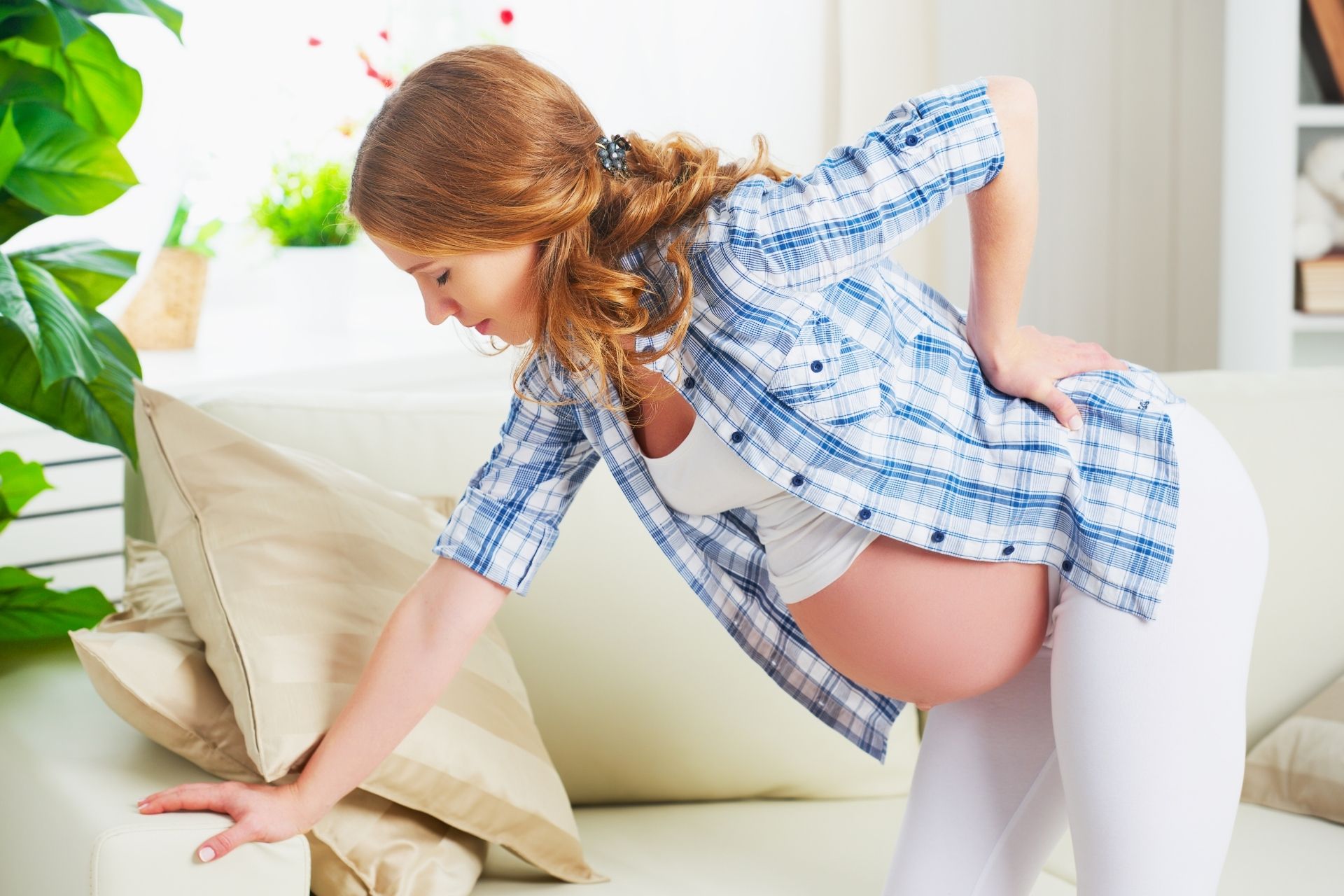
It is called pregnancy-related pelvic girdle pain (PPGP) or symphysis pubis dysfunction. It affects pregnant women causing intense pain in the lower abdomen, lower back, waist, butt, etc.
Some ways to manage this pain are taking things slow when you are already heavy and avoiding overactivity. Do not stand for too long. Sit down to dress up if you feel discomfort.
Avoid extreme work out and those exercises that would worsen the pain. Avoid carrying heavy objects. Your knees should be together when you leave a car. While swimming, avoid the breaststroke technique.
Body massage is also a great way to ease stiff muscles and pains. You can register for physiotherapy sessions to help with massage. Women with this pregnancy side-effect also experience pains between the vagina and groin area, a grinding sensation in the pubic area.
The pain can also occur when changing activities such as standing, walking, rolling in the bed or climbing the stairs, parting the legs, or leaning on the legs.
The stiffness of the joints in pregnancy can cause inflammation which leads to this condition. The pain can be categorized from low to medium to severe pains. I had medium pains in the pelvic region, and it was really discomforting.
The pain can affect your everyday activities especially sleep. The above remedies help, but if the pains become too severe, you should see a doctor as early treatments make a huge difference.
Remedies to try out include acupuncture, hypnosis, prenatal yoga, pain medications, pregnancy support belt, hands-on therapy, pelvic floor exercises, water exercises. Note that you should use only those approved by the doctor.
10. Anemia

It is very likely to get anemia as a side effect of pregnancy because the body is working extra.
To make up for the growing demand of the baby, you may have a deficiency of red blood cells in pregnancy if you do not eat well.
It can result in fainting and dizzy spells, a pale look, extreme tiredness, a sicky feeling, breathlessness, and heart palpitations.
Anemia develops in pregnancy because of insufficient red blood cells.
It also causes symptoms like lack of energy. Most of the anemia in pregnancy results from the the deficiency of iron, vitamin B12, folate, and folic acid. To avoid all these, take your prenatal vitamins regularly, eat balanced and healthy meals.
Avoid caffeinated and sugary foods, especially when eating, because they interfere with iron absorption. Instead, take fruits like kiwi, vitamin C containing fruits, citruses, broccoli, potatoes, and parsley. They help in the absorption of iron.
Eat food like iron-fortified meals, nuts and seeds, beans, and dark leafy vegetables. Women who are predisposed to anemia during pregnancy have had a child the previous year, of age 20 years and below, have a history of heavy bleeding while menstruating, are vegan or vegetarian.
Immediately you are pregnant, a blood test is conducted, and you will know if you have anemia. If you experience these symptoms in pregnancy, you should see your doctor, especially if it is always constant.
It could affect the baby’s development, birth weight and making the body have difficulty coping during labor. Proper treatments will help you avoid all these.
Indeed pregnancy is a complex psychological state, and it shows by the symptoms and side-effects women feel. The side effects experienced differ from woman to woman, and these side effects will only last a while.
Save this for later mama!
