
An important question to ask your medical practitioner as a first-time mom is when do you start showing with first pregnancy?
Some say it differs based on factors like age or weight, while others say it varies for different women.
Read on to get an idea of when women should start showing in their first pregnancy; the factors can determine when a woman is showing, and when to worry if you are not showing in pregnancy.
This also includes frequently asked questions from first-time moms about showing in pregnancy, and many other things you need to know about showing in the first pregnancy.
First, let’s talk about the development of the baby bump.
Your Baby Bump Development
One of the signs of your first pregnancy showing is the baby bump. The development of the fetus in pregnancy differs from person to person.
So you may ask when you start showing with the first pregnancy. On average, at 12 weeks, your child will be roughly the size of a lemon.
After that, you’ll start to detect a tiny bump as your uterus grows to make room, even if others might not be able to see it.
Your baby may be the size of an avocado as you near week 16. And you’ll probably observe noticeable changes by weeks 20 and 24 weeks.
Your baby will be the size of eggplant when you start your third trimester at 28 weeks and the size of a pineapple when you reach week 35.
Your kid could grow to get the size of a watermelon as your due date draws near! By this time, you’ll probably seem pretty full because your body also stores extra fat needed to sustain the baby and amniotic fluid.
Advice/ Tips For Showing Your Baby Bump
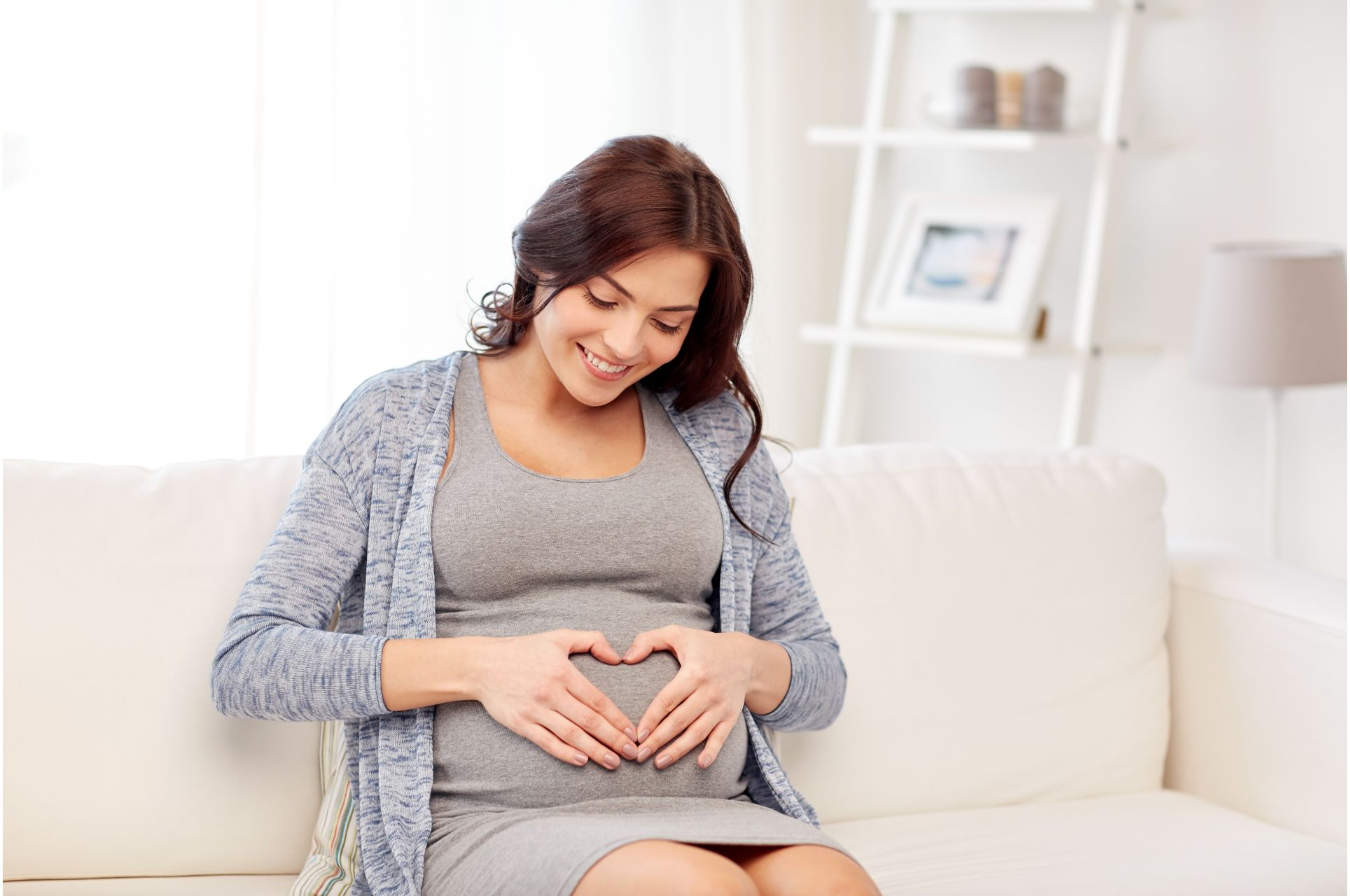
Do you want to keep your baby bump hidden for a bit longer, or are you ready to flaunt it? Here are a few pointers and strategies to help you adapt to your changing body.
1. Covering The Bump
You can still dress up before you’re prepared to make a statement about your pregnancy. Wearing loose-fitting clothing is your best chance to keep your special news a secret.
This means especially dresses, blouses, and shirts that don’t cling to your stomach. You can also wear a jacket or a sweater when around people.
Again, the material’s thickness can assist hide a developing bump.
2. Managing The Difficult Transitional Period

As your pregnancy progresses, you can reach a challenging time of fitting in your pants.
Use a ponytail holder or rubber band at the button and loop fastening of your pants to allow yourself a bit more room if you are at the stage where you don’t fit into your regular pants.
Make a loop with it around the button after slipping the opposite end through the hole. You can continue wearing your usual pants for at least a few more weeks if you do it this way.
Or cover up your pants if you didn’t button them by donning a long shirt. A belly band can also be worn around the waistline of your jeans instead of leaving them unfastened.
Sleeping and bending over can both become painful as you gain weight. Instead, grab a chair or a table to help you stand up while leaning over, then kneel with your knees.
It prevents you from falling backwards and makes picking up objects easier. Try lying on your side with a pregnancy pillow if you have trouble falling asleep.
These pillows are curved and soft and can support a growing bulge and alleviate pain.
On another note, if you are like me and love to announce, check the fun and innovative ways to announce your pregnancy here.
Important Note:
During your pregnancy, strangers may touch your belly without your permission at some point and if you mind, hold a huge purse or a jacket in front of your stomach, though, to dissuade others.
They could be reluctant to grab it if your stomach is covered. Alternatively, if you feel someone is about to touch your belly, stealthily move a few feet away or turn your body away from them.
If this doesn’t work, there’s nothing wrong with being honest and expressing that being touched makes you uncomfortable.
Having A Positive Body Image With Your Baby Bump
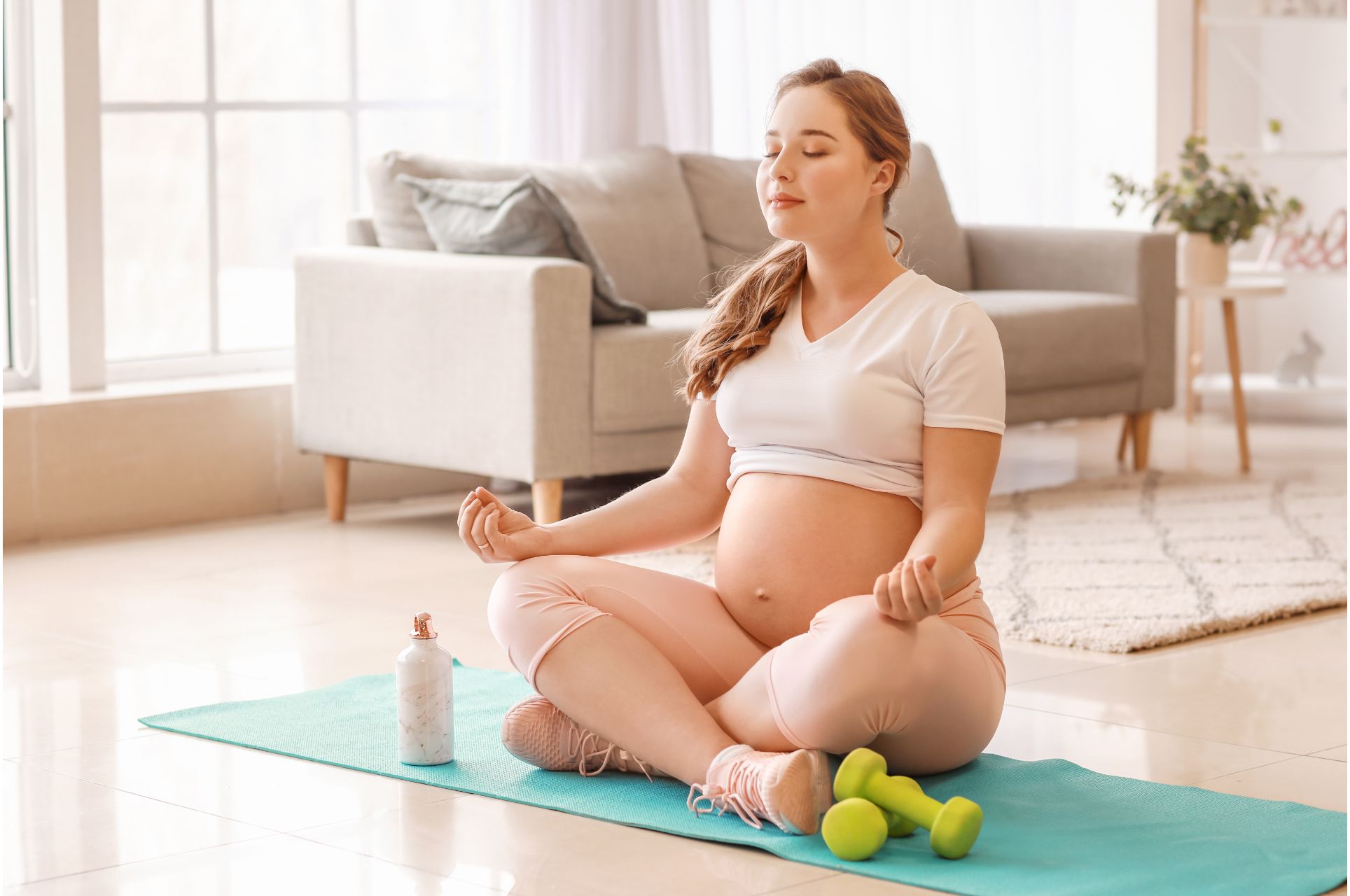
While you’re thrilled, you could feel self-conscious due to your expanding baby belly. Here are some pointers to increase your self-assurance:
1. Avoid Using A Scale
Constantly measuring yourself can worsen your weight-related self-consciousness. Resist the impulse to weigh yourself. Remove it if you’re tempted to.
Regular weigh-ins at your OB-GYN’s office will let your doctor know everything is going well; you are not required to know the exact figure except for health reasons.
2. Pay Attention To Maternity Fashion
Let’s face it, looking beautiful makes us feel good. Therefore, treat yourself to some stylish yet reasonably priced pregnant clothing.
It is better than settling on a pregnancy style that consists of old baggy trousers and old, worn-out T-shirts. Embrace both your inner fashionista and your growing baby bump.
3. Visit A Salon For Hair And Cosmetics
Along with embracing pregnancy fashion, some pampering could help you feel better.
Give yourself professional styling and flaunt your gorgeous pregnancy hair, which frequently grows thicker during this period!
4. Accept Compliments About Your Looks
It’s hard to agree with someone on what you don’t believe. But beauty is in the eyes of the beholder. So open up your mind to compliments, there are not always sympathy-based praises.
Therefore, trust those who tell you you’re beautiful, even if you don’t feel your prettiest. You could be glowing even when you are self-conscious.
And if no one compliments you, you can use positive affirmations to keep your self-esteem from plummeting.
5. Exercise
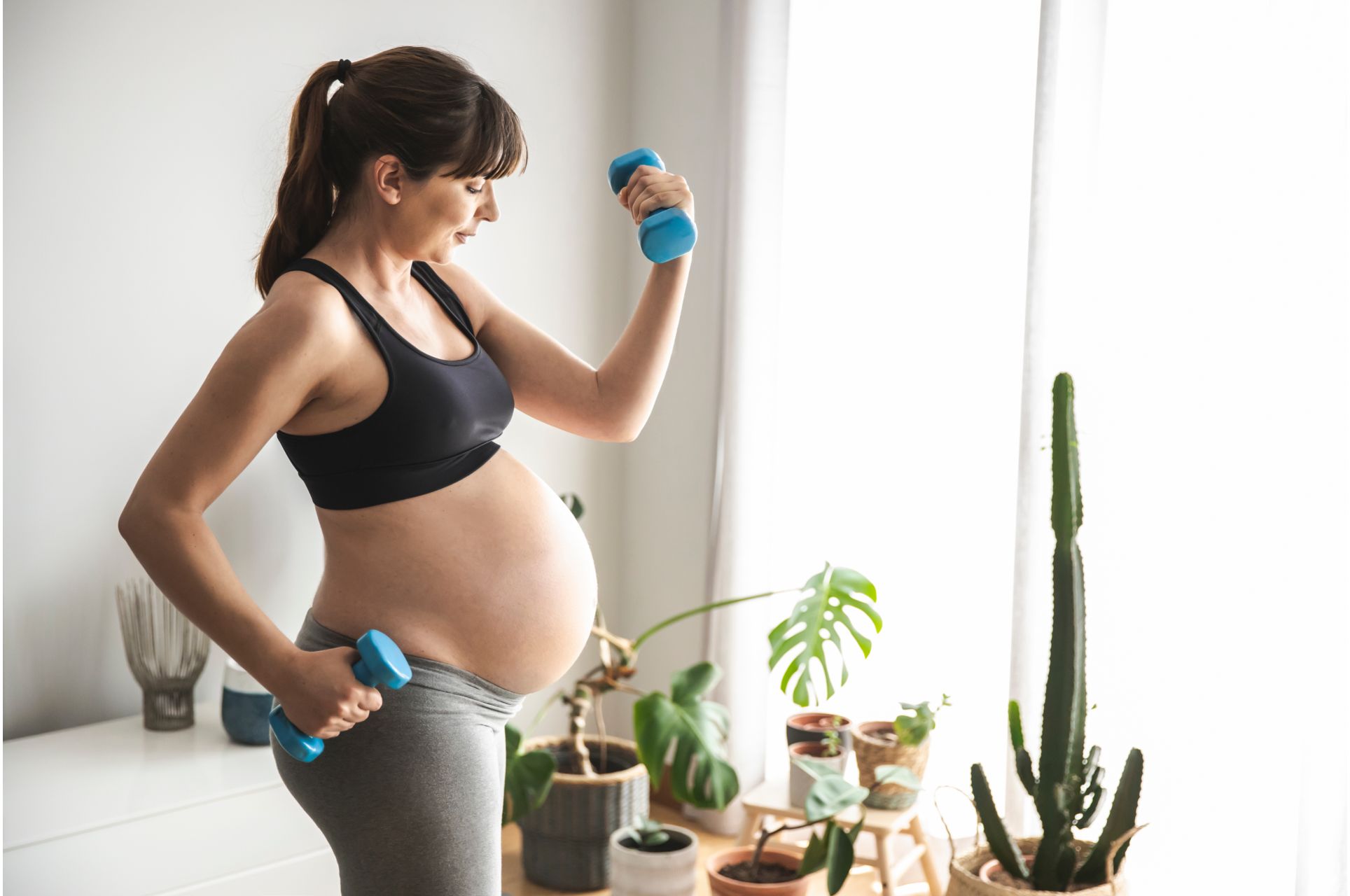
Exercise can also generate feel-good hormones called endorphins, which are an energy booster and a bloat-blaster. Your confidence will rise as a result, and you’ll feel better about how your body is changing.
Appropriate activity is suitable for you and the unborn child during pregnancy. However, not all exercises are suitable for pregnancy.
Be sure to get clearance from your midwife or doctor on suitable exercises during your pregnancy.
Now, let’s answer some frequently asked questions most first-time moms have about first pregnancy showing.
Does It Take Longer To Show With Your First Pregnancy?
Usually, most first-time moms ask does it take longer to show with your first pregnancy? It usually takes longer to show with the first pregnancy.
You may not have a baby bump in your first trimester if it’s your first pregnancy, but women who have been pregnant may start showing by the first trimester.
The first indications of a bump for a first-time mom will probably appear between weeks 12 and 16 which is a part of the second trimester.
If you are a petite woman with a smaller stomach, you might start showing closer to 12 weeks, and if you are a bigger woman, you might begin to show closer to 16 weeks.
Can You Start Showing At Eight Weeks In First Pregnancy?

For first-time moms, who are so eager to see the baby bump, you may want to know if you can start showing at eight weeks in the first pregnancy.
Sorry to burst your bubble, but you will not be showing at week eight of pregnancy. Your baby is about the size of a lemon at eight weeks pregnant; it is too little to be visible.
The majority of first pregnancies don’t manifest until approximately week 12.
However, due to the expansion of your uterus and belly muscles from prior pregnancies, you may start showing sooner for women who had previous pregnancies.
I remember showing around week 16 of my pregnancy as a first-time mom then, and I was so excited to finally see a bump after weeks of looking at my belly in the mirror.
When Will My Belly Pop In First Pregnancy?
Another question first-time moms ask is when their belly will pop in their first pregnancy. Around the 12th to the 18thweek of your pregnancy, your tummy may start to protrude.
How soon you see your baby bump may depend on your weight, height, Diastasis recti, previous pregnancies, and multiple pregnancies.
When Does A Baby Bump Grow The Most?

A very vital question most pregnant moms like to ask is when does the baby bump grow the most?
Your body goes through several changes when you’re pregnant, but significant growth occurs from the second trimester to the end of your pregnancy.
So if you are asking when you start showing with the first pregnancy, this is the time most first-time moms show. During this stage, your baby will gain weight more than seven times over.
They also grow in length. Between weeks 13 and 28, your baby grows from 6 inches and 4 ounces to about 14 inches and 4 pounds.
Between weeks 28 and 40 of your third trimester, the size and weight of your baby reach 18 to 20 inches and 7 pounds, respectively.
Do You Show Sooner If You Are Skinny?
If you are skinny, you will want to know if it takes longer to show or not. For skinny women, it will take longer before you start showing.
For example, you might not even begin to show while dressed until the seventh or eighth month. However, people who are not particularly thin but have a narrow frame and minimal body fat tend to show sooner.
When Will I Start Showing Based On Height And Weight?

First-time moms will always ask, when do you start showing with the first pregnancy? It is between 16 and 20 weeks of pregnancy.
When you start to notice your baby bulge during your pregnancy will depend on various factors like weight, height, age, etc.
So, based on weight and height, let’s see how women show. Compared to shorter women, taller women tend to have longer midsections and distribute their pregnancy weight more evenly.
Your uterus will protrude earlier if you are on the shorter side since there is less room up and down your body. Also, women with more weight show later than those with a narrow body frame and slim tummy.
It may take until the third trimester for women who are overweight or obese to develop a substantial, rounded belly.
If you are categorized as having a B belly and are heavier, your bump will not be as noticeable. A, B belly could take up until the third trimester to transform into a D tummy.
What Determines When The Baby Bump Appears?
When do you start showing with the first pregnancy? It depends on several variables. Weight, age, and the number of babies born are among others. Let’s discuss these factors.
1. The Number Of Pregnancies You Have Had
Those who have previously given birth may have a first-trimester belly pop. It is because it’s common for abdominal muscles to relax after pregnancy.
People who have already given birth frequently begin to show in the first or first part of the second trimester.
2. Your Weight
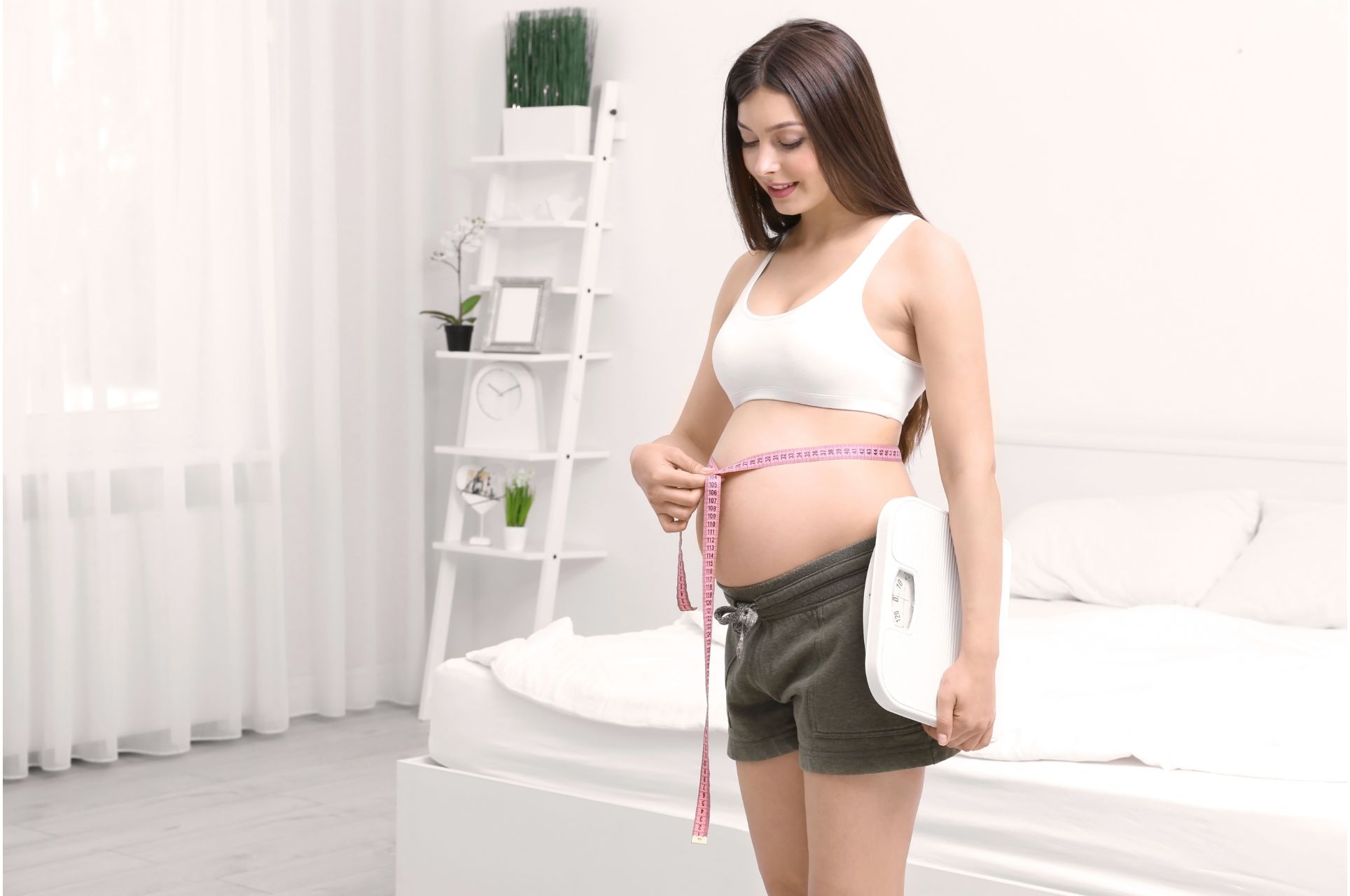
It affects when a pregnancy is detectable as well. When does increased weight around the stomach indicate pregnancy?
The belly may not grow significantly at the beginning or first part of the second trimester. However, the bulge will grow more prominent as the pregnancy goes on.
Each person carries weight differently due to their torso length it also influences how the pregnant tummy appears.
People who are heavier than average or bigger in the middle may discover that their bellies are shaped more like a B than a D. For pregnant women who are plus-size, the B-belly is typical.
Later in the pregnancy, the belly frequently takes on the more typical D shape. Ask your doctor whether there is a reason to be concerned if you are anxious about how your body is changing.
There isn’t one belly form that fits all body types and sizes, so try not to compare yourself to others.
Don’t frequently stand in front of the mirror to check your belly or look at pregnancy-related photographs online.
3. Age
The baby bump may appear early for parents in their 30s or older. Also, people with weak stomach muscles frequently manifest their pregnancy early.
4. Recti Diastasis
The muscles’ separation along the abdomen’s midline is known as recti diastasis. The abdominal muscles are pressed together during pregnancy by the expanding uterus.
The two broad bands of muscles that connect in the middle eventually separate. This is recti diastasis. Where the muscles split, there is frequently protrusion.
It is entirely typical that those who have previously given birth are more likely to develop diastasis recti. The same holds for women who have had large babies or are older than 35.
5. Bloating
Bloating is a typical symptom of the physiological changes that occur during pregnancy. Check out more symptoms of pregnancy in the post about uncommon pregnancy symptoms here.
Bloating can make the baby bump appear larger and worsen as the pregnancy progresses because the digestion rate is slower due to the baby’s additional weight and pressure.
As a result, gas builds up more slowly and is more challenging to release. The effect is typically more frequent burping and passing of gas.
Later in pregnancy, bloating brought on by gas build-up gets worse as the uterus grows and exerts more pressure on the abdominal cavity.
6. Erroneous Due Date
The anticipated due date could occasionally be off. The accuracy of ultrasounds and other procedures to determine the due date increases as the gestational period increases.
When Should I Worry About Not Showing In Pregnancy?
When do you start showing with the first pregnancy? Medics usually say it is between 12 to 16 weeks. But what if you are way past that time and you are still not showing?
The first thing to do is to consult your doctor if you are still not showing up in the third trimester.
It also applies to any time you worry about your baby or yourself. What is best for you and your child can be decided by your doctor.
Your ob-gyn or midwife will start keeping track of your baby’s growth during the second trimester by measuring your fundal height.
If there is any cause for concern, they will also perform an ultrasound to see how things are going. Babies whose gestational ages are smaller than usual will be closely watched to ensure their health.
Why Do Some Pregnant Women Show Late?
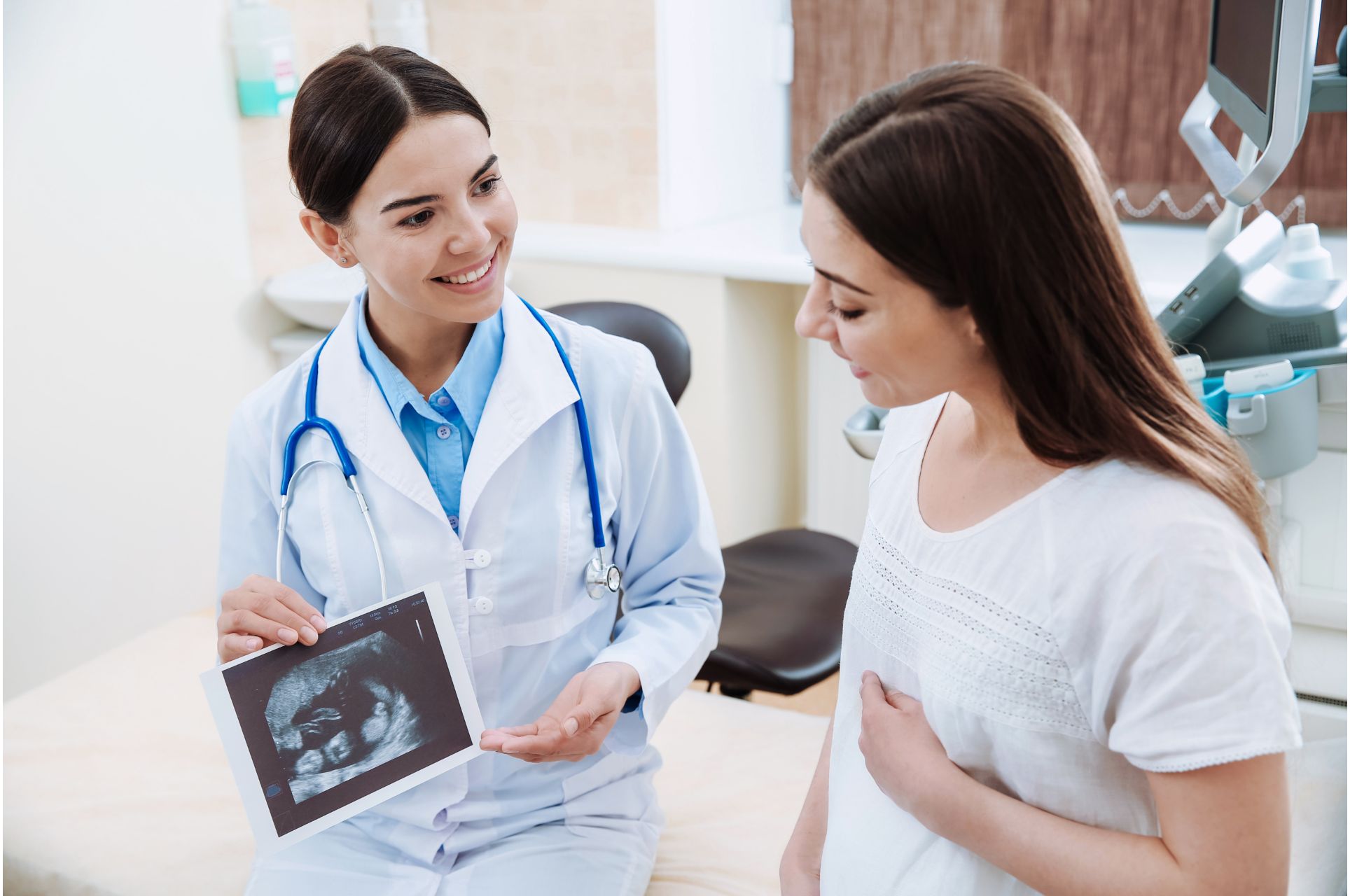
It is natural to ask why some women pregnant women show up late if they have passed their second trimester.
There are many factors that point to when you start showing with the first pregnancy, either early or late. Let’s discuss in detail, the reasons for not showing up early in pregnancy.
1. Body size
When do you start showing in pregnancy if you are plus-size? Your baby bump might not become visible until the last few weeks of your pregnancy if you are obese or have a lot of belly fat.
Some obese women may experience changes in the shape of their bellies without developing a pregnancy bump.
The belly may not grow significantly at the beginning or first part of the second trimester. However, the bump will grow more noticeable as the pregnancy goes on.
Each person carries weight differently due to their torso length. It impacts how the pregnant belly appears as well.
People who are heavier than average or heavier in the middle may discover that their bellies are shaped more like a B than a D. For pregnant women who are plus-size, the B-belly is typical.
Later in the pregnancy, the belly frequently takes on the more typical D shape. Ask your doctor whether there is a reason to be concerned if you are anxious about how you are carrying the baby.
2. Recti Diastasis
The muscles’ separation along the abdomen’s midline is known as diastasis recti. The abdominal muscles are pressed together during pregnancy by the expanding uterus.
The two broad bands of muscles that connect in the middle eventually separate. This is recti diastasis. Where the muscles split, there is frequently protrusion.
Those who have previously given birth are more likely to develop diastasis recti. The same holds for women who have had large babies or are older than 35.
So first-time moms ask when you start showing with the first pregnancy, know that you will show later than moms who have had a baby or several babies because they might have Recti diastasis.
3. Age

The baby bump may appear early for parents in their 30s or older. Also, people with weak stomach muscles frequently manifest their pregnancy early and this is typical for older women.
4. Uterine Posture
Some women have a retroverted uterus, which is inclined slightly backward toward the rectum rather than the belly.
It is normal and usually doesn’t cause any issues, although it could mean that your baby will not arrive early.
It usually tilts down during the 14th or 16th week of your pregnancy as your baby develops and prepares to give birth.
However, some persons may manifest considerably sooner due to an anteverted uterus (that is uterus which slants forward). Also, within the uterus, babies are pretty active.
They frequently move and this can alter their positions until the end of the second trimester. Babies typically prefer a head-down posture during the third trimester.
Still, they can adjust their backs from side to side or even into a posterior position (back against their mother’s back). By your baby’s position, the size and shape of your belly will change and this will affect how early you show.
5. Small Fetus Size
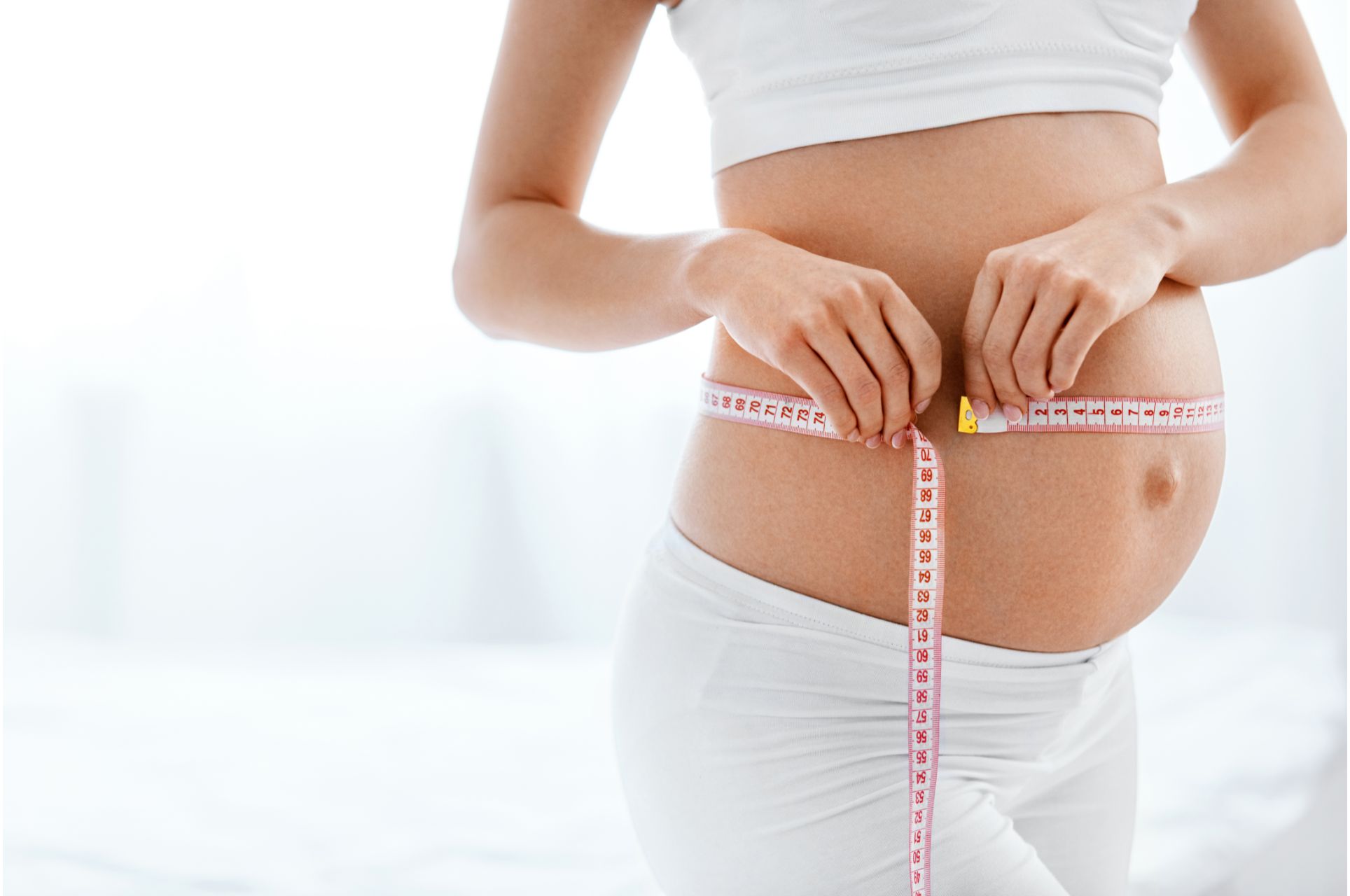
This plays a huge role in when do you start showing first pregnancy.
Babies small for gestational age can also be a sign of a tiny baby bump. Your doctor or midwife will take an abdominal measurement when you are pregnant.
The distance between your pubic bone and the top of your uterus is known as the fundal height. Your fundal height should be within two millimeters of your pregnancy week at 24 weeks.
Your doctor might declare your baby undersized for gestational age if your fundal size is low. You might experience this if you’re skinny and underweight.
Small fundal height may also indicate that your child is experiencing growth issues. It could occur if you don’t put on enough weight when pregnant.
Intrauterine growth limitation is a disorder that other problems, such as: can also bring on
1. Chromosome issues
2. Placenta issues
3. Illness while you are pregnant
4. Having twins or more than one child
6. Individual Differences
Another key factor that affects when do you start showing with first pregnancy is individual differences. During pregnancy, your body undergoes many changes.
Although some alterations are typical, every person’s body is unique. For example, someone else might take longer while you deliver sooner.
Someone else might not have stretch marks while you do. Speak with your maternity doctor if you have concerns about your physical well-being.
7. Height
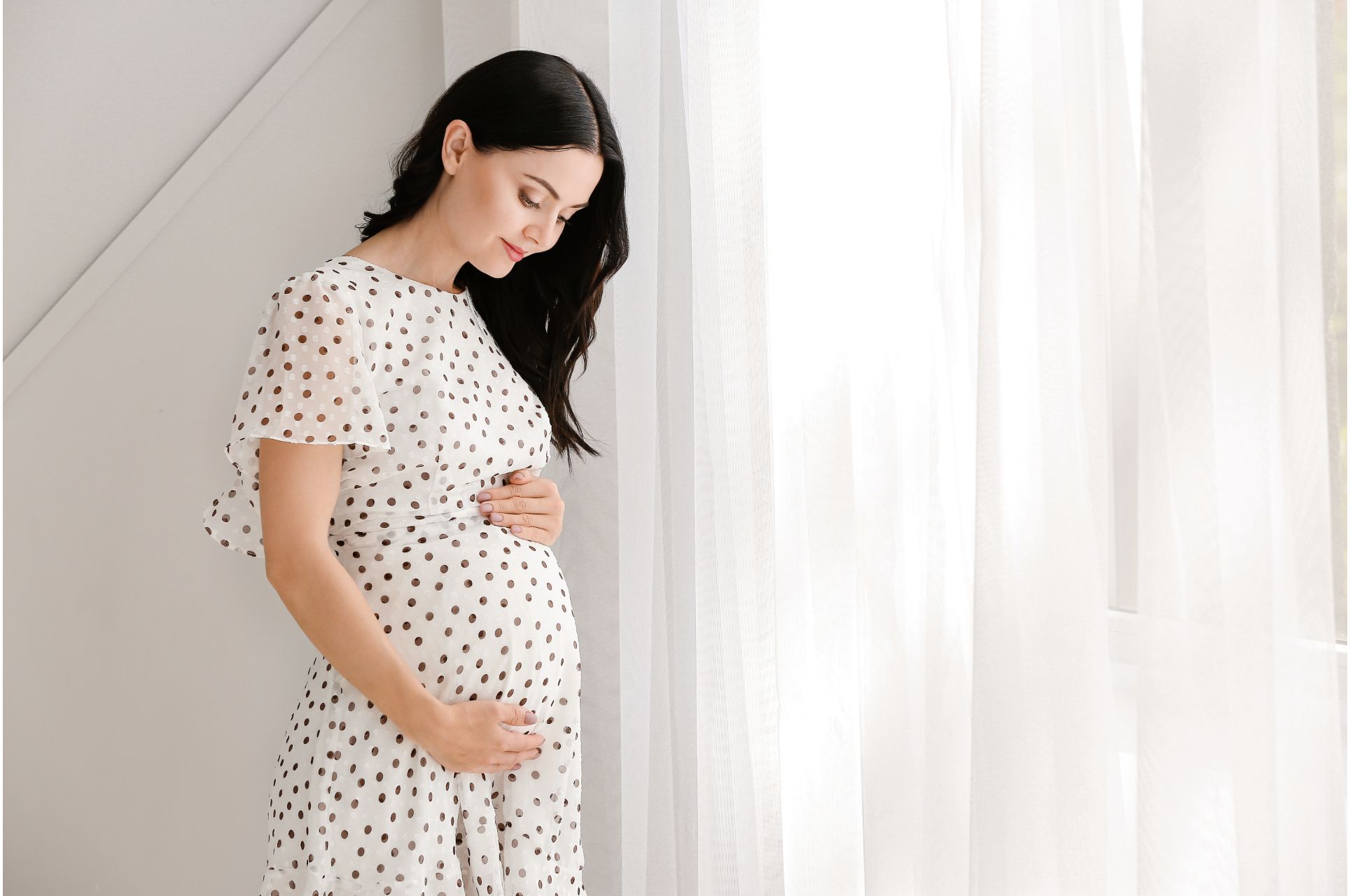
Tall women or those with long torsos may appear to have smaller bumps because they have more longitudinal areas for the baby to occupy.
If you are tall, your baby has much room to grow because you have a long abdomen. Instead of expanding outward, your uterus will often develop upward, and your belly will appear smaller.
A shorter lady will have less room between her hip and her lowest rib. Because there won’t be as much room for the baby to grow upwards, your uterus will expand outwards.
It will make your bulge appear larger and manifest earlier.
8. Amount Of Amniotic Fluid
Your baby’s surrounding fluid content may change and it affects when you start showing with first pregnancy.
Although having too much or too little amniotic fluid can indicate issues, it’s typical for the levels to fluctuate every hour or two.
Most amniotic fluids produced in the first 20 weeks are made from your bodily fluids. However, your baby makes more amniotic fluid in the later stages of pregnancy, primarily through lung secretions and urine output.
Therefore, if you are wondering when you start showing with your first pregnancy, know that your belly may change in size or form depending on your pregnancy age and the amount of amniotic fluid produced.
If they are any tips and hacks you’d like to try, check out the article about pregnancy tips and tricks for more hacks to try out during pregnancy here.
Conclusion
Those first-time mommas asking when do start showing with first pregnancy? Now you know when you will finally get to see a baby bump. I know you are eager and can’t wait.
If you haven’t seen a baby bump yet, how about you start shopping for gorgeous clothes that would help you rock your pregnancy bump when it is finally obvious?
Save this for later momma!
