

Whether it is your first or fourth baby, adequate preparation is vital for you to have a successful pregnancy, delivery and take care of the child afterward. If you are an expectant mom or a trying to conceive mom, you may want to read the answers to these questions below.
When Should I Start Preparing For A Baby?

Even before you have a baby, as long as you and your partner desire to have a child, you both should start preparing for a baby. You do not have to wait till you are pregnant or have a child before doing so.
The earlier you start saving, having parenting goals, learning about pregnancy, how to raise a child, and other essentials for a child, the better it would be to raise a well-rounded child.
What Baby Stuff Should I Buy First?
The basic and essential baby stuff to buy for a baby are: long and short onesies in different sizes, caps, scratch mittens, a crib, medications ( a thermometer, first aid kit), baby socks, breast pump, approved car seats, shoes, formula, and formula bottle if you intend to use formula, brushes, a sterilizer, cups, spoons, plates, flask, breastfeeding pillows, baby bed, bedsheets, toys.
How Do I Prepare For My First Baby?

Being your first experience, you will need many tips, clues, ideas to make the whole process easier. To prepare, you to need a lot of research.
Research as much as possible, read books, Google out materials, ask questions from other parents, watch videos about pregnancy and childbirth.
Next is to register early so that you can establish care with a doctor as early as possible.
Check that your finances are in order, if not, you may need an extra source of income to be stable financially. Registering for a maternity class is a must-do, for they will teach you the basics of pregnancy, labor, after delivery, and childcare.
Down below, I’ll be discussing more tips on how to prepare for a baby. Read on.
1. Prepare Mentally

The news of a baby comes with a lot of mixed feelings. Excitement, uncertainty, anxiety, joy, even fear. And all these can be overwhelming, especially if you are a new mom.
You may ask yourself, am I fit to do this? Am I really ready? Do I have what it takes to be a good parent? These were some of the thoughts that overwhelmed me then.
Nobody comes with a blueprint or a manual on how to raise a child, but we have to do something. Luckily we have these maternal instincts that seem to direct us on what best to do.
If you are not in the right state mentally, you will not be able to raise a child in the right atmosphere successfully. Once you find out you’re pregnant, start trying to get the grasps of what that means.
Having a child is a lot of responsibility that you need to be ready for. You will have to make lots of sacrifices, sometimes you’ll be exhausted and so stressed out.
You have a lot of financial responsibilities for providing the child’s feeding, clothing, education, and other necessities. You will need to create time to guide and nurture your little one, giving the necessary love and attention.
If you are not ready to learn, if you don’t feel that having a child is a lot of responsibility, you may find it difficult to adjust in the first few years of life.
Research to understand pregnancy and what it entails, learn about the early signs of pregnancy to watch out for, the 4 stages of labor, breastfeeding, coping after delivery, et cetera.
You also want to learn about the different stages of growth in a baby and what to expect in those stages. Learn how to raise a child, dealing with toddler’s tantrums, weaning, and potty training.
It may seem like a whole lot, and in truth, it is, but you do not need to be overwhelmed; you won’t have to learn them all at once; before you get to any stage, you could learn what is appropriate.
Prepare your mind that the new addition is going to change you inside out. Now is time to learn how to organize your home, cultivate morning routines, how to deal with mom stress, et cetera.
Rub minds with other parents to get tips that worked for them during pregnancy and as a parent. Read books and other resource materials; these are ways on how to prepare for a baby.
Be aware that parenting is a big deal that you should be intentional about, and with adequate preparation and adequate knowledge, you would be ready.
2. Find The Right Doctors
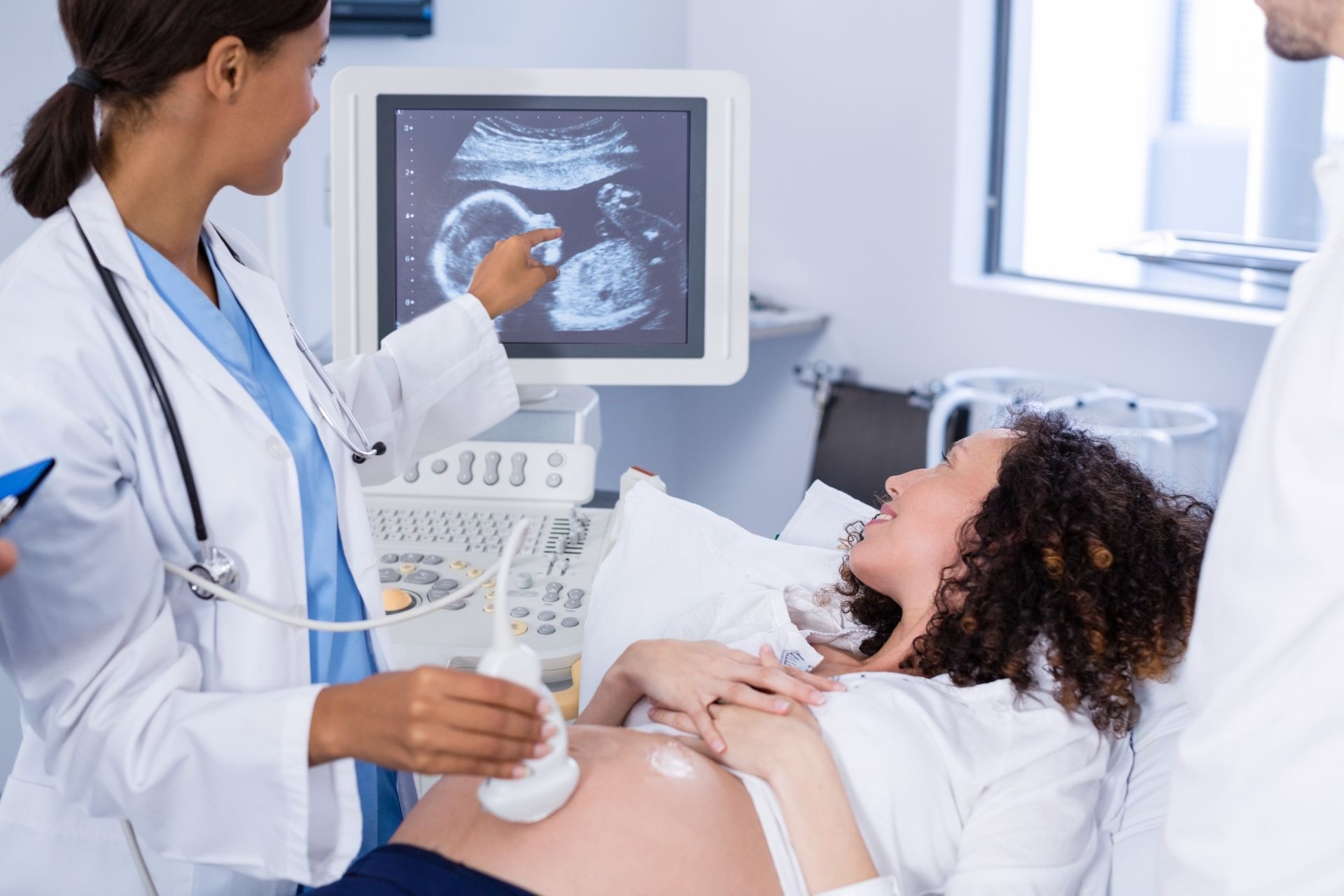
When you have confirmed that you are pregnant, you should find the right doctors so that you can start maternity care as soon as possible.
Sometimes, women do not see the urgency in doing this, so they delay until a few months after receiving the big news, but there is no need for that.
Establishing care with a doctor, preferably an OBGYN is very important throughout pregnancy because some pregnancies are high risk with a lot of complications.
One will also need to be able to detect early if there are any malformations or congenital disorders; also some women’s first trimester is though because of the morning sickness, the doctor could give medications to help during this.
When you visit with the doctor, you will be examined and asked the last date of your menstrual cycle. You will also do a scan to check the condition of the baby, plus you would get some tips on some things to avoid during pregnancy and, of course, prenatal vitamins.
The doctor would monitor you throughout pregnancy. You should also look for a suitable pediatrician as you get closer to your due date, for you would need one once your baby is born to monitor the child throughout childhood.
Getting the right doctors to suit your needs isn’t always easy. You could ask around from friends or family for recommendations or make research. For any doctor you find, ensure that they would be able to accept your schedule, insurance, and the amount you can pay for their services.
3. Register At A Birth Class

A birth class is invaluable for a first-time mom as you may never have had an experience of caring for a baby before, so it is vital must do how to prepare for a baby as a first-time mom.
Even if you have previously had kids, you may still want to take a birth class as a refresher course. There are several birth classes out there, and they fill up so fast, so registering early is always better.
In a birth class, you would get information’s basically about pregnancy and childbirth and after.
Things like managing pregnancy symptoms, how to have a belly-only pregnancy, breastfeeding techniques, and how to care for a newborn (feeding, bathing the baby putting clothes on the baby) are all taught in a birth class.
They also give tips to cope after childbirth, caring for the body after birth, signs that labor is approaching the different stages of labour.
Birth classes are usually fun and exciting as you can ask any question bothering you, you share ideas with pregnant women, you learn from other women’s experiences, engage in teamwork (sometimes you will be giving projects and expected to work on as a team), health tips and many more.
I always looked forward to my class days because they were always fun and interesting. Your partner should also be involved as he gets to learn those things you are learning, and he will help you better after childbirth.
4. Prepare Financially

Pregnancy delivery and after involves a lot of financial expenses, something you do not want to take lightly. The moment you find out you are pregnant, you start making expenses and it goes on and on till the child is of age.
To prepare for a child, you need a financial structure in place. As soon as possible, register for health insurance. You can get one from your workplace, church groups, business association, etc.
A health insurance policy will significantly reduce the costs you’ll be spending to care for your kids for pregnancy, childbirth, and after.
The next thing you want to do to prepare financially for a baby is to find out the prenatal services needed during pregnancy and labor, scout around for the right people who offer them, and most importantly, the cost involved.
Ask around for doulas and their costs, take hospital tours to compare prices and services. Take advantage of financial aid programs. A couple of them are offered in the US, like special supplemental nutrition programs, for women, infants, and children.
You can also apply for family leave. Ask friends and family about the different health cost options to try out. They can offer advice to help you get an excellent financial structure and financial security for your baby’s health.
You also want to start considering saving money for delivery and afterward. Find smart ways to reduce cost and save money; make a plan to put something away every month, reduce the cost of baby things by buying fairly used baby gear. Things like toys, clothes, shoes, cot. Can be washed and reused.
Though you must ensure they are not old and frayed and according to safety standards.
You may not buy maternity clothes as they are quite pricey; shift dresses, free gowns sewn with stretchy material, large tops paired with belly bands, and trousers can be worn to replace maternity clothes.
You and your partner should make a budget and get an estimate of what you will be spending throughout pregnancy and after delivery.
Check your finances to know how much you have and realistically ask yourself what you can and cannot afford. Other ways to prepare for a baby financially is to get life or disability insurance, write a will, make a saving plan, etc.
5. Share The Good News

Your baby will be welcomed in a home with a family, immediate and extended, so you must let those other members of the family know about the good news.
If you have other kids, find ways to tell them that a new brother or sister is on the way and they will be a Big Brother or a big sister soon.
Make the talk exciting so that they can feel excited too. Allow them to touch the baby bump and feel it as the baby moves.
Also, give them a picture of how it would be when the baby arrives. Let them know that babies cry, sleep, eat a lot, and they get so much attention because they are still very tender.
Also, explain to them that they may not be allowed to carry the baby at this stage till he or she is bigger. Inform your parents and your partner’s, siblings, aunts, uncles cousins.
You may do so on an important occasion or via call or anything that works for you. If you may need your family’s assistance, especially during birth, informing them early is necessary.
6. Prepare Your Home

The home should be a haven for the newborn, and the sixth tip on how to prepare for a baby is to prepare the home.
As soon as you are up to it, declutter any unwanted stuff from the home. Old books, clothes, electronics could be given out or trashed if they are no longer needed.
Store those stuff that you do not always use in the attic. Clear your home the surrounding. Plan and decorate a nursery room where you and the baby will stay after birth.
Mop, clean, paint, fix in the baby gear. Having a theme for the nursery is usually fantastic. There are tons of ideas you can get from the Internet. Do a thorough cleaning, especially in those areas you do not clean regularly.
You should also think of baby-proofing the home at this time if you haven’t done so. Window guards, smoke detectors, non-slip tiles in the bathroom, safety locks in drawers and cabinets can be fixed.
Remove glass objects, especially in those places that kids can easily reach. Wash bed sheets, baby clothing, bedding, towels, curtains, window pans and any other thing that need to be cleaned.
Cook up a storm a few weeks before delivery and freeze the foods. You will have a lot of visitors and you won’t be able to always get up to cook.
7. Shop For Essentials

Before the baby arrives another essential thing to do when planning how to prepare for a baby is shopping. You will need a lot of things for your baby, for you, the mother,and the home.
For the baby gets the essential stuff like socks, wash clothes, swaddle wraps, caps, shirts and trousers or gowns, diapers (disposable and reusable), Cot, federally approved car seats, towels, bibs, wipes, brushes for bottles, breast pump, baby lotions, shampoo et cetera.
For the mother, you need breastfeeding bras and breastfeeding tops, breastfeeding, pillows, breastfeeding snacks, comfortable clothes, soft cotton panties, pads, hot water bottles etc.
For the home, you will need lots of food items. The first things to shop for are non-perishable items like flour, rice, pasta, oil, milk, beans, tomato paste et cetera.
Perishable food items should include fish, meat, cheese, butter, vegetables, tea, puree, juice, soft drinks, fruits etc.
For the home, all that essential stuff for the home include washing powder, liquid soap, paper towels, brushes, sponges, tissues, bar soap, general medications and any miscellaneous.
All the non-perishables, the things for the baby and the mother can be bought earlier in pregnancy, and close to your due date, you can shop for the perishable items.
8. Prepare The Hospital Bags

Once your due date is near, you should start putting in the essential items for your baby, for you and anyone who goes to the hospital in different bags for you will need these bags for delivery and after (that is if you do not plan a home birth). You mustn’t miss the essentials from the hospital bag when you pack.
I have written a detailed post on the most important things you need to have in your hospital bag do endeavor to check it out so you do not miss out on any essentials as you go to the hospital.
Some standard essentials in hospital bags are: for the baby: two to six baby onesies, shirt, and trousers or dress depending on the gender of the baby, caps, socks, diapers, swaddle wraps, formula, and formula bottles if you are not doing exclusive breastfeeding.
For the mother things to pack include pads, panties comfortable clothes, soap, pastes, towels, sweater, some snacks and drinks, light entertainment, makeup and essential documents like your birth plan, drivers license.
During your hospital tour, it is important to ask what the hospital would provide so you do not overpack. Note that whoever will be staying with you at the hospital would also need a bag ready.
A week before your due date you can check to see how you did not miss anything in the bags.
9. Prepare As A Couple

You and your partner were responsible for bringing the child into this world, so you both would need to work hand in hand while preparing for the baby.
Most times, couples assume that they know the roles to play to take care of a child but only end up with hitches when the child is born because there was inadequate preparation.
Both parties should plan to do the following together while preparing for a child: read about childcare, the roles, and the responsibilities and discuss how they can do this with their baby, attend birth classes, prepare the home, save together, go shopping, discuss the finance discuss the new responsibilities and how to adequately handle it.
Talk about the plans you would have for the child, the values or the morals they intend to imbibe, the ways to disciplining at home et cetera. This is a vital must-do if you are learning how to prepare for a baby it may seem you don’t need it in for now, but before long your baby would be grown, then you will find it hard to raise your child.
10. Take Care Of Your Health

For you to be well able to have your baby and take care of your baby you need to be healthy yourself so do everything possible to maintain a healthy lifestyle.
Try as much as possible to eat the right healthy meals, avoid too many junks and sweets, take fruits and vegetables, exercise avoid unhealthy habits like smoking, eating too late, stressful living, have a negative mindset, and surround yourself with positive people.
If you miss out on the important things to do while preparing for a child, years after you will be faced with a lot of hitches as a parent, learn these 10 tips on how to prepare for a baby touch on those important areas that will make the first start at parenting easier.
Save this for later mama!
